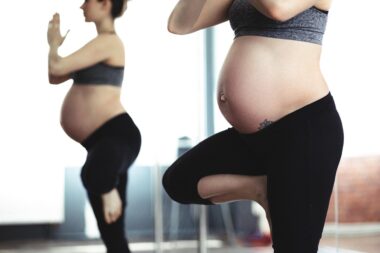

Nutrition Tips to Support Strength Training for Pregnant Women
Strength training during pregnancy can be greatly enhanced by focusing on proper nutrition. Pregnant women need a well-balanced diet to provide the necessary energy and nutrients for both themselves and their developing baby. It’s essential to consume adequate protein, as it contributes to muscle growth and repair. Incorporating lean meats, dairy, legumes, and nuts into daily meals can ensure sufficient protein intake. Additionally, staying hydrated is crucial; water carries nutrients and helps maintain overall body function. Pregnant women should aim to drink at least eight to ten cups of water per day, adjusting as needed during exercise. Regularly consuming fruits and vegetables can supply vital vitamins and minerals, promoting overall health. Foods rich in calcium, such as yogurt and leafy greens, can help support changing bodies. Consulting a healthcare professional or a registered dietitian can also provide personalized meal plans and guidance. Remember, every pregnancy is unique; listening to one’s body and adjusting dietary needs accordingly is important. Overall, nutrition significantly plays a role in the ability to maintain an active lifestyle and engage in strength training during pregnancy.
Another vital aspect of nutrition for pregnant women involved in strength training is the understanding of healthy fats. Incorporating healthy fats into the diet can provide sustainable energy. Foods like avocados, olive oil, and fatty fish support brain development in a fetus as well. Pregnant women should aim for omega-3 fatty acids found in fish, which have numerous health benefits. It’s essential to balance these with sufficient carbohydrates, which serve as the body’s primary energy source. Opt for whole grains, such as brown rice, quinoa, and whole-grain bread, to provide sustained energy for workouts. Snacks are also important; choosing nutrient-dense options can keep energy levels stable throughout the day. Energy-dense snacks include nut butter with whole grain crackers or fruit smoothies packed with spinach and Greek yogurt. Monitoring portion sizes is also crucial, as too much or too little can affect energy levels and overall health. Even while focusing on training, enjoying delicious food should always be an integral part of this journey. Listening to cravings and intuitively eating can also make the journey more enjoyable and fulfilling.
Timing and Frequency of Meals
The timing and frequency of meals matter significantly during pregnancy, especially when strength training is involved. Eating smaller, more frequent meals can lead to better digestion and sustained energy levels. Instead of consuming three large meals, consider splitting them into five to six smaller meals. This approach can help manage hunger and ensure that both mother and baby receive consistent nutrition. Pre-workout meals should be timed well, generally two to three hours before training to allow for digestion. Foods that are high in carbohydrates and moderate in protein are great options. After workouts, especially strength training sessions, it’s crucial to replenish energy stores and provide the body with nutrients to recover. Consuming a post-workout snack within 45 minutes can maximize recovery. A great combination involves protein-rich options along with carbs, such as a smoothie or yogurt with fruit. This timing aids in muscle repair and helps energize the body for the rest of the day. Lastly, maintaining a food journal can help track what works best regarding nutrition timing and daily energy levels.
Another crucial aspect of nutrition during pregnancy involves paying attention to micronutrients. Key vitamins and minerals play myriad roles in supporting both the mother and baby; for instance, folic acid is crucial to neural tube development. Expectant mothers should ensure a sufficient intake of iron, which is vital for blood production and can help prevent anemia. Sources like spinach, lean meats, and lentils are excellent for iron. Calcium is also critical for ensuring the baby’s skeletal development. Dairy products, fortified non-dairy milks, and figs can be good sources. Moreover, vitamin D helps with calcium absorption, and outdoor exposure is an awesome way to gain it—just remember to protect the skin! Notably, prenatal vitamins are beneficial but shouldn’t be the sole source of these nutrients. Eating a colorful and varied diet can always yield optimal results. Furthermore, attentive monitoring during pregnancy can spot any nutrient deficiencies early on, allowing for timely adjustments. Such actions contribute significantly to a well-rounded approach, supporting fitness goals alongside the health of the unborn child, contributing to an overall joyful pregnancy experience.
Addressing Common Concerns
When pregnant women engage in strength training, common concerns about nutrition arise, such as weight gain, energy levels, and dietary restrictions. Addressing these concerns is essential for a healthy pregnancy and successful strength training experience. Many women worry about excessive weight gain, leading them to restrict calories, which can be detrimental. Instead, focus on consuming quality foods that offer essential nutrients rather than obsessing over weight. Maintaining balance is critical; it’s about nourishing the body rather than limiting it. To effectively manage energy levels, women should prioritize complex carbohydrates and healthy fats. Staying mindful during workouts helps prevent fatigue, promoting optimal performance and enjoyment. Furthermore, dietary restrictions can vary, especially with specific food cravings. It allows for exploration of new foods and flavors, keeping meals interesting. Maintaining flexibility also ensures that the body receives a variety of nutrients. Consulting medical professionals can assure safe dietary choices, especially for food intolerances or allergies. Pregnant women should feel empowered to continue strength training while nourishing themselves positively and healthily throughout their pregnancy journey.
Lastly, prenatal nutrition and strength training should include consideration of postpartum recovery. Understanding that nutrition doesn’t end at delivery is vital for continuing health and physical fitness post-birth. The recovery phase can be influenced significantly by nutritional choices made during pregnancy. Consuming well-balanced meals rich in protein, healthy fats, and whole grains can provide the necessary strength to recover effectively. Moreover, hydration continues to be paramount, especially during breastfeeding, as it supports milk production and replenishes lost fluids. Including iron-rich foods can aid recovery from childbirth, as blood loss is common during the process. Supporting both mental and physical health through balanced meals while prioritizing self-care is essential. A support system allowing mothers time for healthy eating choices can also contribute. Preparing meals in advance or having ready-to-eat healthy snacks can aid in managing busy postpartum days. Overall, nutrition during pregnancy sets the stage not just for strength training but also helps moms feel empowered, ready, and up for this beautiful journey. Awareness and mindfulness can translate into lifelong healthy habits, positively influencing mothers and their babies.
Final Thoughts on Nutrition and Strength Training
As we wrap up our discussion on nutrition tips for pregnant women engaged in strength training, remember that every woman’s journey is unique. It’s important to listen to your body and adjust nutritional needs based on individual circumstances. Engage in open discussions with healthcare professionals, who can provide tailored advice suited to each stage of pregnancy. Emphasizing balanced diets complemented by regular exercise contributes significantly to overall wellbeing. Seek to cultivate healthy habits that will remain beneficial long after delivery, enriching both mother and child’s life. Additionally, finding community support among fellow expectant mothers can offer encouragement and share experiences. Online forums, local classes, or support groups can provide motivation, allowing women to keep progressing amidst challenges. Each step taken towards prioritizing nutrition enhances the quality of life during pregnancy, setting a positive tone for the upcoming chapters ahead. Overall, it can create an atmosphere where fitness, nutrition, and motherhood converge harmoniously. Wishing all mothers-to-be an enjoyable and empowering journey as they navigate these important transitions in life.
By embracing nutritious foods and understanding that nourishing the body is vital, pregnant women will thrive in their strength training routines. Emphasizing self-care and nutrition allows for a fulfilling pregnancy while maintaining fitness. Remember that establishing lasting habits can positively influence both physical and emotional well-being during and after pregnancy. No matter the journey, women must honor their bodies and follow what feels best for them.