
Myth Busting: Protein Deficiency on a Vegan Diet
Many people believe that adopting a vegan diet inevitably leads to protein deficiency. However, this claim is largely unfounded. Numerous plant-based foods offer ample protein to meet daily needs. Beans, lentils, tofu, and various seeds all serve as excellent protein sources. For instance, a cup of cooked lentils can provide around 18 grams of protein while a 100-gram serving of tofu offers approximately 8 grams. To ensure a balanced protein intake, it’s essential to incorporate a variety of protein-rich foods into your meals. Additionally, combining different plant proteins can help achieve a complete amino acid profile. For example, pairing rice with beans enhances protein quality. Misunderstanding protein deficiency can lead to unnecessary dietary restrictions that can harm overall health. It’s crucial for individuals on a vegan diet to educate themselves about adequate protein sources. Many studies have shown that vegans can meet their protein needs without consuming animal products. Ultimately, awareness and preparation are key components for thriving on a vegan diet, along with regular consultations with nutrition experts, if necessary, to promote a healthy lifestyle while alleviating any concerns about protein insufficiency.
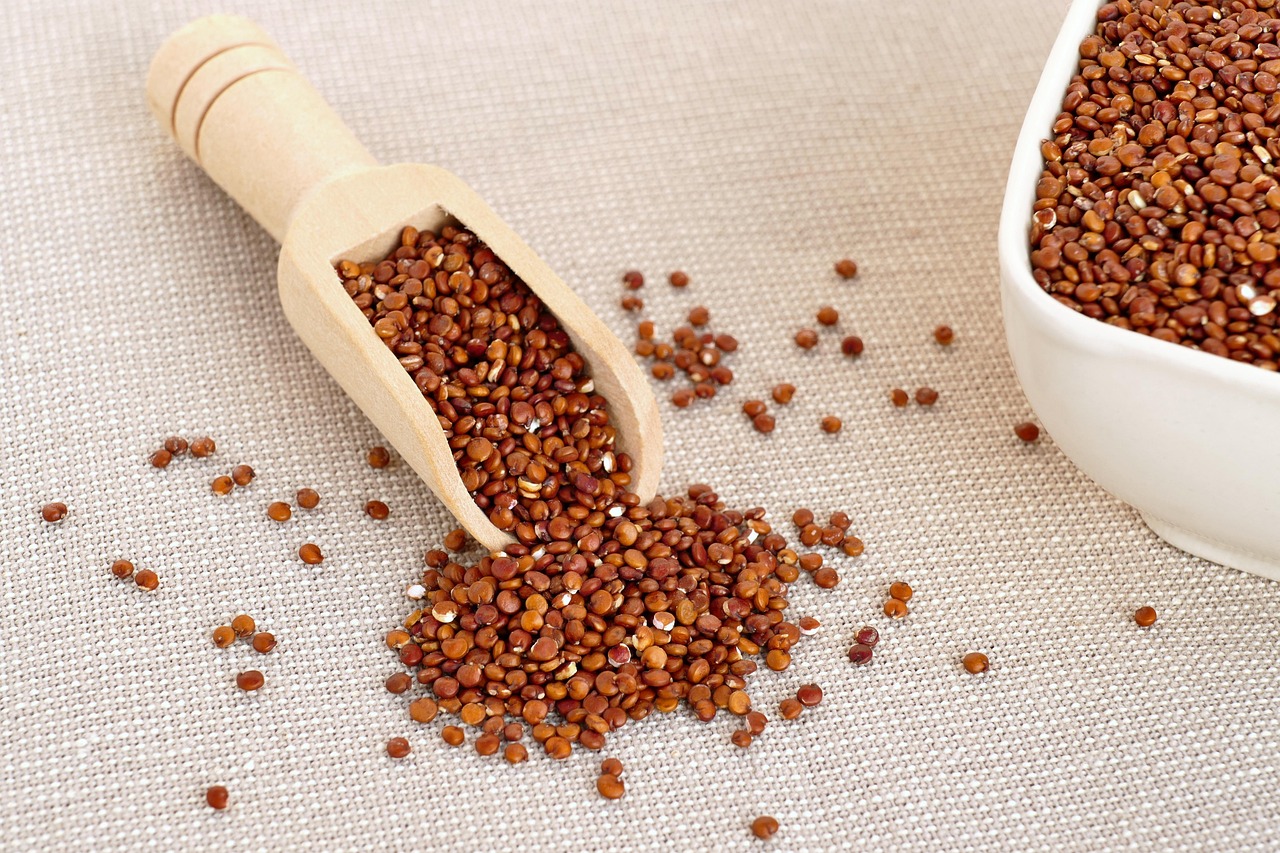
In addressing the myth of protein deficiency, it’s necessary to speak about protein quality versus quantity. Vegan protein sources can provide not only sufficient amounts of protein, but also essential vitamins, minerals, and fiber. For instance, quinoa and soy products stand out due to their high-quality protein profiles. Quinoa is a complete protein, containing all nine essential amino acids, making it an excellent choice for vegans. To capitalize on the health benefits of a vegan diet, one should focus on incorporating various sources of protein to benefit from diverse nutrients. Keeping a balanced diet ensures optimal health and reduces any potential for nutritional deficiencies. Diverse choices include chickpeas, hemp seeds, and nutritional yeast, which add flavor and protein content to meals. Also, incorporating vitamin-rich vegetables can help boost your intake. Consuming nuts and seeds can provide both healthy fats and quality protein. It’s essential to be mindful of the nutritional composition of food rather than fixating solely on protein grams. With the right planning, vegans can achieve their health goals without fear of deprivation. Additionally, regular health checks can assist in confirming that the nutritional needs are being met effectively.
Exploring Various Vegan Protein Sources
When considering vegan protein sources, diversity is the key to success. Various beans like black, kidney, and navy beans provide unique tastes and protein levels. For example, a single cup of cooked black beans contains about 15 grams of protein. Similarly, lentils, whether red, green, or brown, are fantastic sources offering extensive nutrients and approximately 18 grams of protein per cup. Tempeh emerges as another versatile option, made from fermented soy, providing approximately 19 grams per 100 grams. Incorporating these foods into meals boosts overall protein intake substantially. Moreover, nut butters like peanut or almond butter can further enhance protein content while adding rich flavors. Moreover, protein powders derived from peas, hemp, or brown rice can be mixed into smoothies or baked goods for added protein. Furthermore, vegan protein bars are becoming popular, providing a convenient way to satisfy protein needs on-the-go. It’s crucial, however, to read labels carefully to avoid excessive added sugars or unwanted ingredients. Overall, recognizing the variety of protein sources available helps to dispel the concerns surrounding protein deficiency within a vegan framework.
Another vital aspect of a vegan diet is understanding the importance of nutrient timing. This principle emphasizes when to consume specific foods to optimize protein absorption. Consuming protein-rich meals throughout the day rather than concentrating intake into one meal can enhance muscle protein synthesis. Involving protein in snacks or smaller meals can maximize benefits and ensure steady energy levels. Furthermore, athletes or individuals with higher activity levels should pay attention to their protein needs and consider incorporating protein-rich snacks both pre- and post-workout. This will provide the necessary amino acids to support muscle recovery and growth. For instance, consuming a smoothie packed with spinach, banana, and plant-based protein powder after a workout can boost recovery effectively. Tracking daily protein consumption can also help vegans ensure they are meeting their adequate requirements. Aiming for a wide range of protein sources through meals can keep things interesting and flavorful. Finally, including cooked or raw vegetables alongside these meals assures proper nutrient absorption. Making informed choices about meal preparation can enhance nutritional value significantly while supporting healthy dietary habits.
The Role of Supplements in a Vegan Diet
Some individuals on vegan diets might contemplate including supplements in their nutrition regimen. Supplements can provide an assurance to achieve adequate protein intake when full meals may not suffice. Protein powders made from plants, like pea or brown rice protein, can be advantageous for people who require additional protein help. It’s essential to read product labels and select high-quality supplements to maximize benefits. For some, vitamin B12 supplementation becomes a necessity, as this vitamin is primarily found in animal products. Adequate B12 levels are essential for maintaining energy and overall health. Additionally, other vitamins and minerals such as Omega-3 fatty acids, iron, and calcium should also be monitored. Consuming fortified foods or whole-food sources can contribute significantly to these nutritional needs. Even though supplements might help fill gaps, focusing first and foremost on whole foods and a well-rounded diet remains vital. Engaging a registered dietitian can offer personalized guidance regarding supplement needs. Ultimately, a balanced approach towards diet and supplementation can ensure that protein needs are fulfilled adequately without compromising health or wellness.
It is also essential to overcome common misconceptions about protein intake and weight management for vegans. Many individuals equate high protein intake with weight gain, assuming that consuming protein leads to excess caloric intake. However, when managed appropriately, vegan diets can support weight loss or maintenance while still meeting protein needs. Studies suggest that high-protein diets can help regulate appetite and promote a feeling of satiety. The key advantage comes from fiber-rich plant protein foods that bulk up solutions, making one feel fuller for longer periods. Involving beans, lentils, and whole grains in meals can support these goals by preventing rapid hunger pangs. Combining plant proteins with healthy fats can extend satiety while working toward energy balance. Moreover, being mindful of caloric intake and making smart choices can maximize the effectiveness of a vegan diet for weight management. Ultimately, successful outcomes involve aligning macronutrient ratios with personal weight goals while focusing on overall health. Consequently, understanding the relation between protein intake and energy balance is key to achieving desired outcomes within a vegan framework.
Conclusion: Embracing a Vegan Diet
In conclusion, debunking the myths surrounding protein deficiency on a vegan diet highlights the options available. A well-planned vegan diet can provide sufficient protein and essential nutrients necessary for optimal health. By incorporating a variety of protein-rich foods, individuals can meet their needs without concern. Education plays a critical role in changing perceptions toward vegan diets. Rather than fearing protein deficiency, focusing on the abundance of options reinforces the importance of meal planning and dietary diversity. Understanding portion sizes and nutritional value helps to form well-rounded meals that satisfy dietary limitations and goals. Additionally, engaging with communities or resources can support individuals in navigating challenges. As more people turn to plant-based diets, awareness about the benefits continues to grow. Overall, embracing a vegan lifestyle should be seen as an opportunity for culinary creativity and health improvement, rather than a source of fear. With the right knowledge, individuals can thrive on a vegan diet while enjoying a plethora of delicious food options that contribute to their wellness journey.
Advocating for a supportive environment enables individuals to embrace changes more sustainably. This means that seeking out local vegan groups or discussion forums can provide valuable insights and shared experiences. Learning from others’ success stories can motivate and inspire those who are new to the vegan lifestyle. Recipes shared amongst peers can open new culinary avenues, making the journey enjoyable. With the advent of technology, connecting with nutritionists familiar with vegan practices can yield immense benefits in maintaining a balanced diet. Those who often share nutritional tips or creative meal ideas may find new ways to enjoy their meals. Furthermore, participating in workshops or cooking classes can build confidence in preparing vegan dishes and foster community connections. Ultimately, surrounding oneself with like-minded individuals can solidify commitment and accountability to a vegan lifestyle. Moreover, utilizing social media to discover new recipes and culinary innovations can enhance meal variety effectively. Making informed decisions and finding community resources will contribute significantly to a fulfilling vegan journey while meeting protein and other nutritional needs.