
How Consistent Pilates Practice Transforms Body Alignment
Pilates is a powerful exercise method focused on improving body alignment and overall posture. The practice centers around the concept of core control, encouraging a strong and stable torso while enhancing the body’s awareness. One of the critical elements of Pilates is its focus on controlled movements, which helps practitioners to concentrate on proper alignment of the spine and joints throughout. When practiced regularly, Pilates can aid in the correction of muscular imbalances and misalignments, which are common in many individuals. Through various sequences and exercises, practitioners develop flexibility and strength in a balanced manner, crafting a sturdy foundation for their movements. Additionally, the emphasis on breathwork within Pilates adds another dimension to body alignment. Breath control not only enhances the efficacy of each exercise but also supports conscious awareness of physical alignment. This interplay between breath and movement aids practitioners in maintaining an optimal posture throughout each session. Ultimately, consistent Pilates practice fosters a better understanding of body mechanics, which translates to improved posture in daily life and other physical activities. Significant long-term benefits can be observed with consistent practice.
As practitioners continue to engage in Pilates, they often notice transformations in their physical alignment, contributing positively to their overall well-being. The principles of this exercise method stress not just physical improvements, but also the enhancement of mind-body connection. As individuals become more aware of their alignment during practice, they develop a heightened sensitivity toward their body’s signals outside the studio. This awareness extends to daily activities, enabling individuals to adopt better postures while sitting, standing, or even walking. Good body alignment can lead to reduced strain on muscles and joints, ultimately preventing pain and discomfort. Moreover, Pilates encourages engagement of the entire body, necessitating coordination and proper positioning. Through various movements, practitioners learn how to activate the right muscles while keeping other areas relaxed. As a result, everyday tasks become more effortless as practitioners embody the principles of alignment learned during their sessions. The sense of empowerment gained from this practice translates seamlessly into other aspects of their lives. With improved body awareness, individuals are better equipped to handle physical challenges while also fostering a more positive self-image and confidence on multiple levels.
The Role of Flexibility in Body Alignment
Flexibility plays a crucial role in achieving and maintaining optimal body alignment. In most cases, limited flexibility can lead to poor posture and misalignment of the spine and joints. Pilates incorporates various stretching techniques designed to improve flexibility while reinforcing muscular strength. By utilizing movements that promote elongation of muscles and release of tension, practitioners can experience a more aligned body. Improved flexibility allows joints to move freely, reducing the risk of injury during everyday activities. When muscles are flexible, they can support the bones in a more balanced manner. This balance is particularly valuable for individuals who engage in repetitive tasks or sports that demand precision and care in alignment. Enhanced flexibility through Pilates leads to more effective muscle engagement, resulting in functional movement patterns. Moreover, an increase in overall flexibility helps support a wider range of motion, allowing for more efficient movement. Therefore, the flexibility gained through regular Pilates practice directly correlates with improved body alignment. As practitioners notice changes in their flexibility, they may also experience reduced muscle stiffness and tension, further contributing to a healthier, more aligned posture.
Pilates also emphasizes the importance of stability and control within body movement, which further correlates with body alignment. The focus on core engagement encourages practitioners to recruit the deeper abdominal muscles that support the spine throughout all activities. A strong core not only improves athletic performance but also plays an essential part in everyday movement. Core strength fosters proper alignment during various exercises, creating a connection between the upper and lower body, making movements more efficient. Pilates also challenges balance through specific sequences and exercises, which subsequently promotes stability in practitioners. As stability increases, so too does the ability to maintain ideal alignment across all activities. In addition to physical improvements, this fosters a greater musculoskeletal awareness. Individuals soon begin noticing even the slightest misalignments in posture or movement patterns, leading to proactive measures for correction in daily life. This deepened awareness allows individuals not only to prevent potential injuries but to enhance overall daily function. Ultimately, increased stability, as cultivated in Pilates practice, solidifies the foundation necessary for proper body alignment throughout each individual’s life journey.
Mindfulness and Its Impact on Alignment
Another essential aspect of Pilates is the integration of mindfulness, significantly affecting body alignment. Being present in the moment allows practitioners to focus on their movements and breath during each practice. This heightened awareness of bodily sensations promotes a deeper understanding of alignment issues that may otherwise go unnoticed. Mindfulness cultivates a sense of connection between the mind and body, creating an environment conducive to self-exploration and improvement. In this context, practitioners become more attuned to their physical needs, often leading to more conscious decisions regarding their body movements in everyday life. This awareness often encourages individuals to avoid positions that contribute to misalignment, promoting healthier postural habits. Furthermore, mindfulness enhances the effectiveness of Pilates exercises, as individuals are more likely to maintain proper form when they are fully engaged. Practicing mindfulness in every Pilates session ultimately translates to an improved ability to adapt and respond to the body’s demands, fostering proactive alignment behaviors. Over time, individuals may find themselves cultivating a more mindful lifestyle focused on well-being and self-care, positively influencing their physical health and posture for years to come.
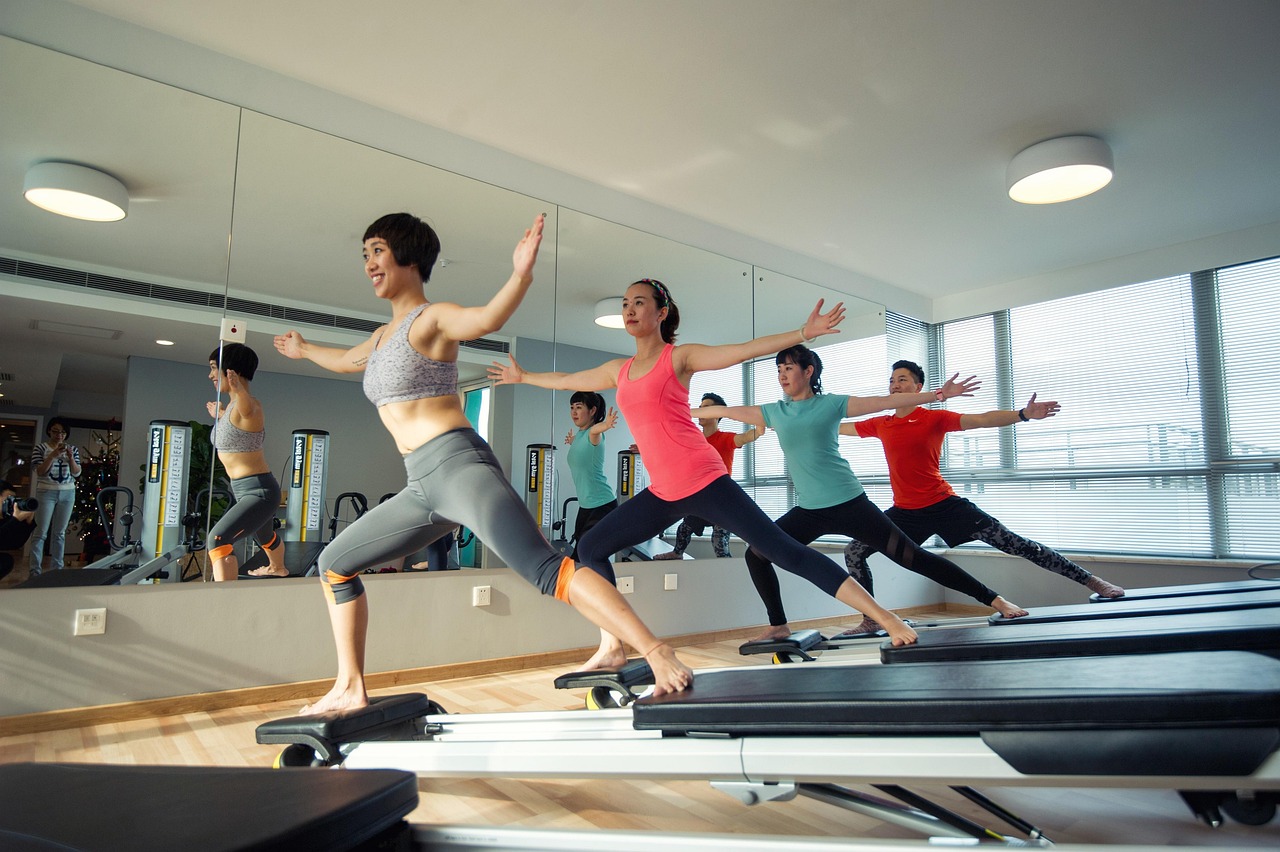
The benefits of consistent Pilates practice for body alignment extend into social and psychological realms. Many individuals find that improving their posture positively affects their self-esteem and confidence. As alignment improves, practitioners often experience enhanced body image and greater comfort in their own skin. This newfound confidence often leads to increased social interaction and a willingness to participate in activities that may have previously felt intimidating due to self-consciousness. Furthermore, the sense of community that comes with group Pilates classes fosters relationships where individuals can support one another in their journeys toward better alignment. Social connections formed in these spaces promote accountability and motivation, reinforcing the commitment to practice regularly. The positive implications of an aligned body go beyond physicality, as psychological well-being becomes linked to physical expression. Practitioners may discover that the more they engage in Pilates, the more empowered they feel to take ownership of their body. This empowerment encourages healthy habits, such as regular exercise and mindful movement, leading to a virtuous cycle of cultivating self-care practices. In essence, Pilates fosters not only physical transformation but also profound psychological growth.
Conclusion: Long-Term Transformations
Over time, consistent Pilates practice offers extensive transformations, significantly impacting overall body alignment and wellness. The tools explored throughout Pilates can be integrated into various aspects of life, encouraging individuals to approach movement with intention and awareness. Regular practice equips practitioners to sustain better postural habits that can alleviate musculoskeletal discomfort commonly experienced in modern lifestyles. A strong foundation built through Pilates not only contributes to enhanced athletic performance but also cultivates a sense of resilience that extends beyond the studio. As practitioners notice the benefits of improved alignment, they often become motivated to continue their journey, leading to increased longevity and engagement in physical activities. Ultimately, the practice of Pilates reshapes not only the body but also the mindset surrounding movement and wellness. It fosters a proactive approach, ensuring individuals can achieve their physical and mental aspirations. The journey to enhanced body alignment begins with commitment to consistent practice, offering priceless returns in strength, flexibility, and self-awareness while enhancing overall quality of life.
Maintaining regular Pilates sessions instills habits that contribute positively to an individual’s well-being, leading to improved self-perception and overall health. As sequences become well-practiced, participants often feel a profound sense of empowerment, serving as reminders of their commitment to better alignment and healthier lifestyles. The journey of exploring body alignment through Pilates is a continuous process, encouraging individuals to seek enjoyment in movement while understanding the intricacies of their body mechanics. As such, these practices can lead to enhanced vitality and a joyful relationship with one’s physicality. Therefore, to achieve optimal results, consistency remains key in Pilates, as it allows practitioners to internalize the principles learned and apply them to everyday life. Furthermore, this ongoing commitment facilitates an environment where individuals can thrive, cultivating resilience and adaptability to life’s changes. By making Pilates a regular part of one’s routine, individuals embark on a lifelong journey toward body awareness, balance, and alignment. With dedication, Pilates can be a powerful catalyst for a transformative life path, inspiring practitioners to embrace healthier choices that optimize well-being on multiple levels—physically, mentally, and emotionally.