
Footwork Patterns That Enhance Ankle Flexibility
Enhancing ankle flexibility is essential for dancers, athletes, and anyone engaged in physical activity. Footwork patterns play a significant role in improving our range of motion and maintaining overall joint health. Implementing specific exercises and routines dedicated to maneuvering the feet can lead to improved stability, balance, and agility. Key components include a strong focus on joint mobilization and a mindful approach towards each movement made. Ankle flexibility prevents injuries and enhances performance, as it allows for smoother transitions and more fluid movements. Incorporating dynamic stretches like ankle circles and point-to-flex can be beneficial. Additionally, practicing various dance styles, such as ballet or contemporary, provides not only a creative outlet but also functional strength building. Remember to always warm up the ankles before engaging in strenuous activities. Regular practice and dedication can lead to noticeable improvements in flexibility, enhancing overall performance. Prioritize these flexibility-enhancing exercises to unlock your full potential, both on the dancefloor and off. With perseverance, one can achieve greater mobility, allowing for more expressive and powerful footwork in any movement, ensuring a solid foundation for artistic expression.
Among the various exercises recommended for boosting ankle flexibility, the calf stretch is particularly effective. To perform this, one can face a wall, place hands against it, and step back with one foot while keeping it straight. By bending the knee of the front leg, the calf of the back leg should feel a stretch. Hold this position for approximately 15 to 30 seconds and switch legs. This method encourages flexibility while also strengthening the muscles involved in movement. Another effective routine is the seated leg stretch, which can be performed effortlessly. Sit on the floor with legs extended and reach towards your toes, allowing for a safe elongation of the hamstring and calf muscles. Incorporating rolling techniques where you roll your feet on a tennis or massage ball can also bring an increased range of motion to the ankles. These exercises can be part of a regular training schedule, designed to fit in seamlessly with other routines. Ultimately, these simple footwork patterns can yield sensational results, promoting improved resilience and support for your body during any physical activity.
The Impact of Dance on Ankle Flexibility
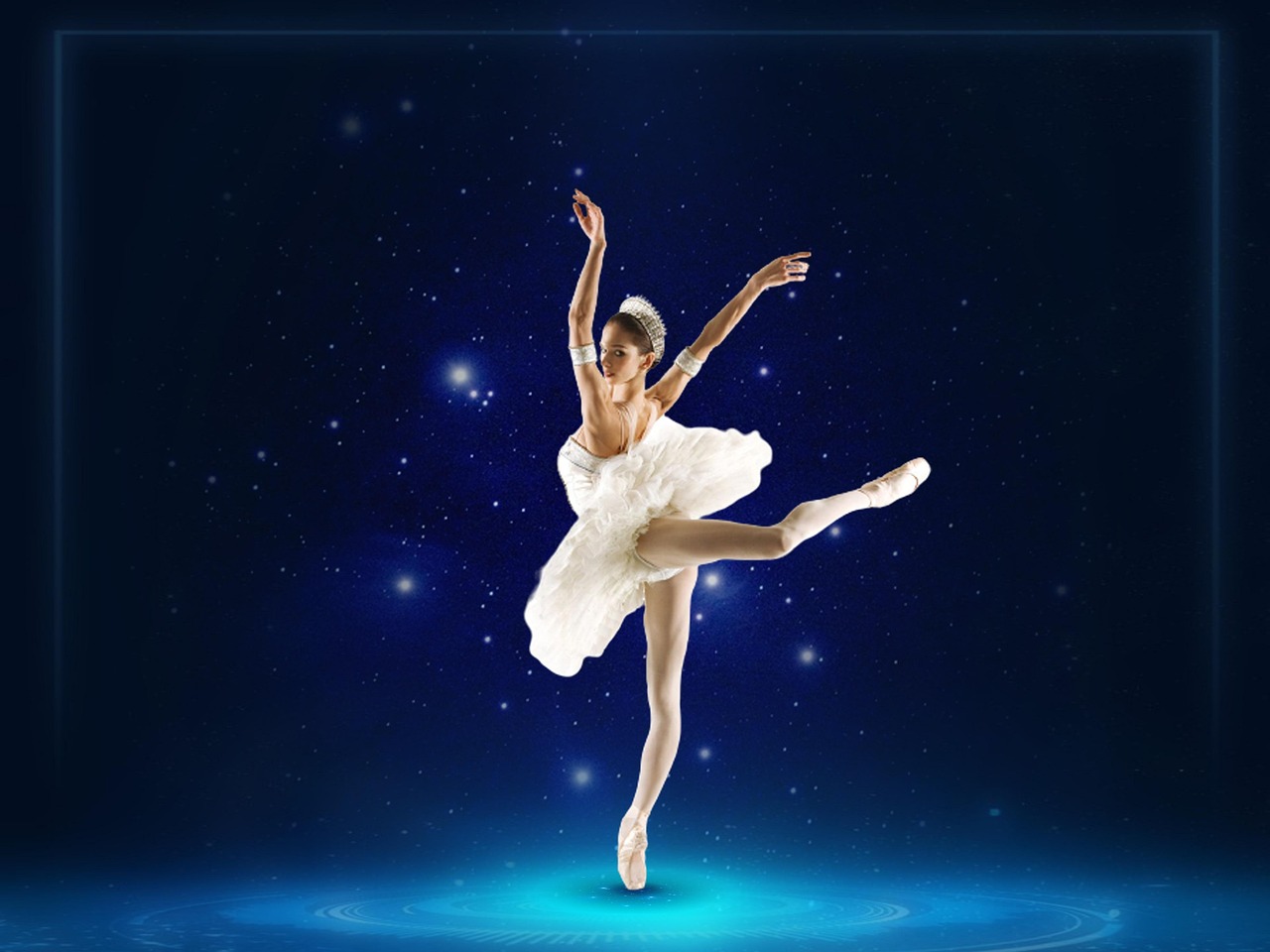
Dance inherently requires a significant range of motion in the ankle joint, thus making it an excellent discipline for increasing flexibility. Different dance styles offer unique benefits, each targeting flexibility through varying footwork patterns. For instance, ballet emphasizes the proper alignment and conditioning of the feet, promoting not only grace but also technical precision. Through rigorous training, dancers build strength in their ankles, which enhances overall performance. Another dance form, hip-hop, also encourages flexible footwork through dynamic movements, often requiring quick changes in direction and speed. This form challenges the dancer’s agility while simultaneously improving coordination. Regular exposure to various dance genres allows for an expansion of mobility and the development of adaptability in movement patterns. Furthermore, modern dance encourages expressive fluidity in the ankles, inviting greater emotional connection to the movement while allowing for free exploration of footwork. By participating in dance classes or workshops, individuals can effectively integrate these techniques into their routines, promoting lasting improvements in ankle flexibility and overall physicality.
Moreover, proprioceptive exercises can enhance ankle flexibility and stability simultaneously. These include balancing on one leg while performing simple movements or utilizing balance boards. Such activities challenge the muscles surrounding the ankle and enhance neural feedback through sensory input. As a result, they build endurance and strengthen the stabilizers, attributing to a more responsive and flexible joint. Furthermore, incorporating yoga into your routine introduces various footwork patterns aimed at enhancing flexibility. Poses like Downward Dog and Warrior poses necessitate proper ankle engagement and alignment, fostering flexibility effectively. Each position builds strength while simultaneously increasing range of motion. Emphasizing fluid transitions between poses can also contribute to improved ankle mobility. Dance and yoga, when combined, create a holistic approach towards flexibility training. Engaging in these practices regularly can facilitate noticeable growth in ankle flexibility over time, ultimately enhancing one’s overall performance in physical activities. Remember, consistency is key. Always listen to your body to avoid overexertion, allowing adequate time for recovery and adaptation as you develop better flexibility and mobility.
Nutrition’s Role in Flexibility
Nutrition can significantly influence our physical capabilities, including flexibility. Consuming nutrient-rich foods such as fruits and vegetables provides antioxidants that assist in reducing inflammation. Introducing foods high in Omega-3 fatty acids, like salmon and chia seeds, is beneficial in maintaining joint health. Proper hydration is equally essential for flexibility; it ensures that muscles and tendons remain pliable and function optimally. Consider incorporating nutrient-dense smoothies into your routine, as they can provide quick energy and essential nutrients post-workout. Supplements like collagen can also contribute positively to joint mobility and flexibility. Moreover, proteins play a crucial role in muscle recovery, which is particularly important after a workout targeting ankle flexibility. Amino acids found in protein help repair tissues, aiding in quicker recovery times. Eating a balanced diet with a focus on whole foods can lead to long-term benefits in flexibility. As part of your overall training plan, ensuring adequate nutrition supports the efforts you invest in practices promoting flexibility. Research and educate yourself on nutrition to optimize your mobility and enhance your overall performance.
Finally, integrating rest and recovery into your flexibility training is crucial. Overtraining can lead to fatigue or injury, hindering progress. It is vital to schedule regular rest days to allow the body to recover fully. Stretching routines can be performed during active recovery days, emphasizing gentle movements while avoiding strain on your ankles. Additionally, incorporating foam rolling techniques can facilitate recovery by alleviating muscle tightness and soreness. Aim for sufficient sleep; it is during this critical time that the body repairs and regenerates muscle tissues. This repair is essential for overall flexibility and adapting to physical challenges. To further enhance recovery, consider techniques such as contrast baths or epsom salt soaks to soothe sore muscles. Evaluate your daily activities and gradually include recovery practices that resonate with your body. Flexibility training is a long-term journey filled with dedication, patience, and consistent practice, and incorporating rest into the schedule will enhance your outcomes significantly. Ultimately, patience and commitment to these principles will reward you with improved ankle flexibility and dynamic mobility.
In conclusion, enhancing ankle flexibility through footwork patterns is a progressive journey that requires dedication and purposeful practice. Each exercise plays a critical role in developing flexibility, stability, and strength simultaneously. Integrating dance into your regimen not only fosters creativity but also tremendously enhances physical capabilities. Always remind yourself of the significance behind each movement and every stretch. Being mindful during your training allows you to connect with your body on a deeper level, which can manifest in better performance and enhanced mobility. Stay informed on nutrition, rest, and the variety of practices available to you. Filter in a blend of dynamic stretches, dance styles, proprioceptive exercises, and proper nutrition to build a well-rounded approach to your training. Embrace the process and recognize the milestones along the way while remaining open to exploration and growth. Conclusively, flexibility is not merely a skill but an essential component of dance and mobility that contributes to overall health. By committing to footwork patterns that enhance ankle flexibility, you will undoubtedly progress towards achieving your goals in physical activities, leading to an empowered and expressive movement.
Remember that emphasizing consistent training and maintaining the joy found in movement can enrich your overall experience. Seek community support from fellow dancers or practitioners who share the same goals. Surround yourself with those who motivate you to push your boundaries and remain persistent in your efforts towards enhancing ankle flexibility. Sharing insights, successes, and challenges can foster a supportive environment that nurtures growth. Engaging in workshops or classes focused on footwork can further advance your skillset while generating valuable social connections. As you travel along this path of flexibility training, take note of the individual changes occurring within your body. Each subtle shift offers insights into progress and areas requiring more focus. Ultimately, the journey toward increased ankle flexibility will enhance not just your dance but all aspects of your life as you cultivate body awareness and mobility. Be committed to your goals, allow for flexibility in your regime, and prioritize joy in the process. Above all, let your passion for movement guide your journey. With sustained effort and persistence, improved ankle flexibility will elevate your dance experience to new heights.