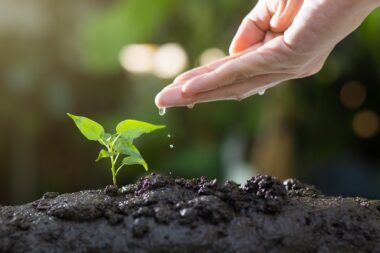
Enhancing Soil Fertility Naturally to Support Environmental Fitness
Soil health is a cornerstone of sustainable agriculture and environmental fitness. Farmers and landowners must understand the importance of reinforcing soil fertility to promote ecosystem stability. Healthy soil is characterized by its organic matter content, nutrient availability, microbiological activity, and overall structure. By adopting natural fertilization techniques, we can enhance soil conditions effectively. These methods not only improve plant vigor but also foster beneficial organisms that contribute to nutrient cycling. Essential practices for enhancing soil health include organic amendments such as compost, green manures, and cover crops. Additionally, crop rotation aids in preserving the soil structure, while minimizing pest pressures. The integration of organic farming principles promotes biodiversity within the soil ecosystem. Biologically active soils can enhance resilience against environmental stressors, such as drought or flooding. Applying these organic practices supports the regeneration of degraded landscapes. The commitment to nurturing healthy soil is a crucial step towards achieving greater sustainability in food production. By implementing natural soil fertility strategies, we move towards a more harmonious relationship with our environment and contribute to global ecological balance.
Natural Amendments for Soil Health
Natural amendments are critical for restoring and maintaining soil fertility. Compost is one of the most effective ways to introduce organic matter to the soil, improving moisture retention and nutrient availability. It not only provides essential nutrients but also enhances the soil’s biological activity. Another approach involves using green manures, which are cover crops grown to prevent erosion and enrich the soil. They protect the soil from nutrient loss and promote microbial diversity. Leguminous green manures, such as clover, are especially beneficial as they can fix atmospheric nitrogen, reducing the dependency on synthetic fertilizers. Incorporating well-rotted manure or biochar can also enhance soil structure and microbial populations. Utilizing mulch not only retains moisture but also suppresses weeds, contributing further diversely to soil health. Each method encourages an increase in soil life and strengthens the soil food web. Practices such as no-till farming can reduce soil disturbance, protecting the existing soil structure while facilitating natural processes. By integrating these natural amendments, farmers can enhance productivity and sustainability while minimizing environmental impacts.
Soil testing plays a vital role in understanding soil health parameters. Regular analysis helps determine nutrient levels and pH, enabling informed decisions regarding soil management strategies. Depending on the results, specific amendments can be tailored to meet the unique needs of the soil. Testing for micronutrients is equally important, as deficiencies can significantly affect plant growth. Soil chemistry can reveal essential information about the presence or absence of nutrients critical for crop production. Implementing precision agriculture techniques allows farmers to apply fertilizers only where needed, leading to efficient resource use and lower environmental impacts. Employing organic fertilizers based on soil test findings can increase soil fertility while reducing dependence on synthetic options. An additional aspect to consider is the timing of fertilizer application, as it affects nutrient availability to plants. Establishing a comprehensive soil management plan, therefore, becomes vital. Monitoring changes in soil health over time enables adjustments to practices according to evolving conditions. This proactive approach to soil management helps ensure long-term productivity and environmental compatibility, reinforcing the importance of soil testing in sustainable agricultural practices.
Integrating agroecological practices can further enhance soil health significantly. This agriculture approach emphasizes the interplay between biological diversity and ecosystem functions. By using polycultures instead of monocultures, farmers can enhance nutrient utilization and minimize pest pressures. Growing various crops reduces dependency on chemical inputs, allowing natural processes to take precedence. Agroforestry systems, including trees within agricultural landscapes, improve soil quality and biodiversity, contributing positively to soil structure and organic matter levels. Conservation tillage practices help maintain soil integrity and reduce erosion, preserving precious topsoil. Establishing buffer strips or riparian zones can mitigate nutrient runoff while fostering habitat for diverse organisms. Emphasizing local knowledge and practices provides a deeper understanding of sustainable land management. Engaging in community-supported agriculture allows for sharing techniques and resources, enhancing overall soil health collectively. Integrating livestock into crop systems can provide manure for soil enrichment while promoting nutrient cycling. Thus, adopting agroecological practices encourages regenerative agriculture, fostering a resilient food system in tandem with an improved environment.
Cover cropping represents an effective strategy for enhancing soil fertility naturally. Cover crops are planted during the off-season to provide ground cover, preventing erosion and nutrient leaching. Additionally, they improve soil structure and moisture retention, creating a favorable environment for beneficial organisms to thrive. Employing deep-rooted cover crops can help break compacted soil layers, enhancing water infiltration and root growth. As cover crops decompose, they contribute organic matter, enriching the soil while cycling nutrients. The selection of the right species is crucial, as different cover crops provide varying benefits. For example, leguminous cover crops can enhance nitrogen levels, while others may focus on improving soil organic content. The rotation of cover crop species ensures diverse benefits and minimizes pest cycles. Moreover, integrating cover crops into crop rotations promotes overall biodiversity, thereby fostering resilience in agroecosystems. The benefits of cover cropping extend well beyond soil enhancement, impacting farming profitability and ecological integrity. When adopted widely, cover cropping can contribute significantly to the goals of sustainable agriculture.
Water management practices are essential in maintaining soil health and supporting ecological balance. Proper irrigation techniques can prevent soil salinization and erosion, which are critical threats to soil integrity. Implementing drip irrigation or precision watering techniques ensures efficient use of water resources while minimizing waste. Rainwater harvesting systems allow for capturing and storing precipitation, reducing dependency on groundwater sources. Crop selection, based on drought resistance or moisture requirements, contributes to healthier soil and plants. Furthermore, mulching and conservation practices can enhance moisture retention, reducing the need for supplementary irrigation. Establishing vegetative barriers can also protect soil from heavy rain impact, decreasing erosion risk. These practices collectively enhance soil moisture dynamics and contribute to improved crop performance. Utilizing agroecological principles can enhance water retention capacity by fostering biologically active soil. Collaborating with agricultural agencies toward establishing best practices contributes to a more sustainable water management framework. By focusing on sustainable water management practices, we simultaneously support soil health while nurturing our ecosystems.
Continuous Improvement and Education
Continuous education and improvement in soil health management practices are critical for long-term sustainability. Farmers and stakeholders must stay aware of the latest research and advancements in sustainable practices. Engaging with local agricultural extension services can provide insights and practical knowledge for applying beneficial practices. Workshops and seminars focused on soil management principles can empower farmers to appreciate the impact of their practices on soil health. Establishing community networks for knowledge sharing fosters an environment of collaboration and learning. Incorporating feedback from farmers about effective practices enables continuous adaptation and innovation. Participatory research can yield localized solutions tailored to specific regional issues. Online resources, including courses and articles, also serve as valuable platforms for knowledge dissemination. Encouraging mentorship between experienced and novice farmers strengthens community bonds. By promoting a culture of continuous improvement, we can ensure that soil health remains a priority. Integrating these educational aspects forms the foundation for a more resilient and sustainable agricultural landscape, ultimately leading to environmental fitness and conservation of planetary resources.
In conclusion, enhancing soil fertility naturally is vital for supporting environmental fitness. Practices such as natural amendments, cover cropping, agroecological methods, and efficient water management contribute significantly to soil health. Implementing these strategies helps build resilience against environmental challenges and fosters biodiversity within ecosystems. Continuous education, sustainable management, and collaboration among practitioners create a framework for long-term soil and environmental health. As we face mounting pressures from climate change and degradation of resources, nurturing soil becomes even more crucial. The efforts and practices adopted today will influence the future of agriculture and the environment. By cultivating an understanding of soil health, we are not merely improving crop yields; we are investing in the health of our food systems and the planet as a whole. Strategies for enhancing soil fertility must evolve alongside advancements in our understanding of ecological functions. Ultimately, committed efforts to support soil health contribute to a prosperous future for agriculture while promoting environmental fitness. The journey towards enhancing fertility naturally signifies a holistic approach to safeguarding our environment for generations to come.