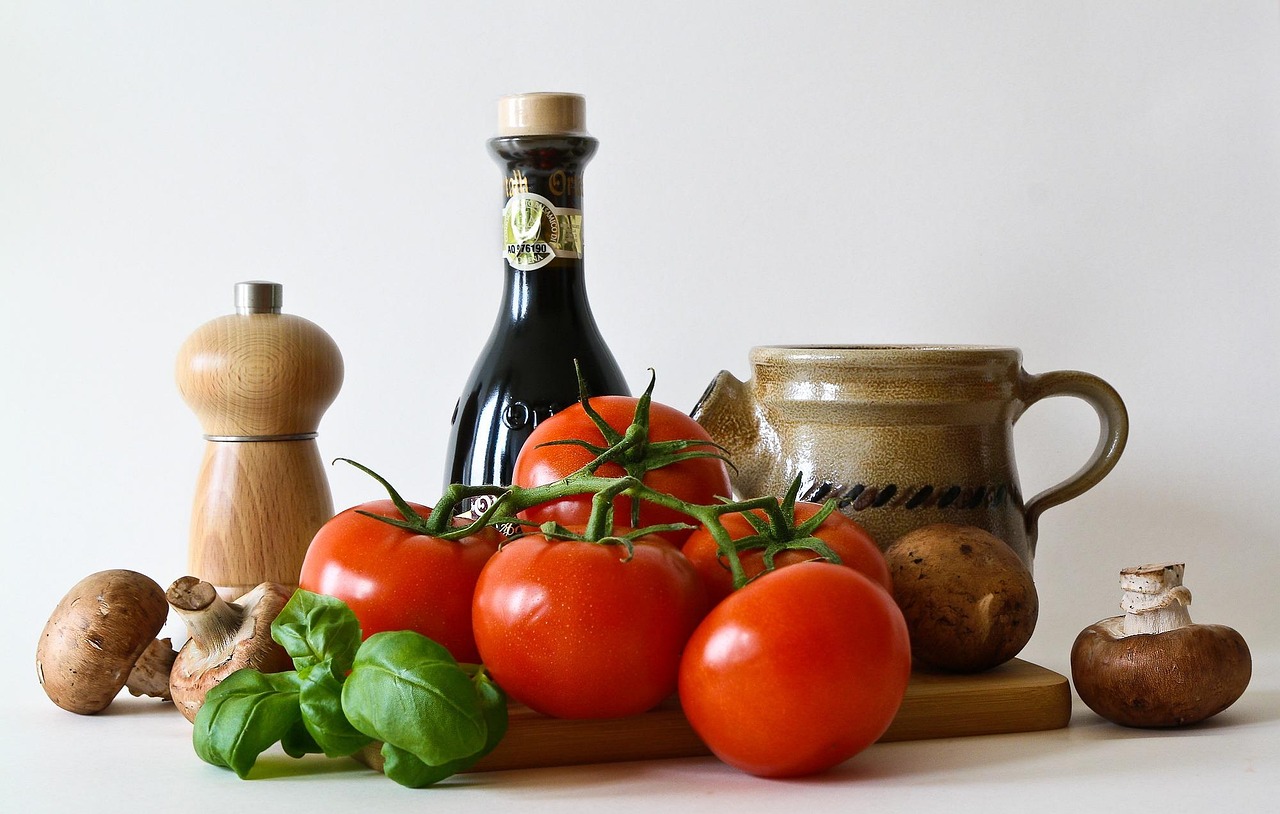

Choosing the Right Ingredients for Meal Prepping and Weight Control
When embarking on your meal prepping journey, selecting the right ingredients is crucial for successful weight maintenance. Start with whole foods, such as fresh fruits and vegetables, lean proteins, and whole grains. These ingredients are nutrient-dense and help keep you satisfied longer. For protein, consider chicken breast, turkey, or plant-based options like lentils and beans. Whole grains, such as quinoa or brown rice, provide fiber, keeping your digestive system healthy. Incorporate healthy fats like avocados and nuts, which are excellent sources of energy. It is also essential to pay attention to portion sizes. Preparing meals in portions suitable for your daily caloric intake can prevent overeating. Utilizing a food scale or measuring cups can help ensure accuracy. The quality of your ingredients plays an integral role in your overall health; choose organic or non-GMO when possible, particularly for produce. Finally, don’t forget to include plenty of herbs and spices to enhance flavor without adding extra calories. This thoughtful selection not only influences taste but also health benefits, supporting both weight control and enjoyment of meals.
Focus on Nutritional Value
Evaluating the nutritional value of ingredients is vital for meal prepping effectively. Check nutritional labels when shopping to choose items low in sugars and saturated fats. Opt for ingredients that are high in digestion-slowing fiber, including legumes, whole grains, and vegetables. Fiber not only aids in digestion but also keeps you feeling full, assisting in weight management. Aim to incorporate a variety of colors in your meals, as different colored fruits and vegetables provide a broader range of vitamins and minerals. Leafy greens like spinach or kale provide Vitamin K and iron, while orange vegetables like carrots are rich in beta-carotene. Combining these nutrient sources can enhance nutrient absorption. Furthermore, consider foods that are low-energy-dense, meaning they provide fewer calories while being high-volume, such as zucchini or mushrooms. Incorporate healthy snacks, like sliced bell peppers with hummus or apple slices with almond butter, to keep hunger at bay between meals. Remember, planning meals by including diverse ingredients contributes to balanced nutrition and makes your food prepping routine more enjoyable.
In addition to nutritional value, consider the ease and convenience of meal prep recipes. Choose ingredients with longer shelf lives, such as frozen vegetables or canned legumes, which can save time and reduce food waste. Fresh produce is essential, but knowing which ingredients can withstand time in your fridge can help manage your meal prep more effectively. When shopping, also consider batch cooking; this involves preparing several servings of a meal at once, allowing you to diversify your weekly menu without daily cooking. This approach also minimizes cleanup time. Utilize mason jars, containers, and freezer bags to store prepped ingredients or meals. Organizing your meals ahead of time can reduce stress during busy days. You can also consider the time required for cooking various dishes to ensure you don’t overcommit yourself. Create a menu for the week, incorporating simple recipes that feature ingredients in common; this keeps shopping lists manageable while reducing waste. When you prepare your meals with intention and efficiency, staying committed to weight maintenance becomes a more achievable goal.
Incorporating Seasonal Ingredients
Using seasonal ingredients can significantly enhance your meal-prepping experience while promoting better weight maintenance. The benefits of cooking with seasonal produce include superior flavor, freshness, and nutritional value. Seasonal fruits and vegetables tend to be more affordable and may contain higher levels of nutrients, as they are harvested at the peak of ripeness. For example, spring might bring asparagus, peas, and strawberries, while fall offers squash, apples, and pumpkins. Build your meal plans around these fresh ingredients, allowing you to enjoy diverse flavors year-round. Additionally, consider visiting local farmers’ markets to discover fresh, in-season options. Engaging with local markets not only supports your community but often provides opportunities to understand food sources better. Buying produce in season often inspires creative cooking ideas as you experiment with new recipes and combinations of flavors and textures. Try incorporating seasonal ingredients into salads, soups, or grain bowls to keep meals interesting. You can mix and match with proteins and grains, adjusting your recipes as the seasons change. This practice keeps your meal prepping exciting and aligns perfectly with weight management goals.
Incorporating meal-prepping strategies should include being mindful of how you store and reheat ingredients. The storage methods you choose can affect taste and nutritional integrity. Use airtight containers to keep meals fresh longer, preventing spoilage. When reheating meals, prefer methods that preserve nutrient content rather than mashing or microwaving. For instance, a steam or bake approach can retain the texture and flavor of your prepped meals. Also, remember to label your containers with the prepared date and contents, ensuring you consume items in a timely manner, which helps maintain food safety and quality. Moreover, keep a constant check on food rotation in your pantry and refrigerator. Older items should be consumed first while updating new items can reduce waste. Creating a rotation ensures everything gets eaten before spoilage. Additionally, exploring new storage and reheating techniques may encourage creativity. Utilize batch-cooking practices as an opportunity to prepare multiple meals or ingredients for varied use throughout the week. Varying your cooking and refeeding methods can keep your meals satisfying while staying committed to weight control.
Mind Your Seasonings and Sauces
When meal prepping, consider the impact of sauces and seasonings on the overall nutritional value of your dishes. It’s easy to overlook how these additions can contribute extra calories, sugars, and sodium. Instead, focus on using a variety of herbs, spices, and homemade dressings to elevate your meals without adding unwanted substances. Fresh herbs, like basil and cilantro, can change a meal’s flavor profile without unnecessary calories. For dressings and sauces, explore recipes using apple cider vinegar, lemon juice, and healthy oils such as olive oil. Create your sauces using natural sweeteners like honey or maple syrup to help balance flavors. However, moderation is key! When preparing meals, measure out dressings, as it can be easy to exceed recommended serving sizes inadvertently. Keep an eye on portion control in everything you add to your meals. Becoming intimately familiar with what goes into your food enhances both preparation strategies and ingredient selection. Remember that healthy cooking should still be flavorful, and enjoying your meals can contribute to sustainable weight maintenance.
After establishing solid meal prepping practices that involve choosing the right ingredients, you may want to consider adjusting based on individual tastes and goals over time. Each person’s nutritional needs can vary greatly. Personalize your meal-prepping approach by assessing your own dietary restrictions, preferences, and health objectives. Experimentation is often necessary to determine which meals keep you satisfied and energized. Be open to modifying recipes to better fit your unique cravings or lifestyle. For example, swap ingredients based on availability, seasonal produce, or even culinary enthusiasm. Don’t shy away from trying new flavor combinations or preparation methods. Adapting your meal prep process is essential for long-term success in maintaining your weight. Staying curious about food and cooking can keep your diet from becoming stagnant. Regularly revisiting your meal plans and incorporating feedback on what works can lead to sustainable weight management. Recognize the importance of enjoyment in healthy eating practices; having fun and discovery in the kitchen can turn a mundane task into an exciting culinary adventure!
Final Thoughts on Meal Prepping
In conclusion, meal prepping is a powerful tool for maintaining a healthy weight when practiced thoughtfully. By selecting the right ingredients, you can create nutritious and satisfying meals that cater to your preferences and lifestyle. Focus on whole foods, nutritional value, and seasonal ingredients to boost both health and taste in your meals. Incorporate strategies for proper storage and reheating, and be mindful of how sauces and seasonings impact your overall dishes. Remember to personalize your meal plans as necessary; everyone’s journey in weight control can look different. Look for inspiration through recipes, fellow meal preppers, or local culinary classes to rejuvenate your meal prep routine. Celebrate small victories, such as sticking to your meal plans, discovering new flavors, or gaining cooking skills. As you refine your meal prepping process, you may notice improved physical health and mental wellbeing. So take the time to invest in your meal opportunities, explore the process, and enjoy the changes. Meal prepping empowers you to reach your health goals while truly enjoying the culinary experience.