
How Functional Training Prepares Muscles for Real-Life Activities
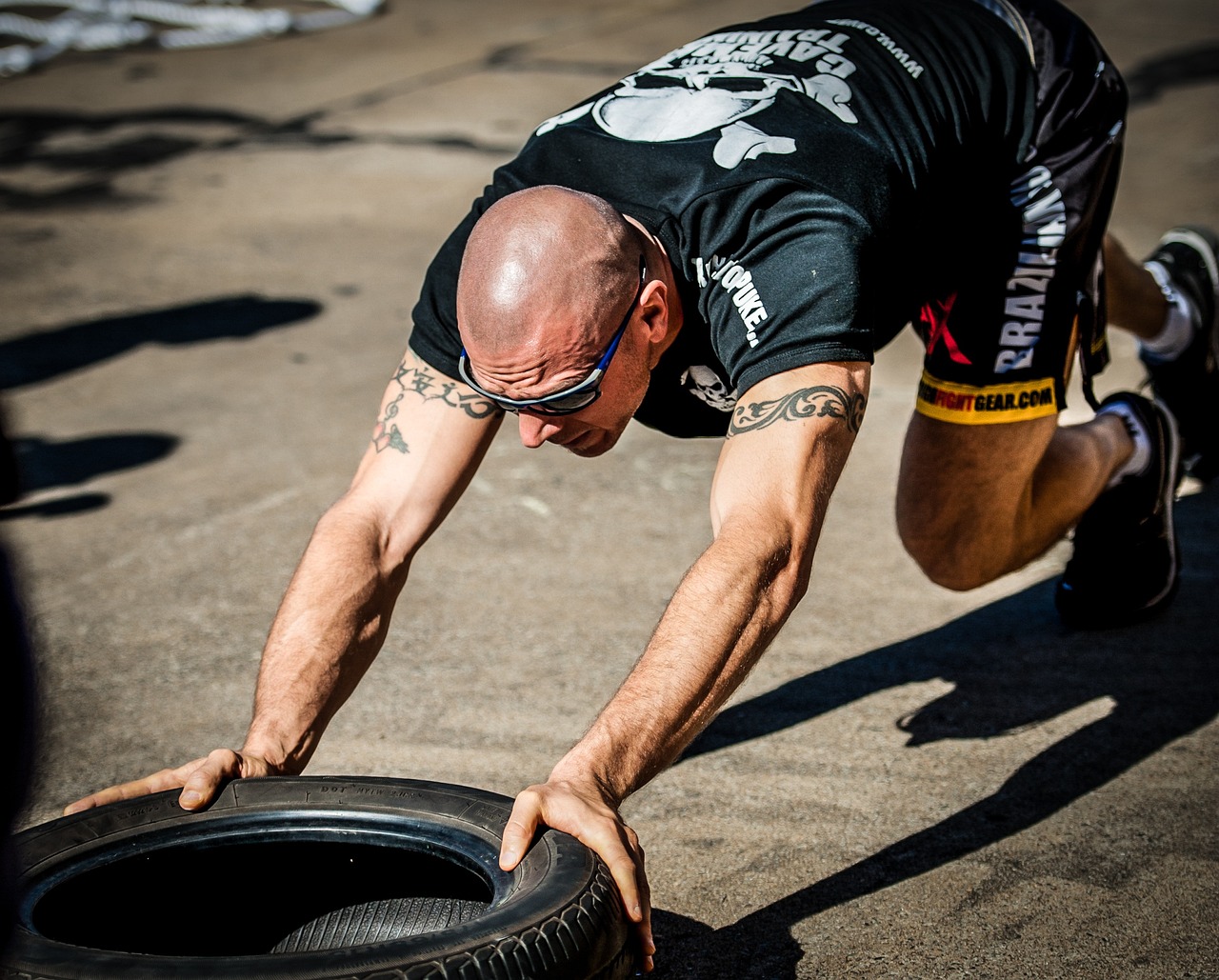
Functional training involves exercises that mimic everyday movements, effectively preparing your muscles for real-life activities. This training method engages multiple muscle groups, enhancing overall strength, stability, and coordination. By focusing on these multi-joint movements, individuals can achieve improved functional strength that is not only beneficial for sports but also daily tasks. A common approach involves weight resistance and balance exercises that help in building lean muscle mass. Squats, lunges, and kettlebell swings are excellent examples; they target major muscle groups like legs, core, and back while mimicking real-life actions like lifting or climbing stairs. One key establishment of functional training is the enhancement of core stability. A strong core is essential for maintaining proper posture and reducing injury risk during various activities. Additionally, this training modality emphasizes flexibility and coordination, which are crucial for functioning effectively in daily scenarios. When done correctly, functional training provides a holistic approach that improves overall fitness, making it an ideal addition to any workout routine. Not only does it promote muscle building, but it also prepares the body to perform with efficiency in real-life situations.
Functional training incorporates a variety of elements aimed at improving strength, balance, and agility, essential attributes for optimal performance in everyday life. Conditioning the body through compound and functional movements enhances muscular strength and promotes better postural alignment. Exercises like push-ups, pull-ups, and planks target the upper body, developing endurance alongside core stability. Moreover, functional training improves cardiovascular health, as many routines raise heart rates through sustained movement patterns. This cardiovascular endurance complements functional strength, enabling individuals to perform daily activities with ease over extended periods. One notable aspect of functional training is its adaptability. Programs can be tailored to different fitness levels and specific goals, ensuring both beginners and advanced individuals benefit from the regimen. For example, modifications can include adjusting the weights used or incorporating resistance bands. It’s essential to maintain proper form to prevent injuries and promote effectiveness. Continually challenging the muscles through diverse exercises prevents plateauing and encourages consistent progress. Furthermore, functional training encourages mental awareness and focus as each exercise requires concentration on movement quality, which translates into increased body awareness and improved synchronization in daily activities.
The Benefits of Enhanced Core Stability
With a focus on muscles used in real-life activities, functional training significantly boosts core stability. Building a sturdy core is a priority since it serves as the foundation for nearly all movements. Whether bending to pick something up or twisting to reach for an item behind, a strong core stabilizes the pelvis and spine, minimizing the risk of injury. Key exercises include rotations, stabilizing holds, or dynamic movements that require engagement of the abdominal and back muscles. Stability training ensures all major muscle groups work synchronously, enhancing coordination and strength. Core stability also positively affects balance, preventing falls that can occur in everyday environments. Individuals better equipped with core strength navigate uneven surfaces with grace and confidence, which is particularly important for older adults or those in active job roles. This kind of training can also improve athletic performance and functional movements in sports, as strong core engagement is vital when running or jumping. Regular integration of stability exercises into fitness routines enables individuals to execute tasks with greater power and efficiency, building a stronger body prepared for various challenges. Ultimately, emphasizing core stability has far-reaching benefits.
Another major advantage of functional training is improved flexibility, which greatly contributes to muscle performance. Muscles that are flexible can function optimally during dynamic movements, such as reaching, bending, or twisting. Flexibility workouts such as dynamic stretching complement strength-building exercises, ensuring muscles remain supple and resilient. A flexible body reduces the risk of strains during physical activity and enhances recovery after exertion. Engaging in balanced training that intertwines flexibility and resistance helps develop a more holistic fitness approach. Important flexibility exercises include dynamic leg swings, trunk rotations, and shoulder stretches, focusing on mobility throughout the entire range of motion. These movements encourage blood flow to the muscles while enhancing muscle elasticity over time. For those involved in sports or manual labor, maintaining flexibility can protect against injury and prevent discomfort. Functional training’s focus on mobility also helps individuals perform better in routine tasks, ensuring ease of movement in different situations. Implementing flexibility training in your workout regimen significantly leads to improved performance in functional movements and daily life, resulting in effortlessly integrated activities and less fatigue during exertion.
The Role of Balance in Functional Training
Balance is a critical component that functional training addresses, significantly aiding in muscle preparation for real-life situations. A balanced body promotes efficiency in every movement, reducing the risk of falls and enabling smooth transitions between various physical activities. In functional training, balance exercises challenge the body’s stability while engaging core muscles, thus improving overall coordination and strength. Common practices include single-leg stands, balance board workouts, or stability ball exercises focusing on posture and control. Practicing balance not only strengthens muscles but also enhances proprioception—the body’s awareness of its position in space. Enhanced proprioception leads to improved performance in sports and daily activities, allowing individuals to move confidently and react effectively. By conditioning muscles for stability, functional training equips individuals to respond adeptly to unexpected movements, thereby lowering injury risk. Balance training is particularly vital for older adults who face increased risks of falls; incorporating it into their fitness routine promotes safer living. Individuals of all ages can greatly benefit from balance training, leading to improved functional capacity and resilience in everyday tasks and recreational activities.
Functional training also emphasizes agility, which significantly supports everyday movement efficiency. Agility drills can enhance quickness, coordination, and reaction times, qualities that are essential for completing personal tasks or participating in sports. Activities such as ladder drills, cone weaving, or shuttle runs improve muscular reactions, allowing the body to respond faster to changes in direction or speed. This speed helps in preventing injuries, especially from actions requiring sudden movement shifts. Moreover, agility training integrates strength, balance, and coordination—all vital for keeping the body prepared for diverse challenges. Enhancing agility also aids in developing better motor control, translating into smoother and more effective execution of physical tasks in everyday life. Students, athletes, and anyone looking to increase their functional abilities will find agility training integral in achieving their goals. By fostering quick reflexes and adaptability, functional training positions individuals for success both athletically and personally. Ultimately, agility serves as a crucial aspect of physical fitness that can enhance one’s quality of life and overall performance in any endeavor. This intertwining of agility within practical training prepares muscles effectively for unbiased activity challenges.
Conclusion and Future Directions for Functional Training
In conclusion, functional training is a powerful method for developing muscles that prepare individuals for real-life activities. By focusing on core stability, flexibility, balance, and agility, this training modality effectively enhances muscle performance and supports a well-rounded approach to fitness. As various studies suggest, integrating functional movements into training helps individuals to mitigate injury risks and ensures robust performance during daily tasks. Adaptability in implementing functional training can cater to various populations, including young athletes, older adults, or individuals recovering from injuries. This versatility makes it a highly functional choice for those seeking improvement across different genres. Furthermore, ongoing evolution in functional training techniques continues to introduce innovative practices that challenge traditional workouts, maximizing results while ensuring safety. Many trainers encourage cross-training, mixing functional approaches with traditional techniques for comprehensive fitness development. Through continual exploration, individuals can refine their fitness experience to meet specific needs. Thus, by adopting functional training, you’re investing in a holistic approach to strength and physical applicable abilities that will enhance overall lifestyle positively.
In summary, functional training holds tremendous potential in effectively preparing the muscles for varied real-life activities. Focusing on movements that mirror daily tasks allows individuals to cultivate strength, flexibility, and balance essential for improved adaptability in life. Integrating this type of training into your routines can lead to enhanced fitness, performance, and injury prevention. Keeping workouts diverse and manageable promotes optimal brain-muscle coordination, essential for executing functional movements seamlessly. With proper guidance and progression, anyone can reap the benefits of functional training, leading to a life filled with vigor. Individuals who embrace this approach will find themselves stronger, more capable, and ready to tackle any physical challenge that comes their way.