
Champion’s Guide: Preparing Mentally and Physically for Your First Competition
Entering bodybuilding competitions is a transformative journey that many athletes face. The process begins long before the official date of the competition. It encompasses rigorous training, dietary adjustments, and psychological readiness. To secure victory, a champion must focus on mental readiness, which bridges the gap between hard work and achievement. Preparation may seem overwhelming, but approaching it step by step prepares anyone for success. Begin by setting realistic and attainable goals, which help maintain motivation and performance levels. Use these goals as benchmarks, allowing you to track progress during your training regimen. Moreover, enlisting the guidance of experienced coaches can provide valuable insights. Their expertise can identify strengths and weaknesses, offering personalized feedback. Surrounding yourself with supportive friends and family is motivating and crucial in sustaining positivity throughout the journey to competition. Furthermore, joining a gym community of like-minded individuals provides a sense of belonging, which can enhance training sessions. This camaraderie and support structure make the preparation process enjoyable, increasing the chance of overall success on stage.
Structuring Your Training Routine
Your training regimen is the cornerstone of your preparation for any bodybuilding competition. A well-structured routine is crucial for optimizing your performance. Start by focusing on compound movements like squats, deadlifts, and bench presses. These foundational exercises build overall strength and muscle mass necessary for achieving a balanced physique. Schedule your workouts efficiently across the week. For instance, alternate between upper and lower body workouts, allowing sufficient rest and recovery time. Incorporate isolation exercises as well to target specific muscle groups, ensuring no area is neglected. As you approach the competition date, prioritize refining your poses, as stage presence plays a crucial role in judging. Include posing practice within your workout schedule, dedicating time to learn the intricacies of transitioning smoothly between poses. Additionally, tracking your lifts and progress is essential. Consider using a training journal or an app to record how you improve over time. This not only motivates you but also helps identify any plateaus or areas to adjust. Balancing intensity and rest days is crucial to avoid injuries while maximizing muscle growth, keeping you on track for competitive readiness.
Nutrition plays an essential role in both physical and mental preparation for bodybuilding competitions. Implementing a tailored diet is one of the most effective ways to gain an edge. Prioritize high-quality protein sources to facilitate muscle growth and repair. Lean meats, fish, eggs, and plant-based proteins should be primary components of your meals. Carbohydrates are also vital for providing energy during intense training; hence, include whole grains, fruits, and vegetables in your diet. The timing of your meals relative to your workout sessions is equally important. Consider consuming a balanced meal containing both protein and carbohydrates within an hour after workouts to aid recovery. Hydration is another aspect not to overlook. Keeping your body adequately hydrated supports overall bodily functions and performance. It is often advised to increase water intake in the weeks preceding the competition to enhance muscle fullness and vascularity. Furthermore, some athletes experiment with carbohydrate cycling leading up to the event, strategically manipulating carbs to achieve peak physique. Understanding how your body reacts to food is crucial; therefore, monitoring changes, adjusting macros, and experimenting help refine your pre-competition diet.
Building a Positive Mindset
Mental preparation is as vital as physical conditioning when heading into a bodybuilding competition. Your mindset influences your performance on stage and training effectiveness. Developing a positive mindset begins with visualization techniques. Envision yourself performing confidently and successfully when you step onto the stage, enabling you to mentally prepare for the pressure of competition. Alongside visualization, practicing mindfulness can help enhance focus and reduce anxiety. Dedicating a few minutes daily for meditation or breathing exercises promotes calmness during competitive scenarios. Remember that setbacks are frequent; how you react without discouragement is critical. Learn to embrace the journey, understanding that improvement takes time and effort. Surrounding yourself with positive influences can bolster your mental state. Engage with fellow competitors who share similar goals and perspectives. Building relationships based on mutual encouragement fosters a competitive yet supportive environment. Journalizing your thoughts and experiences throughout this process can also provide clarity about your progress and feelings. Additionally, consider motivational quotes or affirmations to counter negative self-talk. A constructive mindset, paired with your hard work, ultimately influences your presence on stage.
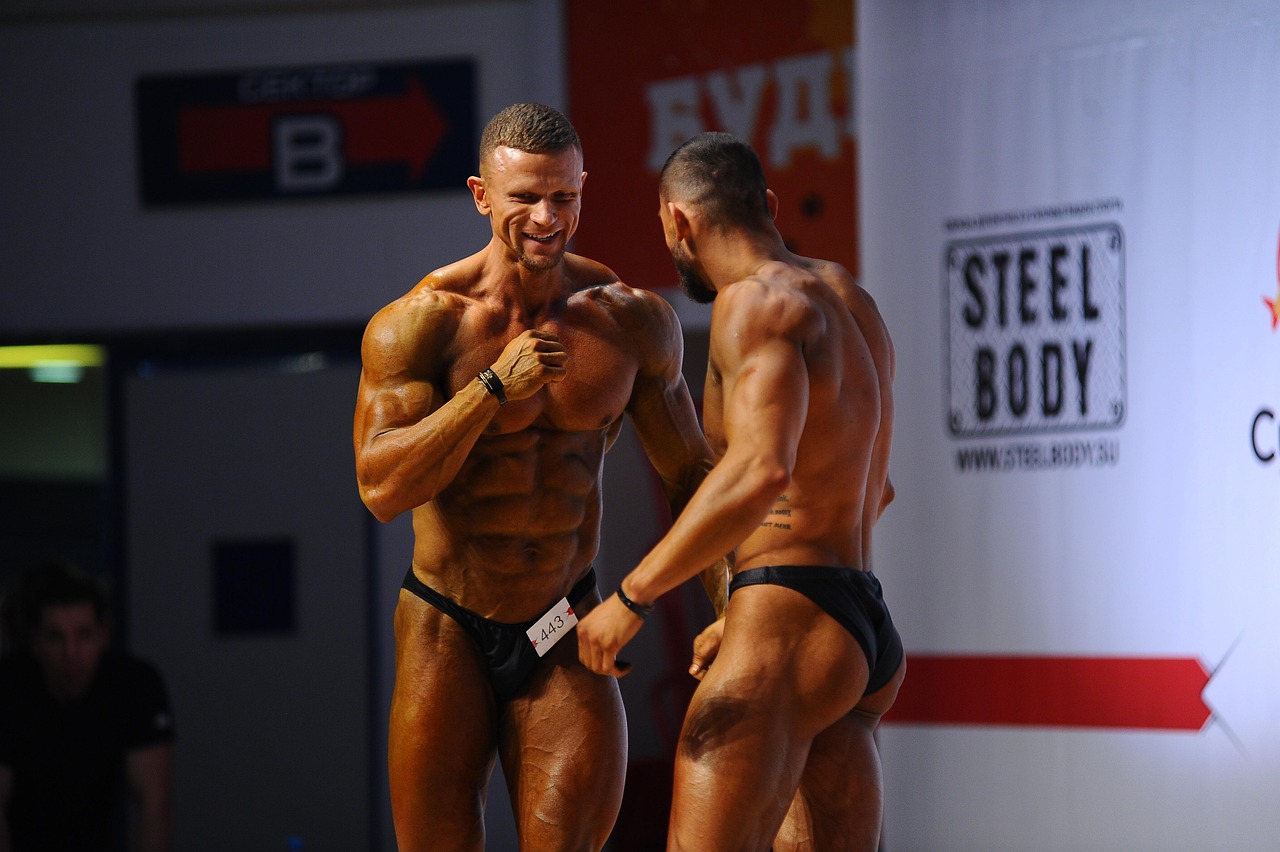
As competition day approaches, fine-tuning your preparation is essential for success. This involves strategically deciding on your pre-competition routine leading up to the event. Consider a mini taper in your training schedule. Reducing workout intensity allows your body to recover fully, giving you peak energy levels when it matters most. In the week prior to the event, your focus should shift towards optimizing your nutrition and timing. Stay consistent with your diet but be sure to manage the water intake delicately. Some athletes might choose to manipulate their water levels for aesthetic purposes, providing necessary visual impact. However, always consult with nutrition experts when experimenting with these methods. Right before stepping on stage, making sure you have the proper tan and ensuring your posing outfit is perfectly fitted allows you to feel confident in your appearance. Establish a routine for warming up before taking the stage; this helps mitigate pre-stage jitters. Embrace the opportunity to showcase your hard work and the dedication you’ve poured into training. Understanding that every competitor has their journey reminds you to enjoy this remarkable experience.
Pain Management and Recovery
Recovering from intense training sessions is essential for long-term success in bodybuilding competitions. Incorporate various recovery techniques within your schedule to ensure your body remains in peak condition. Techniques such as foam rolling, stretching, and massage therapy can alleviate muscle soreness and tension. Additionally, prioritizing quality sleep is crucial, as inadequate rest affects both physical performance and mental clarity. Aim for 7-9 hours of uninterrupted sleep each night leading up to the competition. Listening to your body is vital in managing pain or fatigue; if you experience discomfort, consider adjusting your workout intensity or taking additional rest days. Utilizing active recovery days can also encourage blood flow and assist the healing process. Nutrition can significantly aid in recovery as well; consuming anti-inflammatory foods can help soothe muscle pain and expedite healing. After the competition, engaging in a structured recovery plan will ultimately sustain your physique and health benefits. Allowing time for your body to recuperate is essential before beginning a new training cycle. It fosters resilience and prevents injuries that could impair long-term success. Thus, developing a solid recovery strategy will serve you well in all future competitions.
Ultimately, the journey to your first bodybuilding competition is multidimensional, requiring dedication and passion. Balancing mental and physical preparation fosters a holistic approach toward achieving success. Regardless of the outcome on competition day, remember to celebrate your achievements, growth, and efforts leading up to this point. Every competitor faces unique challenges that shape their journey, so honor your transformation. Emphasizing both the process and the results is essential for maintaining motivation as your bodybuilding career progresses. With each competition, experience builds resilience, and the lessons learned enhance future preparations. Consider documenting your experiences through photos, journals, or social media. Such practices can inspire others while serving as a reminder of your dedication. Ultimately, staying humble and grateful for the opportunity to showcase your hard work will enrich your competitive journey. Every champion was once a beginner, believing in themselves despite uncertainty. Keep pushing forward, learning, and adapting as you refine your skills. By fostering a positive approach, surrounding yourself with support, and setting meaningful goals, you lay a solid foundation for success in bodybuilding competitions.
In conclusion, how you prepare for your first bodybuilding competition can greatly influence its outcome. Engaging solid strategies, with the right mindset and comprehensive training plan, helps athletes perform at their best. Seek advice from seasoned competitors and coaches while fostering valuable connections within the fitness community. They can offer practical advice and provide a support network that proves crucial during this process. Establish a routine that incorporates physical training, nutritional practices, mental preparation, and recovery strategies. By holistically addressing these areas, you can maximize your performance potential. Understand that challenges will arise, but resilience in overcoming them will define your journey. Competition day should be a celebration of your dedication and hard work. Enter with confidence, poised to showcase your physique to the judges and audience. Remember to breathe and enjoy the experience, allowing your excitement to shine through. Whatever the result, take pride in your commitment to self-improvement and growth. As you conclude this chapter, keep refining your approach for future competitions while maintaining a healthy balance in your training and personal life.