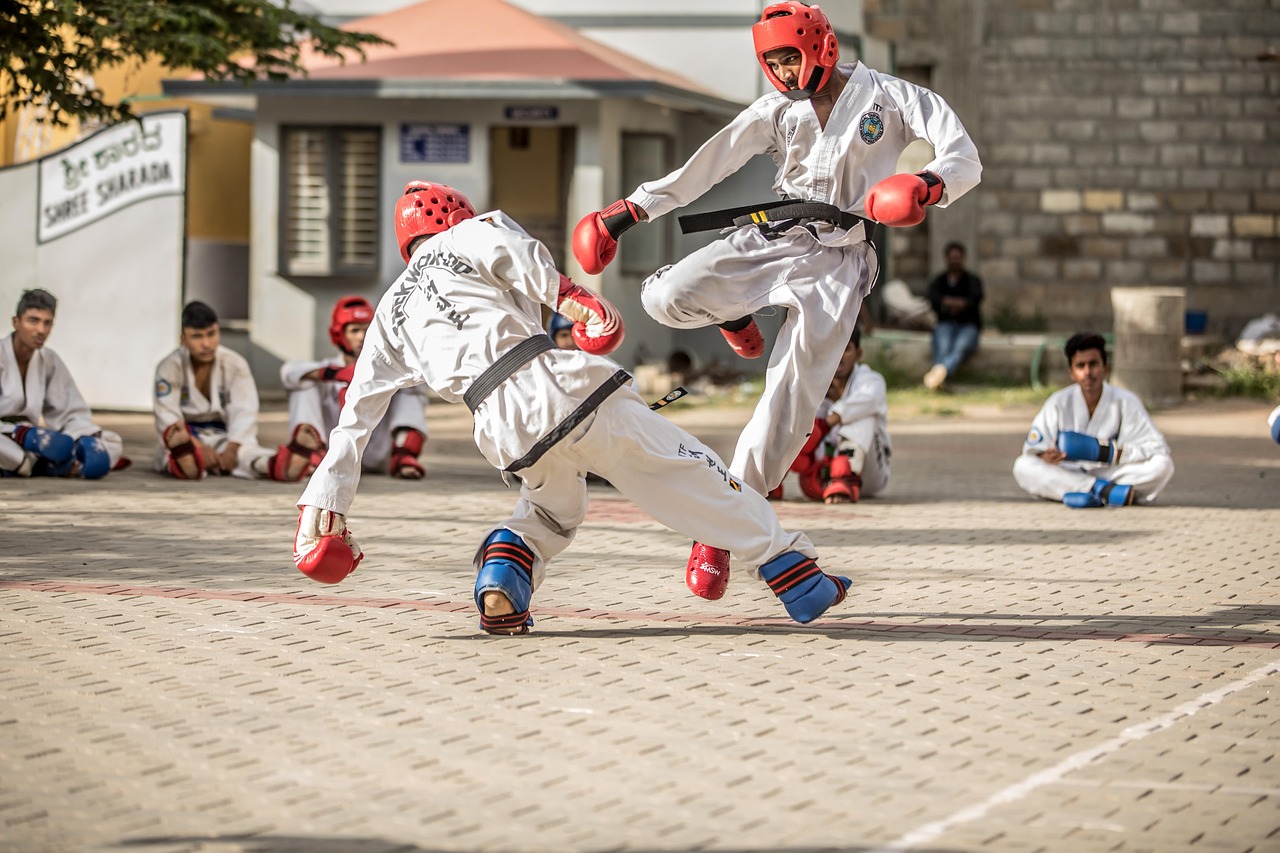

Using Taekwondo to Improve Balance and Coordination
Taekwondo is a dynamic martial art that focuses on high, fast kicks and various jumping and spinning techniques. These elements not only enhance the practice of martial arts but also significantly improve balance and coordination. Balance is essential in executing taekwondo moves effectively, and it also benefits everyday life activities. When you train in Taekwondo, your body develops a stronger sense of equilibrium, which helps in maintaining stability and posture. As you progress, the various techniques will challenge your bodily control and core strength, resulting in enhanced body awareness. The practice involves stances, footwork patterns, and movements that require you to shift your weight continuously; this helps in enhancing your overall balance. Additionally, the footwork in Taekwondo develops coordination as you learn to move efficiently and smoothly while performing techniques. By incorporating drills that specifically focus on balance, you gradually strengthen the muscles in your legs, which is vital for all athletes. This article will delve deep into how Taekwondo contributes to improving balance and coordination effectively.
Balance is a critical aspect of Taekwondo practice because executing high kicks and various techniques requires precise body control. Improved balance enhances your ability to perform complex moves while minimizing the risk of injury. Balance is not just about keeping your feet planted; it also involves all parts of the body working synergistically together. In Taekwondo, practitioners engage in different stances, such as the front stance or back stance, which facilitate balance training. These stances help in developing leg strength and core stability, crucial components that contribute to effective martial arts practice. Furthermore, as you practice these stances, you learn how to distribute your body weight efficiently, optimizing your performance. The balance gained through Taekwondo practice also translates to other activities in your daily life, offering better stability while walking or participating in sports. As such, training in Taekwondo can lead to useful applications beyond the mat, making it a captivating discipline. Thus, if you desire improved balance that translates into real-world applications, engaging in Taekwondo can be an effective pathway for achieving your goals.
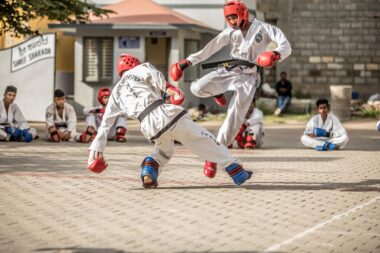
Coordination in Taekwondo is equally important, as it directly impacts your movement ability. Practicing forms, or poomsae, requires you to coordinate various movements in a set sequence. This repetitive motion helps you develop a better feel for rhythm and spatial understanding, facilitating smoother transitions between techniques. As your body adapts to the movements required in Taekwondo, you will notice improved hand-eye coordination during sparring, where accurate timing is essential. The targeted training in Taekwondo also helps foster neurological pathways, improving reaction time. For example, executing a roundhouse kick requires you to coordinate your legs, arms, and core effectively. This cross-body coordination fosters overall agility and enhances athletic performance in complementary sports. Moreover, as you grow more comfortable with the movements, increased confidence allows you to execute your techniques swiftly and accurately. Hence, focusing on coordination during Taekwondo practice reinforces your ability to synchronize movements, which could boost performance in various disciplines. This ability is instrumental for athletes across different fields, making Taekwondo training an excellent choice for enhancing coordination.
Techniques to Enhance Balance and Coordination
To improve balance and coordination through Taekwondo, several specific techniques and exercises can be implemented during training sessions. One effective drill involves practicing static stances, where you hold a position to strengthen your leg muscles while focusing on balance. Stances such as the horse stance and front stance are particularly beneficial as they challenge the core and lower body. Another technique is to perform kicks while maintaining balance on one leg, which actively engages your core muscles. Incorporating balance pads or stability balls into your practice can provide extra challenges that further develop your balance. Moreover, shadow kicking is another excellent technique involving practicing kicks in the air without a target, allowing you to focus precisely on balance and foot placement. Resistance bands can also be incorporated in drills to build strength and control, thereby improving overall coordination. Sparring exercises, where coordination between different movements is tested, also serve the purpose of integrating all necessary components for a well-rounded balance and coordination skill set. These methods are pivotal to achieving success in Taekwondo and ensuring that you reap physical and mental benefits from your training.
Cross-training is another effective way to enhance balance and coordination within your Taekwondo practice. Engaging in other sports or activities that require similar physical attributes can complement your martial arts training. For instance, activities such as yoga emphasize flexibility and core strength, which contribute to overall balance. Similarly, dance classes can cultivate rhythm and coordination, essential traits for executing Taekwondo techniques gracefully. Strength training is also beneficial; working on core and leg strength through exercises like squats and lunges can directly impact your martial arts performance. Exploring martial arts forms such as Karate or Capoeira can also introduce you to different balance challenges. This variety allows you to develop a broader skill set, enhancing your adaptability. Furthermore, engaging in activities such as balancing on a beam or using a wobble board can offer unique ways to refine balance. Ultimately, dedicating time to cross-training will not only enhance your Taekwondo skills but will also contribute to your overall athletic prowess. This holistic approach ensures that you will become a more versatile and coordinated martial artist.
Benefits of Improved Balance and Coordination
The benefits of enhanced balance and coordination extend beyond Taekwondo practice, significantly impacting daily life activities and overall health. Improved balance decreases the risk of falls, particularly for older adults, who are more susceptible to injuries. Being agile and coordinated also translates to better performance in various sports, enhancing your ability to participate in recreational activities. Moreover, the mental aspect of balance and coordination training leads to increased focus and concentration, as these skills demand mental discipline and awareness. Enhancing proprioception, or your body’s ability to sense its position in space, can significantly impact your overall reaction time, providing the advantage in competitive settings like tournaments. Additionally, better coordination contributes to quicker learning processes when adopting new skills. The endurance developed through balance training can lead to improved cardiovascular fitness, promoting overall health and wellness. Attaining these improvements requires dedication and regular practice, but their rewards are invaluable. As you build on your Taekwondo skills, you will discover that the balance and coordination you develop will enhance your physical capabilities across all facets of your life, making your practice all the more worthwhile.
Maintaining a consistent practice routine is crucial for realizing the benefits of balance and coordination through Taekwondo. To make the most out of your training sessions, set achievable goals tailored to your skill level. Regular practice helps reinforce the skills you develop, creating muscle memory that aids in executing techniques effortlessly. As you progress, incorporate a variety of drills, allowing you to challenge yourself in different ways while preventing boredom. Periodically assess your progress and set new goals, which will help to keep you motivated. Joining a Taekwondo class can also provide opportunities to receive feedback from instructors, which is invaluable for improvement. Participating in group classes enables you to learn from peers, share experiences, and foster a sense of camaraderie, which enhances the motivation to improve. Remember to stay patient as balancing and coordination skills take time to develop fully. Celebrate your small victories along the way as you consolidate your ability to execute techniques with improved ease. Through dedication and practice, you will witness firsthand the many positive effects that enhanced balance and coordination bring to your Taekwondo journey.
Conclusion
In conclusion, Taekwondo not only promotes self-defense and physical fitness but also instills vital balance and coordination skills that are beneficial for many aspects of life. The progressive nature of training allows practitioners to develop these skills incrementally, improving performance over time. From enhancing balance through stances and footwork to sharpening coordination via complex techniques, the holistic approach taken in Taekwondo offers numerous advantages. Consistency is the key to achieving marks of improvement in balance and coordination, and the commitment to practice pays off significantly. Moreover, the lessons learned extend beyond the dojo, impacting other sports and daily activities positively. As you continue your Taekwondo journey, rest assured that the skills gained will offer long-lasting benefits, usable in various aspects of life. The mental and physical discipline learned in Taekwondo sets up a solid foundation for personal growth, making it an invaluable pursuit. By recognizing the importance of balance and coordination, you not only optimize your martial arts training but also enhance your overall well-being. Embrace the journey, and you will surely find success in your Taekwondo experience.