
Using Taekwondo to Improve Balance and Coordination
Taekwondo is not just a martial art; it is a holistic approach to physical fitness that promotes balance and coordination. These two crucial components are important not only for martial arts practice but also for daily living. Engaging in taekwondo involves a series of dynamic movements that require precise timing, control, and awareness of body positioning. As students learn to execute kicks, blocks, and stances, they develop muscle memory that contributes significantly to improved balance. With consistent practice, your ability to maintain stability increases as well as your overall agility, which is beneficial both on and off the mat.
In taekwondo, the importance of footwork cannot be overstated. Proper footwork techniques enhance balance and coordination since they involve shifting weight as one moves. Students learn to pivot, slide, and step, ensuring they remain light on their feet and agile in response. This movement fosters neurological adaptations in the brain, enhancing coordination by developing pathways that promote better reflexes. Working on various stances and positioning ultimately translates to a greater sense of balance. Practicing these elements repetitively ingrains them into muscle memory, leading to enhanced performance in self-defense scenarios and competitions alike.
Exercises to Enhance Balance and Coordination
Taekwondo training features numerous drills aimed at improving balance and coordination. These exercises often involve complex combinations of kicks and hand techniques that require synchronization. Some effective drills include practicing high kicks while maintaining a supportive stance and executing pivots during movement transitions. Balance beams or stability balls may also be utilized in routines. Mastering these drills helps students develop the ability to concentrate on multiple aspects of their techniques at once. Moreover, improving one’s balance is directly tied to one’s overall physical conditioning, making these exercises essential for mental focus and physical prowess.
Within taekwondo, the practice of forms or poomsae is deeply valuable for enhancing balance and coordination. Poomsae are predefined patterns of movements that emphasize control, precision, and proper posture. While performing these forms, practitioners sharpen their focus and increase body awareness. Maintaining proper posture during forms requires that an individual develops a solid foundation of balance. Additionally, because poomsae movements often involve simultaneous hand and foot techniques, they help refine coordination skills. Ultimately, rehearsing these sequences helps build a deeper connection between mind and body, leading to excellent control during sparring sessions.
Benefits Beyond the Mat
The benefits of improved balance and coordination extend beyond the practice of taekwondo and can influence daily life positively. Individuals with better balance are less prone to falls and injuries, especially as they age. Enhanced coordination translates to effortless movements during activities such as sports, dancing, and even simple tasks like walking up stairs or carrying groceries. Moreover, training in martial arts builds confidence and encourages individuals to engage in a more active lifestyle. This holistic improvement in balance and coordination helps develop a well-rounded athlete, promoting both physical and mental well-being.
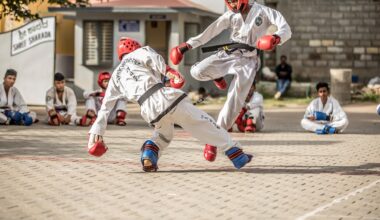
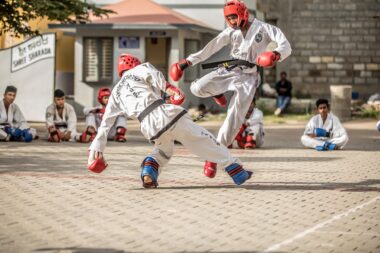
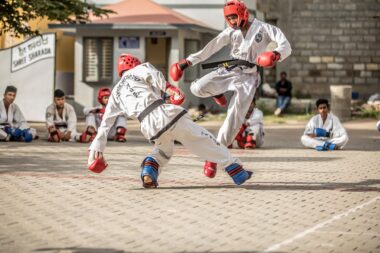
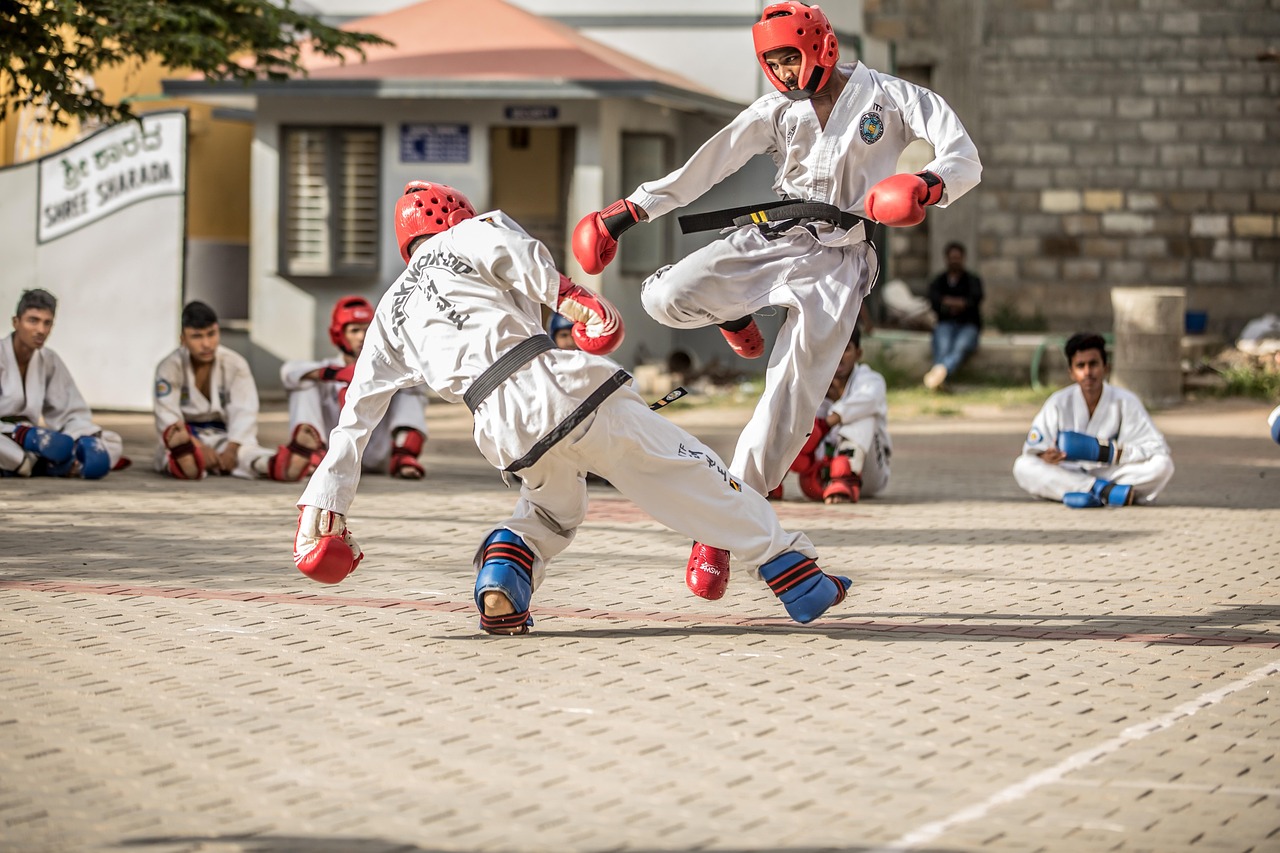
In taekwondo, challenges such as sparring require acute balance and coordination skills. Practitioners need to move fluidly while simultaneously assessing the opponent’s actions. This dynamic enhances reflexes and adaptability, which are critical components of effective martial arts. Additionally, the competitive aspects of taekwondo, like tournaments, create an environment where mastering balance and coordination are essential for success. Here, each competitor must demonstrate precise movements under pressure, enhancing their reflexes and promoting quick decision-making. These experiences not only strengthen physical proficiency but also boost mental focus, resilience, and strategic thinking important in various life situations beyond the competition mat.
Conclusion
In summary, participating in taekwondo offers numerous benefits primarily aimed at improving balance and coordination. The dynamic movements and precise techniques taught within taekwondo classes are designed to cultivate these vital skills, contributing to physical fitness. By engaging in structured forms and exercises, students can enhance their stability and agility, positively impacting their daily lives. Furthermore, the mental discipline gained through training empowers individuals to embrace challenges head-on. Therefore, pursuing taekwondo is an excellent way to develop balance, coordination, and overall well-being, making it a valuable martial art for enthusiasts of all ages.
To maximize the benefits of taekwondo on balance and coordination, it’s crucial to find a qualified instructor. They ensure that techniques are taught correctly while also providing personalized guidance based on one’s ability level. Furthermore, attending regular classes and participating actively in practice sessions fosters a safe environment for improvement. Taekwondo is a journey, and consistent effort will lead to significant progress over time. As one advances in rank, other training elements, including leadership and composure, also become integral. Therefore, nurturing balance and coordination through taekwondo leads to profound development, making practitioners more adept both in martial arts and life.