posture and its effects on speed and agility. Proper posture, defined as the alignment of the body in maintaining balance while standing, sitting, or moving, plays a crucial role in sports. Athletes often focus on their physical capabilities, such as strength and endurance, neglecting the importance of correct body mechanics. An athlete with good posture enhances performance by improving overall body efficiency, reducing fatigue, and lowering the risk of injury. Studies show that athletes who maintain proper posture can achieve a significant boost in speed and agility, leading to improved outcomes in competition. Consequently, understanding and training the body to adopt the optimal posture can be a fundamental aspect of an effective athletic training regimen. Coaches and trainers are hence encouraged to prioritize posture correction activities alongside strength and conditioning workouts, ensuring athletes can operate at their peak potential. Integrating these practices into training routines can encourage better movement patterns that promote long-term athletic success. It’s essential to remember that improved posture can facilitate smoother, quicker movements, benefiting athletes in their respective sports. Ultimately, this balance contributes to the overall athletic development and performance enhancement that is vital in competitive settings.
The impact of alignment goes beyond aesthetics as it directly correlates with functional strength. When athletes adopt improper posture, it can lead to various biomechanical dysfunctions, which affect overall speed and agility. For athletes, acquiring a deep understanding of the principles of body alignment helps in achieving peak performance standards. Maintaining a neutral spine, for instance, allows for optimized power generation during explosive movements, crucial in sports requiring bursts of speed or quick directional changes. Without this foundation, athletes may experience issues such as decreased mobility, instability, and increased injury susceptibility. The muscle imbalances created by poor posture can lead to compensatory movements, resulting in inefficient mechanics when executing skills. Complications from these patterns may include overuse injuries, preventing athletes from reaching their full potential in training and competition. Coaches need to evaluate athletes regularly, determining if any postural issues are present. Simple assessments and corrective exercises can transform an athlete’s ability to develop speed and agility effectively. As athletes work to optimize their posture, they not only improve their mechanics, but they also instill enhanced proprioception, allowing for better spatial awareness and movement control during performance.
Dynamic warm-up routines are increasingly recognized as essential to preparing athletes for optimal performance, specifically related to posture. Engaging in effective warm-up exercises helps activate muscle groups crucial for maintaining proper alignment during sports activities. Starting with a focus on major muscle groups, such as the legs, core, and shoulders, athletes can ensure their bodies are ready for the rigorous demands of their specific discipline. Additionally, incorporating dynamic stretches can enhance flexibility and mobility, contributing positively to body posture. By including postural elements in warm-up routines, athletes can improve their neuromuscular control, subsequently enhancing their speed and agility. Research indicates that warmed-up muscles respond more effectively to sudden changes in movement, which is critical when agility is a requirement in sports like soccer, basketball, or tennis. Dynamic warm-ups can set the tone for performance, enabling athletes to enact efficient movement patterns that carry through their training and competition. A structured warm-up should consist of various lunges, skips, and mobility drills that focus on maintaining a neutral spine and proper joint alignment. Consequently, this mindful approach lays the foundation for improved speed and agility during athletic execution.
The importance of core stability cannot be understated when examining the impact of posture on athletic performance. A strong core provides the necessary support for maintaining proper body alignment, enabling athletes to execute movements more efficiently. As athletes train to enhance their performance, exercises targeting core strength should become a primary focus. Engaging in activities like planks, rotational exercises, and balance work play a vital role in developing the core region. By strengthening the muscles around the pelvis and spine, athletes establish a more stable foundation, ultimately allowing for better posture during sports performance. Increased core strength leads to a heightened capacity to sustain control while executing movements at high velocities, thereby improving an athlete’s overall speed and agility. Furthermore, a stable core minimizes the risk of injury by providing protection to the spine and assisting in proper force distribution throughout the body. Coaches can incorporate various core-strengthening routines to encourage athletes to prioritize this vital aspect of their training. Understanding the interconnectedness of posture, core stability, and athletic performance empowers athletes to realize their full potential when competing.
Nutrition further plays an essential role in achieving optimal posture, speed, and agility among athletes. A balanced diet rich in essential nutrients impacts muscle function and strength, which directly affects athletic performance. Athletes should focus on fueling their bodies with wholesome foods, including lean proteins, healthy fats, and ample carbohydrates to support energy needs. Hydration also influences performance and posture, as it affects muscle elasticity and joint lubrication. Proper hydration can prevent joint discomfort and allow for free movement during athletic activities. Additionally, adopting a diet that supports muscle recovery contributes to reduced soreness and enhances overall performance during training and competition. Adequate nutrient intake aids in faster recovery, promoting a more consistent training routine. Coaches and trainers should educate athletes on the importance of nutrition and its direct correlation to posture. By emphasizing good dietary practices, athletes can optimize their training sessions, allowing them to enhance their speed and agility while maintaining proper posture. Ultimately, a well-rounded approach to nutrition combined with training provides a solid foundation for athletic success, supporting the goals athletes strive to achieve in their sports.
The significance of footwear choices should not be overlooked when discussing posture in sports. The right athletic shoes can contribute dramatically to a player’s foot positioning and align the body accordingly. This alignment starts at the ground and works its way up, influencing hip, knee, and spine alignment. Training shoes designed with proper cushioning and support can aid in maintaining an athlete’s posture while performing various movements. Shoes that don’t offer enough support or are poorly fitted can lead to alterations in movement distribution, causing athletes to compensate and possibly create injuries. It’s essential to consult with professionals to find the best footwear tailored to an athlete’s specific needs and sport. Custom orthopedic inserts may also assist in providing the necessary support for optimal posture during play. Coaches should encourage athletes to invest in high-quality footwear that aligns with their training rituals to prevent potential injuries. By integrating correct footwear into an athlete’s training regimen, athletes can significantly improve their speed and agility while reducing the risk of complications arising from incorrect posture during training or competition.
Lastly, the mental aspect of posture must be examined in connection with athletic performance. An athlete’s mindset plays a pivotal role in how they hold their body during training and competition. Positive visualizations and mental rehearsals can encourage athletes to develop an awareness of their posture, thus affecting their overall performance. Techniques such as mindfulness meditation can promote relaxation and decrease performance anxiety, fostering a more confident posture. This mental approach allows an athlete to execute movements effectively while maintaining composure. Additionally, psychological factors often influence physical manifestations; stress and anxiety can lead to tension in the body, altering posture negatively. By focusing on mental resilience and mindfulness, athletes can train themselves to hold optimal posture throughout their performances. Coaches should incorporate mental training techniques that promote effective strategies for understanding the connection between mindset, emotion, and physicality. A holistic approach to athlete training should incorporate both mental and physical elements, creating a balanced focus on posture. Understanding the mental side of posture cements athletes’ foundation for achieving peak performance in speed and agility.
posture and its effects on speed and agility. Proper posture, defined as the alignment of the body in maintaining balance while standing, sitting, or moving, plays a crucial role in sports. Athletes often focus on their physical capabilities, such as strength and endurance, neglecting the importance of correct body mechanics. An athlete with good posture enhances performance by improving overall body efficiency, reducing fatigue, and lowering the risk of injury. Studies show that athletes who maintain proper posture can achieve a significant boost in speed and agility, leading to improved outcomes in competition. Consequently, understanding and training the body to adopt the optimal posture can be a fundamental aspect of an effective athletic training regimen. Coaches and trainers are hence encouraged to prioritize posture correction activities alongside strength and conditioning workouts, ensuring athletes can operate at their peak potential. Integrating these practices into training routines can encourage better movement patterns that promote long-term athletic success. It’s essential to remember that improved posture can facilitate smoother, quicker movements, benefiting athletes in their respective sports. Ultimately, this balance contributes to the overall athletic development and performance enhancement that is vital in competitive settings.
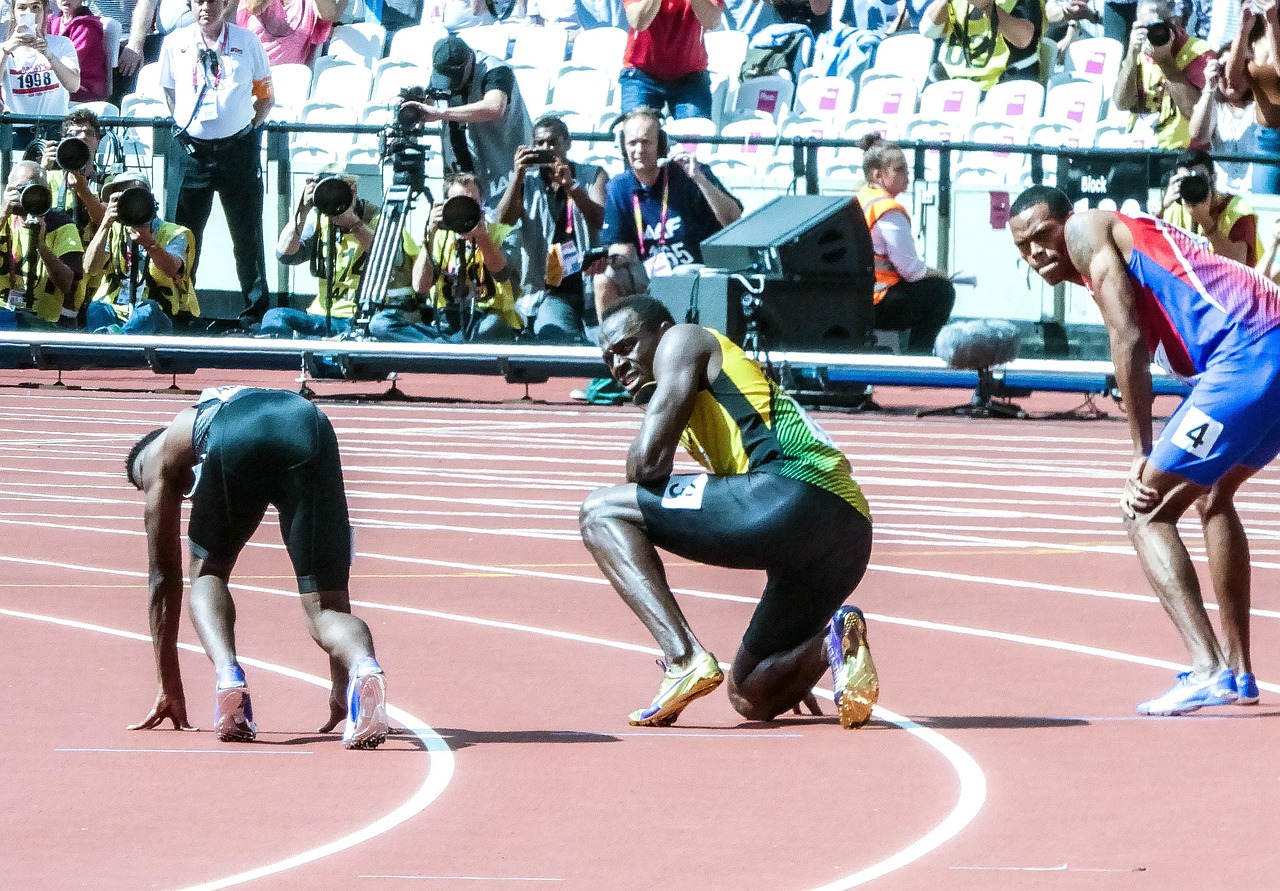
Posture and Its Effects on Speed and Agility