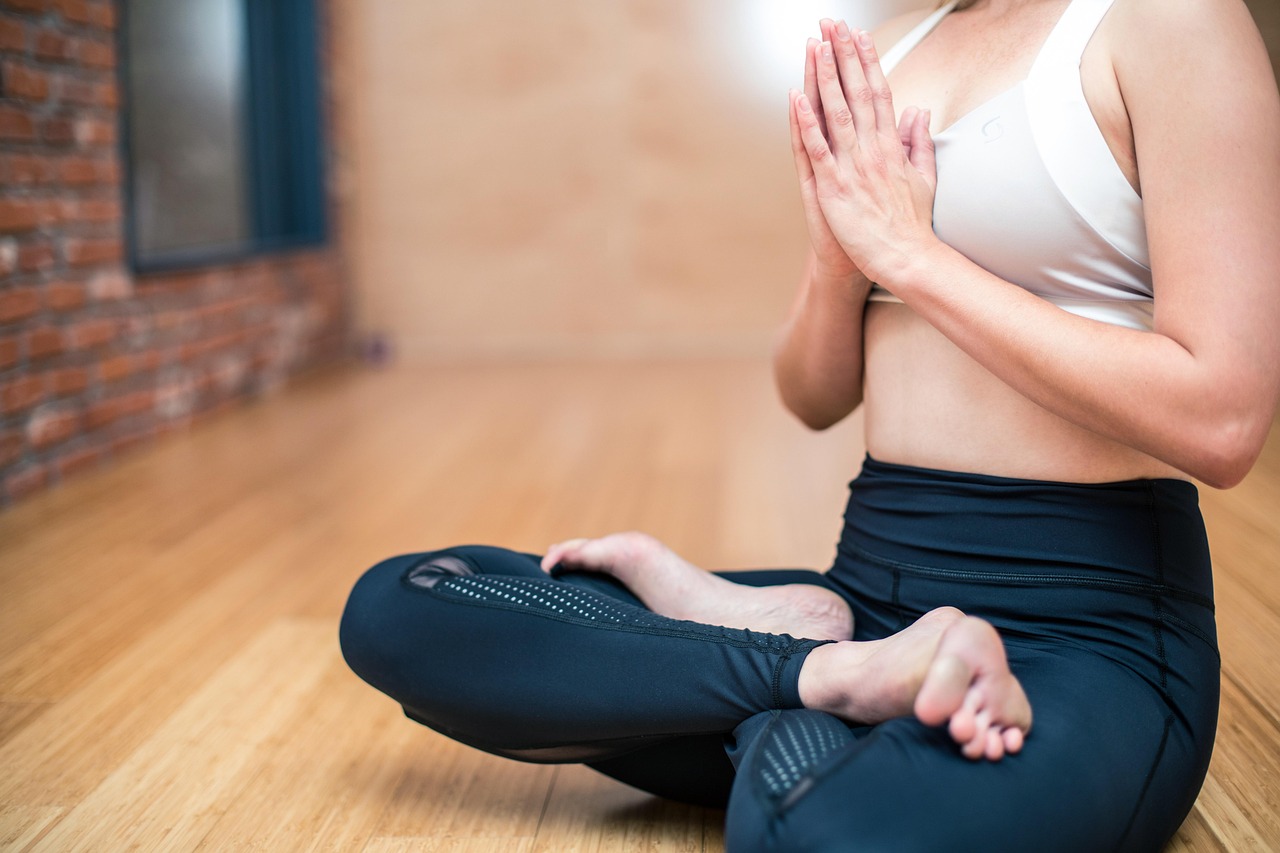

Mastering Breath Coordination for Yoga and Pilates
Breathwork significantly complements physical exercise by fostering a deeper connection between body and mind. It is essential for practitioners of both yoga and Pilates to master breath coordination. Utilizing breath effectively allows individuals to optimize their practice, improving performance and enhancing relaxation. By cultivating mindful breathing strategies, participants can maximize the benefits of their workouts and deepen their overall experience. Diaphragmatic breathing serves as one fundamental technique where inhalation and exhalation cultivate awareness. This practice influences core stability, encourages proper posture, and enables movement control. Integrating breath patterns with each movement creates a rhythmic flow that elevates exercise intensity and focus. Implementing breathwork can also help manage stress and tension, which are common during physical exertion. As individuals practice, they often discover a greater sense of calm and centeredness. Structured routines that emphasize the synchronization of breath with movement can lead to improved endurance and flexibility. The feasibility of breath training in various exercises demonstrates its versatility, making it an invaluable tool for enhancing physical fitness and overall well-being. Consistent practice leads to transformative results that benefit both the mind and body.
Strategically Coordinating Breath During Exercise
Breath coordination requires awareness and intentionality. Yoga encourages slow, controlled breathing, enhancing the practice’s meditative aspects. Participants utilize techniques such as inhaling for specific counts, followed by corresponding exhalations through the nose. Similarly, Pilates focuses on optimal lung function and core engagement. In this practice, breath aligns with specific movements, ensuring effective muscle activation throughout. The expansion of the rib cage during each inhalation enhances spinal mobility while fortifying muscle tone. Consistently working on breath control supports both strength training and flexibility enhancements. On a physiological level, breath regulation influences heart rate and muscle oxygenation levels. For instance, synchronized inhalation boosts endurance, while deliberate exhalation facilitates muscle recovery. Hence, practitioners are encouraged to experiment with different breathing patterns to uncover personal preferences. This practice applies equally whether engaging in moderate or vigorous activities. Moreover, individuals should feel empowered to receive guidance from instructors or develop their unique styles over time. The ability to focus on one’s breathing is an invaluable skill. Ultimately, mastering breath coordination while exercising leads to a more fulfilling experience, both physically and mentally. This harmony promotes overall wellness, promising residual benefits beyond the mat.
Mindfulness and Self-Awareness through Breath
Incorporating breathwork into exercise enhances self-awareness and mindfulness, crucial components for personal growth. With this approach, practitioners can actively engage with their emotions, reducing anxiety and stress. Focusing on breath helps anchor attention amidst challenging movements or poses. Developing a calm center becomes vital when physically exerting oneself, especially in practices like yoga and Pilates which require a delicate balance. Practitioners often find that breathing deeply fosters mental clarity, enhancing one’s ability to remain present during sessions. As one cultivates this focus, opportunities arise for self-reflection and evaluation. Self-awareness leads to understanding personal limitations and expansion into new realms of possibility. Those honing their breath coordination often experience heightened energy levels and improved motivation throughout their workouts. Moreover, integrating breathwork provokes curiosity about one’s performance, encouraging a growth mindset. Practitioners discover that positive reinforcement emerges from acknowledging small achievements. Exercises can also shift from choreographed routines to spontaneous movements guided by the breath. In this way, individuals become more adaptable during their sessions while cultivating enjoyment. Developing a mindful breath practice can enhance performance overall, leading to transformation both physically and emotionally.
Aligning Breath with Movements for Enhanced Flow
Aligning breath with movement can amplify outcomes, catalyzing deeper engagement and maximizing benefits during yoga and Pilates. Achieving synergy between breath and body increases physical awareness, allowing practitioners to push boundaries more safely. The relationship between breath and exercise helps promote functional movement patterns essential for daily life activities. Techniques such as breath counting during poses focus attention and improve overall concentration. Furthermore, maintaining steady and rhythmical breaths serves to regulate internal bodily systems, contributing to increased relaxation. For example, slow, deep breaths during challenging yoga poses enhance stability and balance. In Pilates, the use of exhalation during peak effort supports the body’s natural biomechanics, facilitating effective movement execution. Deep inhalations can create space in the body, allowing for better range of motion. Additionally, focusing on breath can increase the body’s flow state, leading to an invigorating practice where focus outweighs distractions. Creatively integrating breath-focused sequences ensures that individuals experience profound rewards physically, mentally, and spiritually during workouts. By cultivating this connection, practitioners observe differences in strength, flexibility, and emotional well-being, creating a holistic fitness routine fused with intentionality.
The Role of Breathing Patterns in Recovery
Understanding the importance of breathing patterns in recovery from physical exertion is paramount for maintaining health. Deep, intentional breaths during and after exercises can enhance recovery, allowing the body to rebuild energy levels. Following a rigorous session, practitioners should prioritize long, slow exhalations that activate the parasympathetic nervous system. This technique promotes relaxation, lowering heart rates and facilitating recovery. Moreover, breath awareness during cooldown phases can help mitigate tension accumulated throughout workouts. Engaging in breathwork assists the body’s natural healing processes, increasing oxygen flow and nutrient delivery to vital muscles. Individuals should also consider practicing guided meditations focused on breath to create a calming transition post-workout. Techniques such as progressive muscle relaxation often integrate breath awareness, promoting total body recovery. Utilizing breath to space out post-exercise reflection fosters a mindful culture around fitness. Developing skills in breathwork nurtures long-term resilience, crucial for balancing physical demands and stressors in our busy lives. Further, nourishing the connection between breath and recovery leads to a more profound acceptance of one’s abilities and limitations. Thus, cultivating these practices ultimately fosters holistic well-being.
Incorporating Breathwork for Improved Focus
Integrating breathwork into everyday routines cultivates focus beyond the exercise mat. The ability to harness breath encourages a deeper appreciation for mindfulness and its ability to improve concentration levels. Practitioners can incorporate micro-breathing exercises throughout daily life, transitioning away from periods of stress. Focusing on breath during hectic days helps regain a sense of calm, directing energy towards well-being. The simple act of inhaling deeply and exhaling slowly facilitates emotional regulation. Such practices bridge connections between mind, body, and spirit, cultivating unified energy. Pillars of yoga and Pilates emphasize holding awareness of breath, contributing vastly to clarity and control. In both practices, the pursuit of breath encourages feedback loops that reinforce positive habits. Over time, individuals may discover their productivity improves, strengthening mental resilience. Engaging in shorter breath sessions throughout the day can be refresher moments for deeper focus. An overarching objective becomes integrating these techniques so they complement existing daily activities such as work or social interactions. Workshop sessions may serve as valuable environments to explore incorporation strategies tailored to personal lifestyles. The goal remains to foster a sustained balance between one’s responses and choices from moment to moment.
Creating a Sustainable Practice for Lifelong Benefits
Establishing a sustainable breathwork practice enhances physical exercise and nurtures lifelong growth. Practitioners are encouraged to cultivate habits that prioritize breath-focused routines, reinforcing their commitment to health. Experimenting with different techniques aids in discovering what resonates personally. Individuals should aim to find enjoyable breath exercises to create consistency, promoting dedication towards a holistic wellness journey. Emphasizing variations allows exploration of breath techniques while still honoring the individual’s body and capabilities. Creating a supportive community is also invaluable, facilitating sharing experiences and strategies for maintaining breath practices. Engaging with others encourages accountability and motivation, producing positive outcomes in both fitness and personal development. Additionally, integrating breathwork into daily responsibilities transforms mundane tasks into opportunities for practice. As participants discover their unique balance, they begin to embody a sense of empowerment. In this regard, developing a sustainable breath practice ensures enduring wellness that transcends the physical realm. Ultimately, establishing these practices promotes resilience and promotes positive habits that support overall vitality. As breath coordination becomes second nature, individuals will continue to reap rewards for years, contributing to a fulfilling life experience.
Expanding Practices beyond Yoga and Pilates
While this article emphasizes breath coordination primarily within yoga and Pilates, the benefits extend far beyond these practices. Various physical activities such as running, swimming, or martial arts can greatly benefit from enhanced breath strategies. Applying breath awareness can lead to improved efficiency, endurance, and peak performance across numerous disciplines. Integrating breathwork into these activities fosters greater relaxation and mindfulness, essential for maintaining focus during high-impact movements. Practitioners should consistently explore breath techniques to maximize peaks of cardio-intensive activities, enhancing overall fitness. Moreover, breathing practices can assist in injury prevention by promoting flexibility and proper alignment. Gradually experimenting with different breathing patterns can create awareness and enhance enjoyment in diverse activities. The original intent of breathwork is to establish a holistic connection between mind, body, and spirit, irrespective of the chosen exercise. Cultivating the ability to adjust breath to match varying exercise intensities can lead to versatile and adaptive fitness practices. Ultimately, everyone will benefit from recognizing breath as an essential component of wellness and personal growth, ensuring that vitality can flourish throughout all aspects of life.