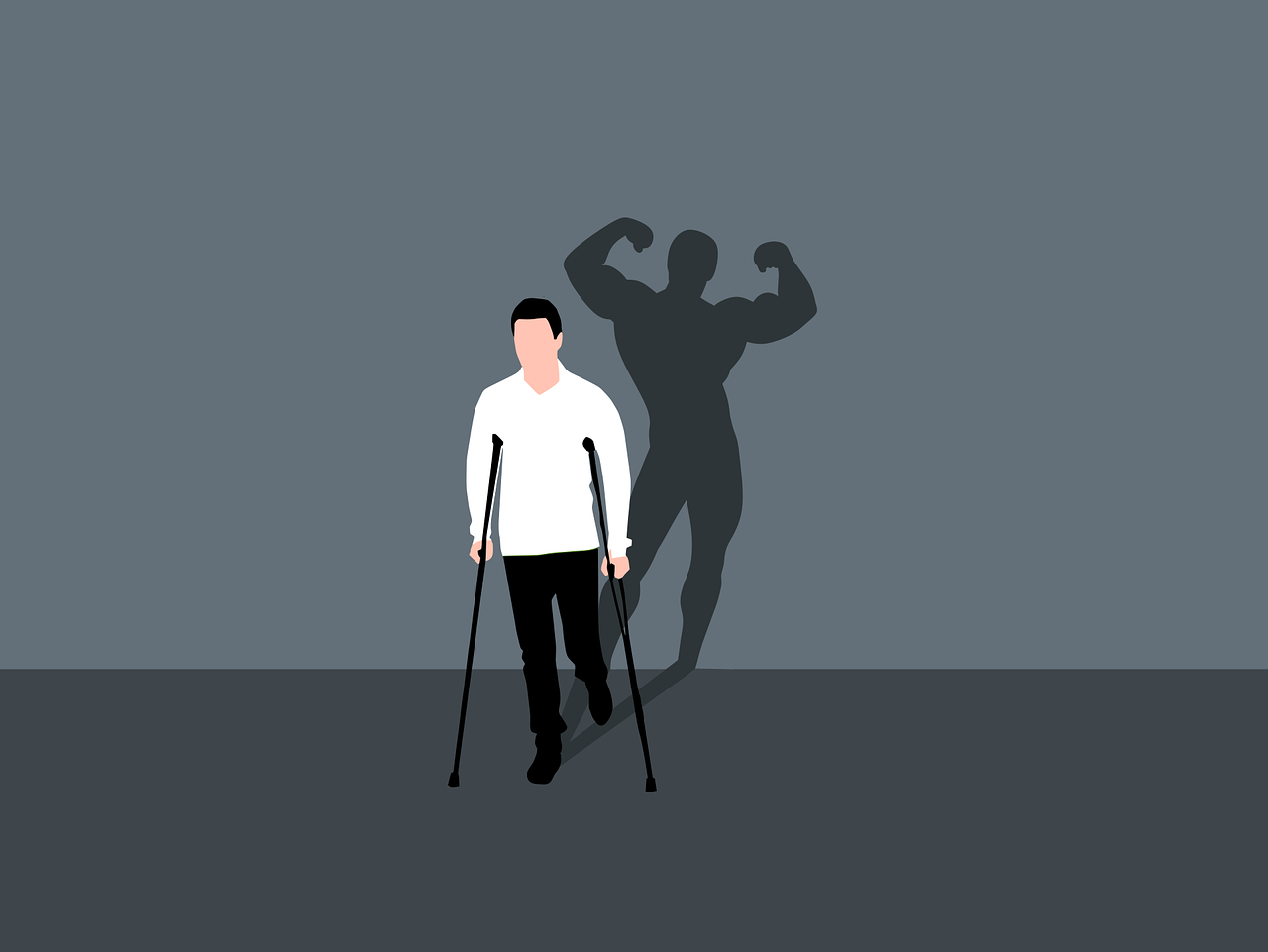

Dealing with Chronic Injuries: Staying Motivated to Heal
Chronic injuries can profoundly affect your physical well-being and mental health. When faced with this challenge, it’s crucial to stay motivated during your healing journey. One significant aspect to consider involves setting realistic goals tailored to your current physical capabilities. These goals should be Specific, Measurable, Achievable, Relevant, and Time-bound (SMART). For instance, instead of aiming to run a marathon, focus on daily stretches or light exercises that align with your recovery. Alongside your goals, keep a log of your progress to visualize improvement over time. Celebrate small victories, as they serve as powerful motivators. Sharing your journey with friends, family, or a support group can also enhance your motivation. Their encouragement may offer different perspectives on healing and keep you accountable to your goals. Moreover, listening to your body is essential. When symptoms arise, don’t push through the pain; instead, take it as feedback to adapt your approach. In doing so, you safeguard your well-being while fostering a positive mindset that is vital for successful recovery.
Understanding your injury is another critical component of staying motivated. Engaging thoroughly in research about your specific injury can enlighten you about its healing process. This knowledge can alleviate feelings of helplessness and empower you to make educated decisions regarding your treatment. Additionally, consulting with healthcare professionals to establish a comprehensive recovery plan may prove beneficial. These experts can guide you on effective therapies, exercises, and even lifestyle changes to facilitate your healing. Moreover, it’s essential to adopt a holistic approach towards healing. This can involve integrating mental exercises, such as mindfulness or meditation, alongside physical rehabilitation. Mental resilience plays a crucial role in recovery; practicing techniques such as visualization can help you maintain a positive attitude. Furthermore, establishing a regular routine that incorporates physical therapy, light exercises, and rest intervals can streamline the healing process. This structure makes it easier to remain dedicated to your recovery goals during challenging times. The journey from injury to wellness is often a marathon, not a sprint; hence, patience and persistence are key alliances in your path towards complete recovery.
Building a Supportive Environment
Creating a supportive environment is vital for staying motivated through your injury recovery. Surrounding yourself with positive influences and like-minded individuals can amplify your motivation significantly. Consider joining a community or a local fitness group that understands the challenges of dealing with chronic injuries. These networks not only provide important emotional support but also share strategies that have worked for others. Additionally, connecting with fellow individuals on a similar journey can foster a sense of camaraderie. Social interactions can diminish feelings of isolation, providing reassurance and strength when obstacles arise. Another significant aspect of an encouraging environment is ensuring your physical space promotes healing. Designate a comfortable recovery area at home, free from distractions. Keep motivational quotes visible to remind yourself daily of your resilience and strength. Incorporate elements that soothe the mind and body, such as plants, soft lighting, or comforting items. Utilizing technology, like fitness apps aimed at injury recovery, provide structured plans for rehabilitation. These elements contribute toward maintaining a focus on your journey and remind you of the progress you’re making every single day.
Nutrition is undeniably a crucial pillar of recovery. Maintaining a balanced diet is essential to support your body during this period of healing. Incorporate a variety of nutrient-rich foods, focusing on antioxidants and anti-inflammatory options. Foods such as berries, leafy greens, fatty fish, and nuts can aid in reducing inflammation, hastening your recovery process. Furthermore, staying adequately hydrated helps your body function optimally and transports essential nutrients to injured areas. Plan your meals ahead of time to ensure you consume the right nutrients consistently, and avoid convenience foods that could undermine your efforts. Additionally, it’s wise to consult with a nutritionist to tailor a diet plan specific to your recovery needs. Beyond food, consider supplementing with vitamins that may support bone and joint health, such as calcium, vitamin D, and omega-3 fatty acids. These adjustments not only boost your physical recovery but contribute positively to your emotional state as well. Nourishing your body during injury recovery sends a clear signal to yourself: you are prioritizing your well-being and committing to a path toward healing. This supportive environment nurtures enthusiasm and optimism about your recovery journey.
The Power of Mindset
The mindset you cultivate can profoundly affect your recovery process. Understanding that setbacks are a natural part of healing can help you maintain a positive outlook. Developing a growth mindset allows you to embrace challenges and see them as opportunities for improvement. Consequently, it becomes easier to stay focused on your long-term recovery goals. Engage in daily affirmations and visualize your recovery journey to maintain a motivated mindset. Regularly remind yourself of the strength and courage it takes to heal. Drawing inspiration from success stories of athletes or individuals who overcame similar injuries might also bolster your resolve. Their journeys can serve as testament to perseverance and dedication. Additionally, practicing gratitude during this time, focusing on what your body can do rather than what it cannot, can significantly uplift your spirits. Celebrate small, achievable victories, no matter how minor they seem. This practice fosters a sense of accomplishment that fuels motivation. Remember, emotions can fluctuate during recovery; if you find yourself feeling discouraged, recognize that your feelings are valid and reach out for support. This self-awareness is crucial as it helps you navigate through this complex journey.
Incorporating professional help into your recovery plan can be immensely valuable. Physical therapists, for instance, possess expertise that can help you navigate various rehabilitation strategies essential for your injury recovery. Tailored exercises guided by professionals enhance your healing process significantly, ensuring you’re working within safe limits. They illuminate the importance of gradual progress; this is vital for preventing re-injury and ultimately accelerating long-term recovery. Moreover, mental health professionals serve an important role in managing emotional well-being during this journey. Engaging in therapy lends support to cope with anxiety, stress, or feelings of frustration associated with the injury. Also, they provide techniques for maintaining mental clarity and resilience, essential for keeping motivation high. Group therapy settings may also offer camaraderie and shared experiences, fostering connections with those facing similar challenges. Remember, healing encompasses mind and body; fostering healthy relationships with professionals across both areas will help you surmount obstacles while simultaneously promoting an overall sense of well-being. This holistic approach inherently supports the motivation necessary for an effective recovery journey.
Conclusion and Looking Forward
As you navigate the journey of dealing with chronic injuries, understanding that motivation is a continuous effort is paramount. The complexity of recovery demands resilience, patience, and ongoing determination. A positive mindset intertwined with comprehensive support systems lays a solid foundation for steady healing progress. Embrace the importance of self-care and listen to your body; honoring its needs ensures you persevere as you work towards your goals. Celebrate each step forward, understanding that every small victory is significant in the grand scheme of your rehabilitation process. As you confront setbacks, actively seek out new strategies and adapt your approach. This flexibility demonstrates true strength and perseverance. Keep sight of the long-term benefits of your efforts, reminding yourself that recovery is not simply about returning to your pre-injury state. Rather, it presents an opportunity for growth, enhanced self-awareness, and newfound resilience. Lastly, maintain an open heart to the journey’s unexpected twists and turns. You possess the power to surmount challenges and emerge more robust, both physically and mentally, proving that motivation during recovery is not just a dream, but an attainable reality.