
Cultural Differences in Martial Arts Training Methods
Martial arts are deeply intertwined with the culture and traditions of their country of origin. In Asian countries like Japan, China, and Korea, martial arts training often reflects the philosophical beliefs and historical context of those societies. For instance, in Japan, the way of the warrior, known as Bushido, emphasizes discipline and respect. Training here includes not just physical techniques but also mental development rooted in Zen Buddhism. Conversely, in the United States, martial arts training tends to be more focused on competitive aspects and personal fitness. Training disciplines like Brazilian Jiu-Jitsu or Mixed Martial Arts prioritize real-world effectiveness and sporting competition. These cultural variations contribute significantly to the overall training methods employed. Different parts of the world have unique approaches that shape learners’ experiences and outcomes. Chinese martial arts, focusing on both internal and external techniques, promote harmony and balance. These cultural elements become more than just techniques; they embody lifestyles and philosophies, profoundly influencing martial arts practices across the globe.
In Korea, martial arts like Taekwondo incorporate elements of traditional culture, emphasizing respect and etiquette. Practitioners often engage in rituals before training sessions, such as bowing to instructors and fellow students. This formality is not present in all martial arts. In contrast, Western approaches may lean more toward informal training environments where camaraderie and teamwork take precedence. Cultural nuances dictate the way martial arts are taught and received. For instance, Asian cultures often value hierarchy and seniority in their training settings. This contrasts sharply with Western ideologies promoting equality among students and instructors. Furthermore, traditional Asian martial arts often involve extensive warm-ups and kata forms that have significant cultural meanings, while Western styles may prioritize sparring sessions or drills that emphasize quick learning. Each approach influences not just the learning outcomes but also the sense of community within dojos or studios. Understanding these differences can enhance one’s appreciation for martial arts and its diverse methodologies, activating more profound learning experiences for participants in varying environments.
Modern Adaptations and Global Influence
As martial arts spread worldwide, modern adaptations reflect intercultural exchanges as well as global influences on training methods. For example, the global growth of Mixed Martial Arts (MMA) showcases elements derived from various martial arts, blending techniques from Muay Thai, boxing, and wrestling. This adaptability allows practitioners to create hybrid styles, which challenges traditionalists who hold dear their unique legacies. Moreover, the rise of online training platforms has democratised access to martial arts knowledge. People from diverse cultural backgrounds now learn martial arts virtually, often without access to local schools or instructors. This global melting pot produces innovative training techniques that can take on various cultural significances depending on the participant’s background. Moreover, martial arts events like the Ultimate Fighting Championship (UFC) have further increased awareness and interest in various martial arts traditions worldwide. As observed, cultural exchanges can fundamentally influence both students and instructors, leading to new methods of instruction and learning that transcend geographical boundaries. This hybridization contributes to a rich tapestry of martial arts evolution amidst changing societal values.
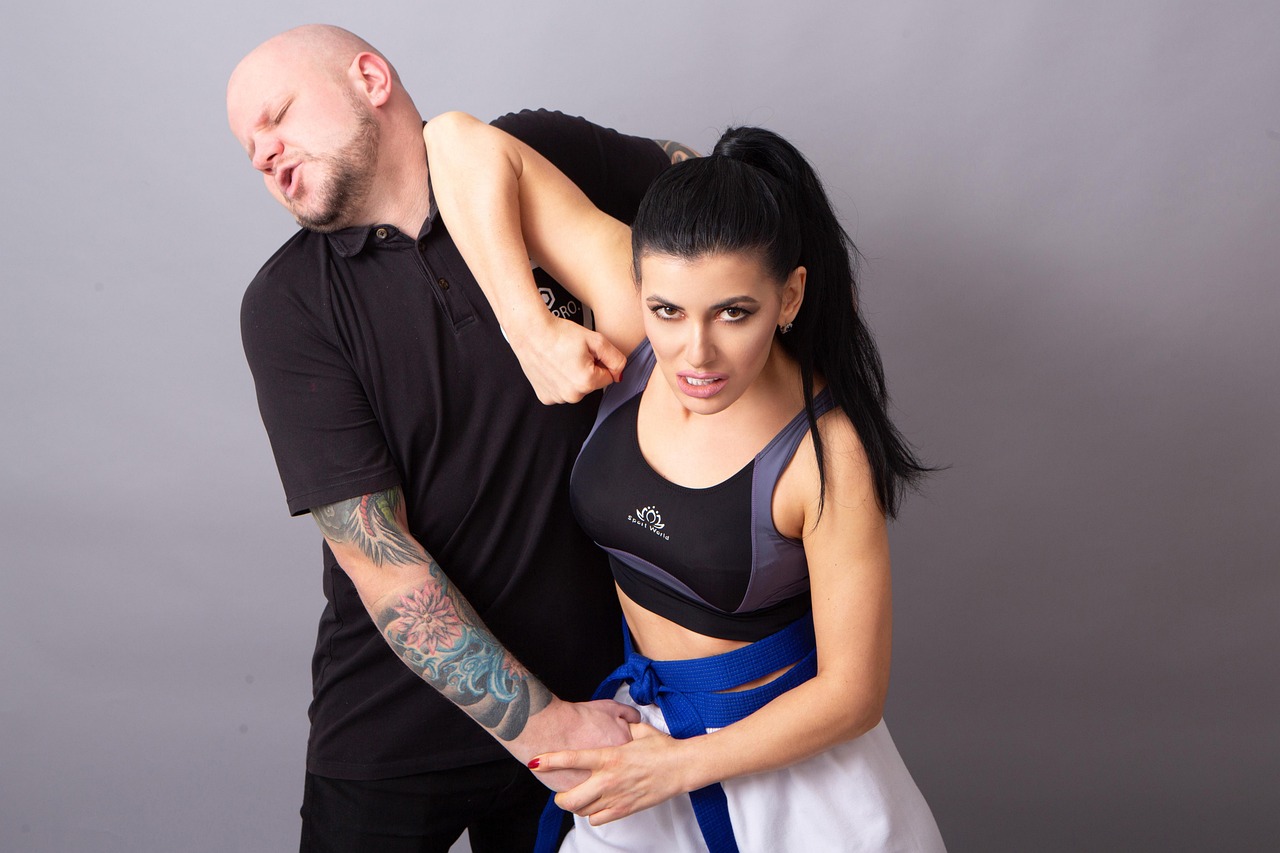
Women’s roles in martial arts training contexts have also vastly changed, showcasing cultural variations in gender equality and empowerment. In many Asian cultures, martial arts were historically male-dominated, as seen in traditional schools. However, globalization has inspired a shift toward more inclusive environments promoting women’s participation. In the West, mixed-gender classes are now common, where both men and women train together, exhibiting strength and equality. This contrasts sharply with more traditional schools that enforce gender segregation during training hours. Furthermore, women’s empowerment movements have propelled female martial artists into the spotlight, encouraging more women to pursue training. These cultural shifts lead to varied training methodologies that adapt to the growing participation of women. Some organizations explicitly focus on female self-defense, tailoring curricula to address the unique needs of women. Different motivations for participating—ranging from fitness to self-defense—shape training approaches. This evolution reveals how societal values can reshape martial arts training methods over time, nurturing environments wherein diverse participants can thrive regardless of gender or background.
Philosophy and Mindset in Training
Philosophical underpinnings in martial arts training are critical in understanding cultural differences. In many Asian martial arts, training is viewed not just as physical exercise but as a pathway to personal growth and self-discovery. For example, the practice of Tai Chi in Chinese culture emphasizes slow, deliberate movements, focusing on mindfulness and balance. This meditative focus contrasts with Western approaches, which may prioritize aggressive techniques and competitive spirit. In Brazilian Jiu-Jitsu, for instance, there is strong emphasis on technique, leverage, and strategy, which correlates with a different mindset compared to striking arts such as karate or boxing. Understanding these philosophical differences helps students align their training according to their personal goals—be it fighting skill improvement or spiritual development. Recognizing the significance of mindset in martial arts can help practitioners foster deeper connections with their training. This aspect is often overlooked, yet it plays a crucial role in developing not only technical skill but also character and integrity, which are fundamental values across martial arts traditions globally.
Challenges also arise when integrating diverse cultural training methods. In multicultural training environments, students may experience clashes of values or miscommunication between different backgrounds. This is particularly evident in dojos with students from varying martial arts traditions. Instructors must navigate these cultural landscapes carefully to ensure inclusive environments. International tournaments often highlight these differences, where martial arts athletes may present distinct styles rooted in their traditions. For example, the emphasis on respect may be seen more prominently in Asian styles compared to the assertiveness taught in Western forms. Misunderstandings can stem from these cultural training differences, leading to conflicts or tensions within training groups. Educators and instructors play essential roles in addressing these issues, employing culturally sensitive teaching methods. By fostering dialogue among students and encouraging respect for different traditions, schools can navigate misunderstanding effectively. Understanding the multifaceted nature of cultural differences in martial arts ultimately contributes to a richer, more fulfilling training experience for all parties involved.
Conclusion: Embracing Cultural Diversity
The cultural significance of martial arts goes beyond mere physical technique and training; it encapsulates a rich tapestry of history, philosophy, and social values. Embracing these cultural differences can lead to richer training experiences for practitioners worldwide. The diverse training methodologies and philosophies offer unique insights that allow students to celebrate this diversity, experience different perspectives, and learn from one another. The interactions across cultural lines promote mutual respect and understanding, creating a strong sense of community that rises above individual styles. Moreover, as martial arts continue to become a global phenomenon, recognizing these differences will lead to innovative adaptations that keep the art alive and relevant. By fostering an atmosphere of openness, practitioners can enhance their martial arts journey, take lessons from various traditions, and build bridges across cultures. This aspect of martial arts sets the stage for future generations who will learn not only the techniques but the philosophies that bind different cultures together under a shared passion for martial arts, transcending barriers and forging friendships along the way.