
The Science Behind Fitness Gains in Parkour Groups
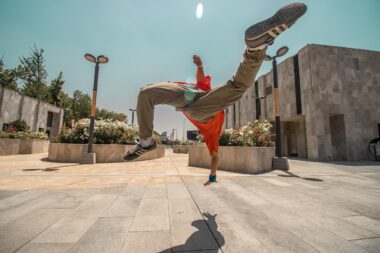
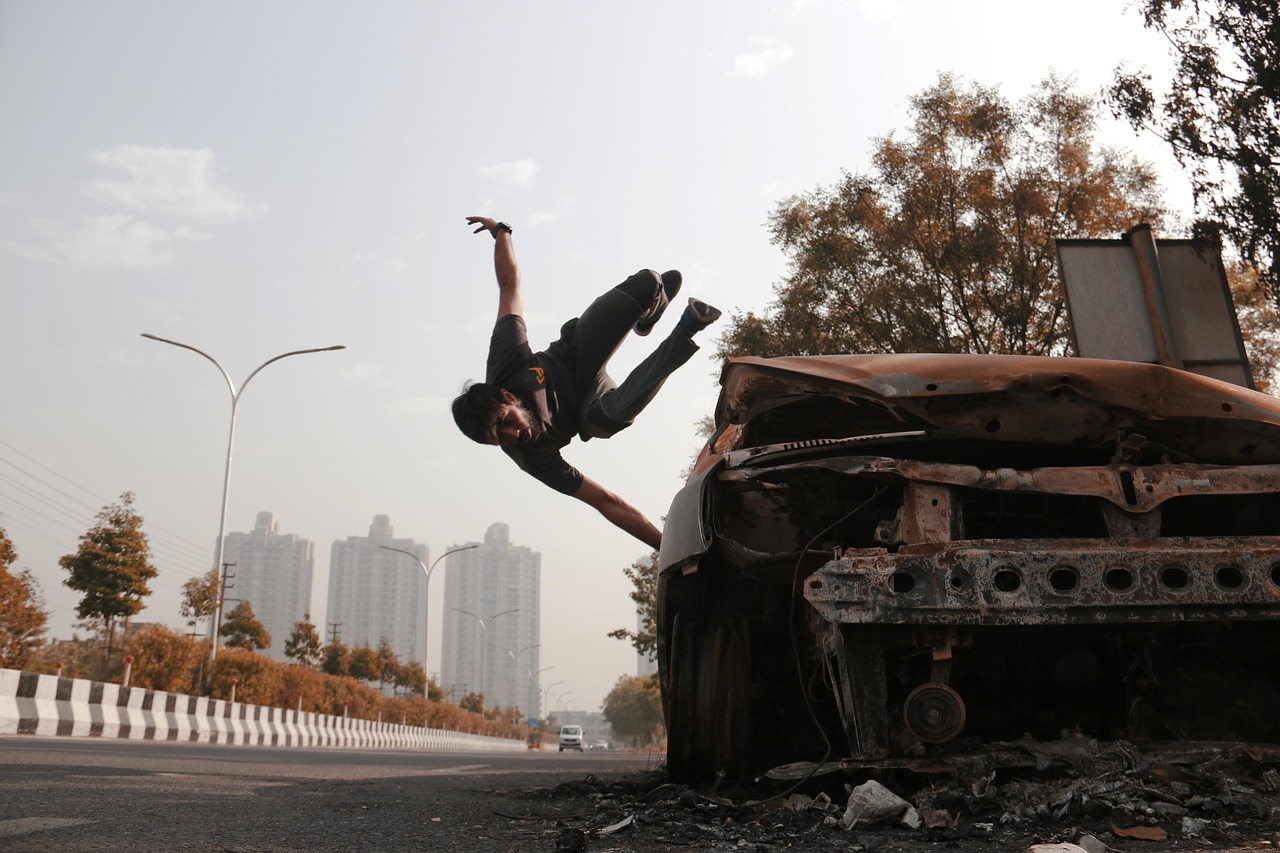
Parkour, an acrobatic discipline emphasizing movement and agility, has transcended its thrilling roots. It promotes physical fitness benefits that are deeply intertwined with certain fundamental scientific principles. In parkour groups, participants engage in various activities designed to improve their overall health. This multifaceted training regime includes strength, endurance, and flexibility exercises, each targeting different muscle groups. Ultimately, the combination of these exercises leads to significant fitness gains. As practitioners navigate through urban landscapes, they face physical and mental challenges that enhance coordination, agility, and spatial awareness. This way, parkour takes traditional fitness training a step further by melding physical achievement with a practical application. Additionally, the social aspect of engaging in parkour with others fosters camaraderie and community. This environment provides encouragement and motivation to work harder while executing movements. Therefore, practicing in groups creates a unique blend of recreational fun and intense physical improvement, making it appealing to a broad audience. Joining a parkour group is not merely about learning tricks; it’s about cultivating a lifestyle centered around fitness, personal growth, and creativity.
Originally, parkour was shaped by the need for practical escape and urban navigation, but it has morphed into an expressive art form. Participants engage in various skills, including vaulting over obstacles, climbing, and jumping. To unlock maximal fitness gains, consistent training is paramount. This dedication leads to an increase in muscle strength, coordination, and proprioception – the awareness of one’s body in space. When done as a group, parkour activities enhance the social experience, providing a support system that individuals might lack while training alone. Research consistently shows that the social aspects of group fitness encourage adherence to exercise. Those participating in parkour classes report higher motivation levels and enjoy a learning environment built on shared experiences and feedback. Each session can involve structured workouts that combine technical skills and physical conditioning. By alternating between high-energy activities and rest periods, the body experiences an effective strength and aerobic workout. Additionally, the inclusion of variety ensures practitioners remain engaged and challenged while tracking their progress over time. Through ongoing practice in a parkour group, individuals witness remarkable changes in their physical capabilities.
Biomechanics of Parkour Training
The biomechanics of parkour reveal the remarkable interplay between strength, technique, and momentum. Each movement requires precise positioning and a solid understanding of body mechanics to minimize injury while maximizing performance. This discipline includes dynamic movements that need explosive strength combined with body control. Studies indicate that participants often develop greater muscular endurance, which can lead to improved performance not only in parkour but in other physical activities as well. When practitioners care about their form, they build muscle memory that enhances their overall efficiency during parkour training. In this way, mechanics play an essential role in effective training. Understanding physics, such as energy transfer and angular momentum, can equip practitioners with tools to refine their skills further. For instance, when executing a precision jump, the landing must be controlled to avoid injury. Improving such techniques evolves with practice and group guidance over time. Groups may provide instructors who can demonstrate techniques, foster collaborative learning, and enable personalized feedback. Consequently, this sharing of knowledge can help practitioners discover new ways to approach obstacles, reducing time spent on trial and error and promoting faster skill acquisition.
Building a Supportive Community
The sense of community within parkour groups fosters motivation and enhances fitness outcomes. Participants often encourage each other, leading to an atmosphere in which individuals feel more comfortable pushing their limits. Psychological factors contribute significantly to fitness gains, as group dynamics can motivate someone to attempt difficult moves they might otherwise avoid alone. Studies suggest that positive reinforcement from peers boosts confidence and resilience, essential traits for those tackling challenging movements. Moreover, the shared experience of overcoming obstacles cultivates friendships, further solidifying a social support system. In parkour, training together provides unique opportunities to learn from one another, as participants observe diverse techniques and perspectives. As they engage in practices that require teamwork and cooperative efforts, members find a sense of belonging. Beyond the physical gains, this emotional support can have profound impacts on mental health as well. Group members celebrate each other’s successes, creating a network of accountability and encouragement. This bond can drive practitioners to commit more fully to their fitness journeys, transforming personal challenges into communal triumphs that echo throughout the parkour community.
In conjunction with mental benefits, parkour also emphasizes the importance of adaptability and functional fitness. As individuals traverse diverse terrain, they learn to modify their movements based on environmental conditions, further enhancing their physical capabilities. This adaptability is critical, as it equips practitioners to perform efficiently during everyday activities. Functional fitness teaches body awareness and practical strength, vital attributes that extend beyond parkour and into daily life. These movement patterns focus on performance in real-world situations, allowing participants to tackle obstacles with confidence and agility. Engaging in parkour within a group setting amplifies these advantages, as members share various adaptation strategies for navigating challenges. Training indoors or outdoors can further expose participants to different surfaces and heights, emphasizing various agility techniques. This diversity in training environments fosters resilience and innovative thinking in movement solutions. Consequently, emotional and psychological growth accompany functional fitness improvements. As participants evolve and gain confidence in their movement, they find themselves becoming not only better practitioners but also more adaptable individuals in all aspects of their lives.
The Role of Nutrition in Fitness Gains
Progress in parkour, like any fitness endeavor, is deeply influenced by nutrition and diet. Proper nutrition plays a significant role in maximizing training gains and overall performance. As participants engage in high-intensity training sessions, they must focus on their dietary choices to fuel their bodies efficiently. A well-balanced diet rich in proteins, healthy fats, and carbohydrates supports muscle repair and growth, providing the necessary energy for sustained activity. Furthermore, hydration is vital for optimal performance, as it affects overall physical abilities. Group environments can promote healthy habits, allowing members to share nutrition tips and meal ideas that strengthen their whole community. Individuals can swap recipes, meal prep strategies, and motivate each other to maintain their dietary goals. By prioritizing nutrition, participants can elevate their fitness levels while ensuring their bodies remain strong and capable of performing parkour’s demanding activities. Additionally, addressing recovery needs through nutritional support allows practitioners to minimize fatigue and maximize training efficiency. With the right nutritional foundation, parkour practitioners can achieve their desired fitness outcomes effectively and sustainably.
As practitioners delve deeper into the parkour community, they also discover the significance of injury prevention strategies. Engaging in any high-impact physical activity, such as parkour, carries inherent risks, making awareness of injuries and their prevention essential. This group environment encourages open discussions about common injuries and effective modalities for rehabilitation and recovery. Practitioners can learn proper warm-up techniques, recovery methods, and the importance of listening to their bodies. Moreover, attending workshops led by experienced instructors can enhance injury prevention knowledge, arming practitioners with effective tools. Practicing proper techniques and focusing on strengthening surrounding muscle groups fosters resilience against injuries. Parkour groups also emphasize the significance of rest days, allowing the body to recover before facing new challenges. By practicing injury prevention and prioritizing recovery, participants ensure they can continue to pursue their parkour journey effectively. This proactive approach integrates well within the community, reinforcing the idea that taking care of one’s body is not a solo endeavor but a collective responsibility. Ultimately, prioritizing safety leads to longevity and sustained success in parkour.
Through exploring the science behind fitness gains in parkour groups, practitioners encounter a holistic approach to physical fitness, mental well-being, and community engagement. This unique discipline combines strength, agility, and adaptability training to develop remarkable functional fitness levels. Group dynamics enhance social interaction, providing motivation and emotional support, which are essential for long-term success. Emphasizing the biomechanics of movement, individuals can refine their technique to maximize efficiency and minimize the risk of injury. Active engagement with nutrition and injury prevention serves to bolster performance, ensuring a well-rounded approach to training. Ultimately, parkour groups create an environment that fosters personal growth and mutual support. By embracing the principles of parkour, individuals not only achieve fitness gains but also transform their perspective on exercise, seeing it as an exciting, communal endeavor rather than a solitary task. Those who train together discover stronger connections, shared goals, and the joy of overcoming obstacles collectively. As such, parkour demonstrates that fitness is not just about the end result but rather about the journey and the companions we share alongside it.