
The Role of Yoga in Mindfulness-Based Stress Reduction
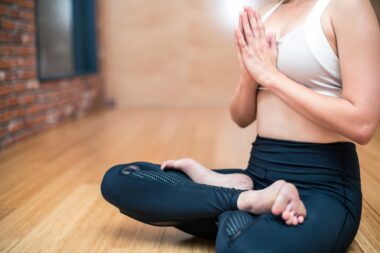
Yoga has gained significant popularity as an effective method for mindfulness-based stress reduction, particularly for individuals dealing with mental disorders. This ancient practice includes various postures, meditation techniques, and breathing exercises aimed at enhancing both physical and mental well-being. Regular participation in yoga classes can help reduce stress levels, promote relaxation, and foster a deeper mind-body connection. Numerous studies have demonstrated that engaging in yoga can lead to decreased anxiety, depression, and overall emotional distress. Yoga encourages practitioners to be present in the moment, helping to cultivate mindfulness and self-awareness. Individuals learn to observe their thoughts and feelings without judgment, leading to improved emotional regulation. As awareness grows, so does the ability to manage stressful situations more effectively. Furthermore, yoga promotes a sense of community, allowing participants to form social bonds, which can be beneficial for mental health. By integrating physical movement with mindfulness practices, yoga serves as a powerful tool for those looking to manage stress and improve their mental health. This holistic approach encourages individuals to embrace a healthier lifestyle, ultimately enhancing their quality of life.
In recent years, mindfulness-based stress reduction (MBSR) programs have gained traction in therapeutic settings due to their efficacy in addressing various mental health issues. These programs often include elements of yoga, highlighting its importance in managing stress and anxiety. MBSR typically combines meditation, mindful breathing, and yoga practices to help individuals cultivate awareness of their thoughts and feelings. By participating in these programs, individuals can learn tools to navigate life’s challenges more effectively. Through the integration of yoga, MBSR creates a supportive environment that encourages participants to explore their thoughts and emotions without criticism. This non-judgmental space facilitates a deeper understanding of the self. Research has shown that regular engagement in MBSR programs leads to significant improvements in mental health outcomes for those struggling with disorders. The combination of mindfulness practices and physical activity promotes resilience, enabling individuals to cope better with life’s stressors. In essence, yoga acts as a catalyst within MBSR, providing participants with the physical and mental tools they need to foster resilience and emotional well-being.
Benefits of Integrating Yoga into Mental Health Practices
Integrating yoga into mental health practices offers a multitude of benefits for individuals experiencing mental disorders and stress-related issues. First and foremost, yoga enhances emotional regulation, allowing individuals to respond more mindfully to stressors rather than reacting impulsively. Additionally, the physical aspects of yoga promote relaxation through the release of tension stored in the body. This physical release is essential, as stress often manifests in tight muscles and pain. Furthermore, the meditative components of yoga encourage individuals to cultivate self-compassion and acceptance. By fostering a positive relationship with oneself, individuals can combat negative self-talk and build a stronger sense of self-esteem. Yoga also encourages connection with others, as practicing in groups allows for the development of social support networks. These connections can prove invaluable when navigating mental health challenges. Moreover, yoga facilitates better sleep patterns, which are crucial for emotional well-being. Improved sleep contributes to enhanced focus, clearer thinking, and ultimately, greater resilience against stress. Consequently, yoga serves as a comprehensive tool within mental health frameworks, addressing both psychological and physical dimensions of wellness.
The practice of yoga can also enhance mindfulness, a key component in managing stress. Engaging in mindful movement through yoga allows individuals to concentrate on their breath, body sensations, and mental state. This focus fosters a greater awareness of the present moment, which is beneficial for those struggling with anxiety and ruminative thoughts about the past or future. Furthermore, yoga practices often incorporate guided meditations, helping individuals cultivate a state of calm and tranquility. This practice encourages an appreciation for the body and all its capabilities, promoting body positivity and self-acceptance. By consistently practicing yoga, individuals can develop stronger coping mechanisms that aid in navigating life’s complexities. Additionally, yoga teaches patience and persistence, qualities that are paramount in achieving mental clarity and emotional stability. As practitioners learn to embrace impermanence and fluctuations in mood, they become more adept at handling setbacks. On a neurological level, consistent yoga practice has been shown to alter brain chemistry, potentially increasing the production of neurochemicals that enhance mood and reduce anxiety. This holistic approach to mental wellness empowers individuals to access their inner strength and resilience.
Creating a Yoga Routine for Stress Reduction
Establishing a regular yoga routine can greatly enhance mindfulness-based stress reduction efforts for individuals dealing with mental disorders. A routine does not have to be complex; even short daily practices can yield significant benefits. Beginners can start with just 15 to 20 minutes a day, focusing on basic postures and breathing techniques. Incorporating gentle stretches and holding poses for several breaths can foster relaxation and awareness. Gradually increasing the duration and intensity of the practice can further enhance its effectiveness. Many choose to blend online classes or community classes with solo practice for additional motivation and social interaction. Furthermore, keeping a journal can assist individuals in tracking their progress and reflections on their practice. The act of writing can be therapeutic, helping to process thoughts and emotions. It can serve as a valuable tool in identifying triggers and advances made in emotional regulation. Also, cultivating mindset perspectives, such as gratitude and self-compassion, while practicing yoga can further reinforce benefits associated with MBSR. Combining self-reflection with yoga can enhance emotional resilience, equipping individuals with improved tools to face life’s hardships.
In conjunction with yoga, additional mindfulness practices can be utilized to bolster mental health and stress reduction efforts. Techniques such as mindful breathing, meditation, and visualization can complement physical yoga practices and deepen the stress-reducing experience. Mindful breathing helps individuals connect with their breath and body, centering themselves when experiencing overwhelming emotions or stress. Meditation enables practitioners to cultivate focus and clarity, enhancing their ability to manage negative thought patterns. Visualization techniques allow individuals to create mental imagery that promotes relaxation and a sense of safety. These practices can be seamlessly integrated into a yoga session or practiced independently based on needs and preferences. Through the collaborative effort of movement, breath, and mental focus, individuals can build a comprehensive toolkit for handling stress. Emphasizing the synergy between yoga and other mindfulness practices can foster overall mental well-being. Continual engagement with these practices can lead to cumulative benefits over time, creating a foundation for sustained emotional health. Furthermore, individuals may find joy in exploring various techniques, ultimately discovering personal preferences that resonate with their unique experiences.
Conclusion: Embracing Yoga for Mental Wellness
Ultimately, embracing yoga as a core component of mindfulness-based stress reduction can significantly improve mental wellness among individuals facing challenges. Yoga facilitates a comprehensive approach to healing by addressing both the mental and physical aspects of stress. With the combination of mindful movement, breath awareness, and community support, practitioners can embark on transformative journeys towards emotional resilience. Regular practice not only provides immediate relaxation but also instills long-term coping mechanisms that improve overall quality of life. Encouraging individuals to seek out resources, such as certified yoga instructors or therapeutic programs, can enhance their experience and ensure they receive appropriate guidance in their practice. As more individuals turn to yoga and mindfulness techniques, the overall awareness of mental health is likely to increase within society. Breaking down the stigma surrounding mental health issues can foster acceptance and encourage individuals to seek help. By integrating yoga into daily routines, individuals can create spaces for self-care and healing. Consequently, yoga emerges as a powerful ally in the pursuit of mental wellness, helping individuals navigate their paths with grace and strength.
Yoga has gained significant popularity as an effective method for mindfulness-based stress reduction, particularly for individuals dealing with mental disorders. This ancient practice includes various postures, meditation techniques, and breathing exercises aimed at enhancing both physical and mental well-being. Regular participation in yoga classes can help reduce stress levels, promote relaxation, and foster a deeper mind-body connection. Numerous studies have demonstrated that engaging in yoga can lead to decreased anxiety, depression, and overall emotional distress. Yoga encourages practitioners to be present in the moment, helping to cultivate mindfulness and self-awareness. Individuals learn to observe their thoughts and feelings without judgment, leading to improved emotional regulation. As awareness grows, so does the ability to manage stressful situations more effectively. Furthermore, yoga promotes a sense of community, allowing participants to form social bonds, which can be beneficial for mental health. By integrating physical movement with mindfulness practices, yoga serves as a powerful tool for those looking to manage stress and improve their mental health. This holistic approach encourages individuals to embrace a healthier lifestyle, ultimately enhancing their quality of life.