
The Role of Hydration in Accurate Body Composition Analysis
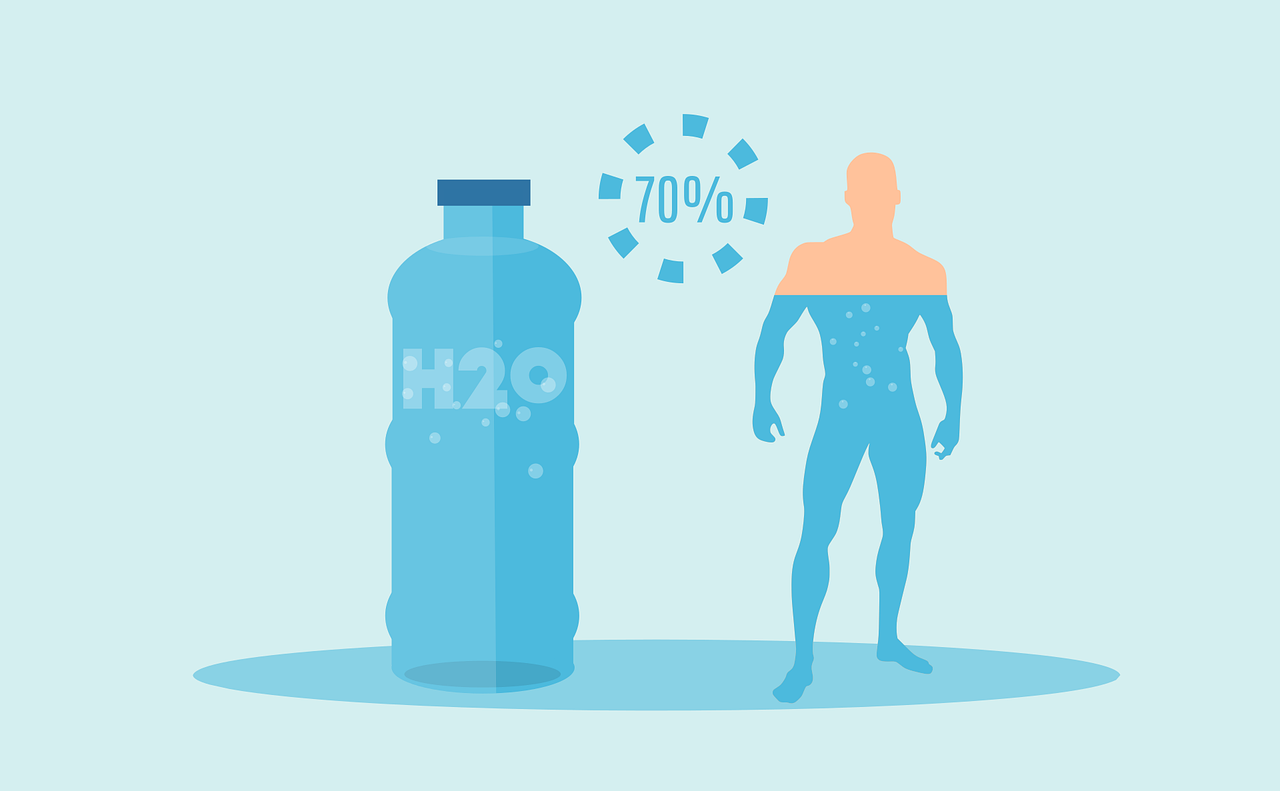
Understanding body composition is crucial for evaluating health and fitness effectively. Hydration is a key component that influences body composition measurements. Water makes up a significant portion of our body weight, and even small fluctuations in hydration levels can distort measurements of fat and muscle mass. This variance can lead to misinterpretation of a person’s health status or body fat percentage. For instance, individuals may appear to have higher body fat due to dehydration, which can skew results from devices that use bioelectrical impedance analysis (BIA). Without proper hydration, individuals might underestimate their lean muscle mass, leading to misguided fitness goals. Accurate body composition analysis must account for hydration status to ensure reliability. Therefore, measuring body composition after adequate hydration can yield more trustworthy results. This requires individuals to consume sufficient water before assessments. Moreover, regular hydration can enhance performance and recovery, making it essential for those engaged in physical training programs. Being cognizant of hydration levels can optimize the analysis and provide a true reflection of fitness and health. Therefore, maintaining optimal hydration should be a priority in health and fitness assessments.
Effective hydration strategies involve awareness about water intake. The body loses water through various processes, including sweating, urination, and respiration. Thus, it’s critical for individuals to replenish fluids to maintain their optimal hydration levels. For those undergoing body composition analysis, it is advised to consume water consistently throughout the day rather than in large quantities before the test. This ensures that one maintains a more stable hydration level. The use of diuretics or engaging in dehydration practices before testing can significantly affect results and lead to an inaccurate representation of body composition. Understanding the body’s signals for thirst can aid in effective hydration management. Instead of being reactive, proactive hydration strategies should be employed. Incorporating high-water content foods, such as fruits and vegetables, alongside regular water intake can enhance hydration status as well. Individuals should also monitor their specific hydration needs based on activities, climate, and personal health conditions. Keeping track of daily water intake is advisable for both athletes and general populations. Implementing these strategies not only aids in accurate body composition analysis but also promotes overall health, vitality, and wellness among individuals.
Effects of Dehydration on Measurement
Dehydration can severely impact body composition analysis by causing misleading interpretations. When the body is dehydrated, it often results in a temporary reduction of total body weight, leading to an overestimation of body fat percentage. The rationale behind this is straightforward; most body composition analyzers factor in water content to determine metrics such as body mass index (BMI) and fat mass. Consequently, the misrepresentation may lead to individuals perceiving themselves as less fit than they actually are. This misconception can hinder motivation and skew their intended fitness goals. Moreover, dehydration not only skews fat measurements but can also negatively influence energy levels, muscle performance, and recovery times. Adverse effects from inadequate hydration often manifest in fatigue, decreased strength, and increased risk of injury during exercise. Therefore, achieving a proper hydration balance is essential, particularly when undertaking a body composition analysis. Individuals should be encouraged to maintain adequate hydration levels leading up to assessments to ensure that the measuring tools can provide accurate and reliable results. Implementing regular hydration routines can prevent the complications that arise from such measurement discrepancies, fostering a healthier approach to fitness.
Furthermore, understanding hydration levels during body composition analysis has broader implications for health and wellness. Individuals who are consistently dehydrated may experience ongoing issues such as metabolic slowdown, fatigue, and impaired cognitive functions. Implementing hydration education into fitness programs can facilitate a holistic approach towards bodily health and fitness. It’s not solely about caloric intake or physical training; hydration influences energy allocation and nutrient transportation, making it a foundational health component. For athletes, the benefits of proper hydration extend beyond measurements. Adequate fluid intake increases endurance, enhances performance, and improves recovery, ensuring that they can maximize their training without the risks associated with dehydration. Health care providers and fitness trainers should emphasize the pivotal role hydration plays, not just in accurate analysis but in overall well-being. In doing so, they equip individuals with better tools for achieving their health goals and ensuring longevity in their exercise regimens. By addressing hydration as a priority element, both personal health and exercise performance can significantly improve.
Strategies for Optimal Hydration
To maintain optimal hydration levels conducive for accurate body composition analysis, several strategies can be employed. Regularly monitoring water intake is essential, and individuals should strive for a routine that ensures sufficient fluid consumption throughout the day. Investing in a reusable water bottle can be beneficial, as it acts as a constant reminder to stay hydrated. Setting reminders or utilizing hydration-tracking apps are modern solutions for some individuals. In addition, integrating hydration-rich foods into meals can substantially aid in achieving hydration goals. Foods prominently featured in this category include cucumbers, oranges, and lettuce, each contributing to fluid intake. Furthermore, it is advised to limit consumption of alcohol and caffeine which can act as diuretics, potentially leading to unwanted dehydration. Staying mindful of weather conditions is also paramount, as individuals may require increased hydration during hot or humid climates. Testing body weight consistently before and after workouts can provide insights into fluid loss, guiding hydration strategies post-exercise. All these methodologies collectively contribute to an effective hydration framework, ensuring that individuals can achieve and maintain their body composition goals accurately.
Lastly, education plays a vital role in sustaining effective hydration practices. Individuals should be informed about the signs of dehydration such as dry mouth, fatigue, or decreased urine output. Recognizing these signs will empower them to act promptly and adjust their hydration accordingly. Workshops and informational sessions can be very effective for communities and fitness centers in educating individuals about the importance of hydration concerning health and body composition analysis. Additionally, healthcare professionals can integrate hydration advice into routine check-ups, offering personalized strategies for patients. Incorporating this into regular fitness assessments will build greater awareness of hydration necessity. Being proactive about hydration education can establish better habits within communities, leading to enhanced performance and overall health. This focus on hydration will prove invaluable, as individuals embark on their fitness journeys armed with the knowledge necessary for improvement and recovery. By prioritizing hydration, the potential for achieving accurate body composition will certainly transform health aspirations and objectives.
Conclusion: Embracing Hydration for Success
In conclusion, hydration is a crucial factor in achieving accurate body composition analysis. It has wide-ranging impacts on measurements and overall health, emphasizing its importance in fitness regimens. With hydration directly affecting weight evaluation, muscle performance, and recovery, no aspect of physical wellness should overlook its significance. Health professionals and fitness enthusiasts alike must prioritize hydration strategies to ensure optimal results during body composition assessments. Providing appropriate resources for monitoring and improving hydration practices serves the community in a substantial way. Consistent efforts to increase hydration can redefine the relationship individuals have with their bodies, ultimately contributing to more accurate fitness assessments. As hydration knowledge grows, so will the potential for achieving individual goals, whether for personal health or athletic endeavors. Establishing a culture centered around hydration awareness strengthens the foundation of health and wellness. As individuals adopt better hydration practices, transformative results in fitness and health journeys emerge, paving the way for enhanced body composition understanding. Thus, hydration, as unsung as it may be, emerges as a fundamental key in successful health narratives.
From the perspective of body composition analysis, the implications of hydration extend beyond results into the realm of lifestyle changes. Adopting a lifestyle that emphasizes hydration can yield many benefits in addition to accurate measurements. When hydration becomes regular practice, individuals often report higher energy levels and enhanced mental clarity, affecting overall productivity. This lifestyle focus on hydration facilitates healthier decision-making, impacting dietary choices and exercise regimens positively. Moreover, healthier hydration habits inspire those around individuals, creating a ripple effect within communities. As more people embrace better hydration, awareness and emphasis on well-being grow, presenting perfect opportunities for community health initiatives. Implementing campaigns geared towards hydration awareness can drive individuals to adopt more rewarding habits. Therefore, understanding the role of hydration fosters a mindset of accountability and self-care, paramount for achieving personal health and fitness aspirations. Ultimately, the connection between hydration and body composition analysis exemplifies the intricate relationship between daily habits and long-term health. Transformation begins with simple yet impactful choices and hydration embodies this philosophy, reminding individuals that health can flourish with consistent effort.