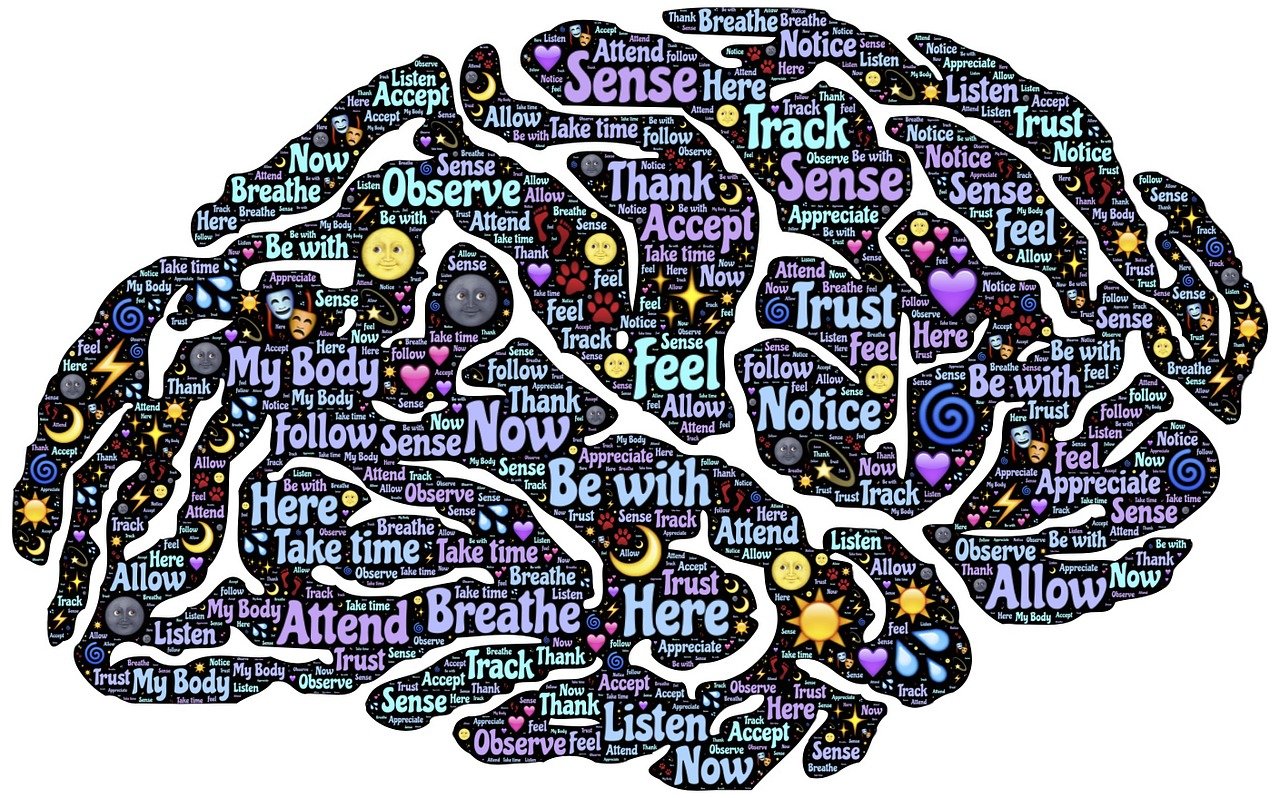

The Benefits of Mind-Body Connection in Corrective Fitness
In the realm of corrective fitness, the mind-body connection serves as a crucial component for achieving enhanced physical results. When individuals focus on their mental state during exercise routines, they often experience improved outcomes related to their physical capabilities. By cultivating this connection, practitioners become more aware of their body’s movements and sensations, allowing for heightened mindfulness and intentionality in workouts. This awareness can play a pivotal role in the prevention of injuries and the optimization of performance. Moreover, entering a focused mental state aids in addressing specific issues, particularly when implementing corrective exercise strategies. Balancing physical exertion with mental focus often leads to a noticeable decrease in stress levels and anxiety, facilitating a constructive workout environment. Additionally, the synergy between mind and body enhances motivation and commitment to fitness goals, further driving consistent progress. Developing stronger mental pathways can contribute to greater resilience when tackling physical challenges or rehabilitating from injuries. Overall, understanding and enhancing this connection greatly benefits those engaged in corrective fitness practices, ultimately leading to a more fulfilling and successful fitness journey.
Implementing strategies that emphasize the mind-body connection can significantly influence the effectiveness of corrective fitness programs. One key approach is the incorporation of techniques such as visualization and deep breathing, which can foster enhanced concentration and awareness. Visualization aids participants in picturing their correct movements, thereby encouraging more accurate execution. This engagement leads to improved neuromuscular coordination and can diminish compensatory patterns that might negatively affect performance. Additionally, deep breathing promotes relaxation, allowing practitioners to reconnect with their bodies and become more attuned to sensations during exercises. This heightened awareness can lead to better control and improved movements overall. Also, utilizing yoga or Pilates principles in corrective fitness can enhance flexibility and body alignment while reinforcing the mind-body bond. These modalities encourage individuals to explore the limits of their movement in a gentle manner, helping to identify and work through imbalances effectively. Consequently, participants develop a deeper understanding of their body mechanics, ultimately improving posture and alignment. Corrective exercise programs that prioritize this connection can yield transformative results for individuals, empowering them to reach their potential while minimizing the likelihood of injury through informed practices.
Equally important to the mind-body connection is the integration of functional exercises designed to address individual movement patterns and postural imbalances. Such targeted approaches can lead to significant improvements in functional fitness, addressing not just superficial issues but also deeper-rooted causes of dysfunction. Implementing corrective exercise strategies encourages practitioners to engage in functional movement assessments to identify weaknesses and imbalances. This knowledge enables the development of personalized training regimens that specifically cater to an individual’s needs, promoting efficient movement patterns. Furthermore, practitioners can also receive feedback from fitness professionals during these corrective sessions. Insightful cues allow for gradual progress toward optimal performance and help participants ensure their exercises are safe and effective while minimizing the risk of injury. Enhanced motor control and body awareness emerge from this tailored approach, empowering individuals to take charge of their fitness journeys. As a result, a strong emphasis on mind-body integration enhances individuals’ overall functionality in daily life, improving their ability to perform various tasks effortlessly. Prioritizing this connection reinforces the importance of personalized care in fitness, ensuring that participants receive the attention needed for lasting improvement in their corrective fitness efforts.
The Role of Motivation in Corrective Exercise
Motivation plays an instrumental role in fostering the mind-body connection during corrective fitness. When individuals feel engaged and motivated, they are more likely to participate in and complete their exercise routines consistently. This consistency further feeds into their progress, creating a positive feedback loop that reinforces their connection between mind and body. Setting realistic and attainable goals can be an effective way to inspire motivation. When participants acknowledge their achievements, even small ones, they are encouraged to stay committed to their corrective fitness regimen. Social support from trainers and fellow participants also boosts motivation, as accountability often leads to deeper engagement. Moreover, highlighting the progress achieved through mind-body practices, whether through improved flexibility or pain reduction, can instill a sense of accomplishment that keeps individuals coming back. Ensuring that workouts remain stimulating and diverse can further contribute to sustained motivation. When participants are engaged and excited about their sessions, the mental connection flourishes. Ultimately, motivation serves as a powerful driving force, enabling practitioners to delve deeper into their fitness pursuits and harness the benefits of the mind-body connection during corrective exercise.
Additionally, establishing a solid mind-body connection facilitates improved recovery and rehabilitation for individuals engaged in corrective exercises. As practitioners work on correcting imbalances and enhancing their overall fitness, they may encounter physical discomfort or fatigue. By tuning into their minds and bodies, these individuals can identify early signs of overexertion or stress, allowing them to adjust their routines accordingly. This awareness empowers participants to modify their intensity and volume of workouts to promote optimal recovery and prevent injuries. Furthermore, physical rehabilitation programs that prioritize the integration of mind-body principles often yield faster recovery rates. When individuals actively focus on their physical state and emotional well-being, they are more likely to remain committed to their rehabilitation process. Engaging in exercises that reinforce this connection may also assist in minimizing anxiety and frustration associated with the recovery process. By cultivating both mental and physical resilience, participants foster a proactive approach to their rehabilitation, transforming what could be a challenging journey into a more manageable experience. Consequently, this comprehensive strategy enhances overall well-being and promotes a smoother transition back to normal physical activities.
Moreover, embracing the mind-body connection inherently promotes holistic health through corrective fitness practices. By integrating this vital aspect into their routines, individuals tend to experience improvements not just in physical fitness but also in mental clarity and emotional resilience. Engaging in regular exercise while focusing on mental awareness enhances levels of mindfulness, allowing participants to better process their emotions and reactions to stress. This awareness extends beyond the gym, helping individuals develop techniques to manage daily stressors more effectively. Mindfulness fosters greater empathy and compassion, which can lead to healthier relationships and improved social connections. Corrective exercise encourages individuals to find joy in movement, reinforcing self-confidence and body positivity. Not only do individuals witness improvements in their physical capabilities, but they also cultivate a more profound appreciation for their bodies and capabilities. This deeper understanding of one’s own limits paves the way for performance enhancement and increased self-acceptance. Ultimately, incorporating the mind-body connection into corrective fitness practices enriches overall health, allowing individuals to embark on a journey toward greater well-being and fulfillment.
Long-Term Benefits of Mind-Body Integration
Continuing with the mind-body connection in corrective fitness ultimately leads to long-term benefits that go beyond the physical realm. Individuals who prioritize their mental states during exercise not only achieve better results but also cultivate lifelong health habits that promote slower aging processes and greater vitality. This established connection encourages a lifestyle of consistency, where the principles learned from corrective exercises become integrated into daily routines. Engaging in mindful practices prepares individuals to tackle challenges with confidence and fosters a greater acceptance of their own bodies. Consequently, they become more resilient to environmental stressors that typically disrupt balanced mental states, contributing to a more harmonious lifestyle. Establishing this connection creates a foundation for positive lifestyle choices, including nutritious eating habits and stress management techniques, which provide substantial long-term benefits. The interaction between mind and body results in improved coordination and functional movement, enhancing quality of life across various settings. Ultimately, individuals who embrace the mind-body connection experience transformative benefits that resonate throughout all aspects of life, reinforcing the importance of incorporating this principle into corrective fitness strategies for lasting wellness and vitality.
In conclusion, the role of the mind-body connection in corrective fitness is paramount for optimizing physical performance and achieving overall well-being. By fostering this connection, practitioners engage in a continuous journey of self-discovery and improvement, enhancing not only their physical capabilities but also their emotional and mental well-being. The integration of motivational strategies, individualized approaches, and functional exercises results in enhanced engagement and results. Moreover, recognizing the significance of recovery and holistic health allows individuals to navigate their fitness journeys with confidence. Exploring the mind-body link empowers participants to take control of their fitness, minimizing risks of injury and promoting lasting results. As individuals progress through their corrective fitness paths, they increasingly connect with their bodies, paving the way for a healthier lifestyle. Long-term benefits derived from this connection extend beyond physical improvements, nurturing a mindset of resilience and well-being. Therefore, it is essential for fitness practitioners to prioritize the mind-body connection within corrective exercise strategies, ultimately leading to transformative experiences and lasting positive changes in their lives, demonstrating how profound the alignment between mind and body can truly be for overall health and happiness.