
Should You Include Fats in Your Pre-Workout Meal?
Pre-workout nutrition significantly impacts athletic performance. Athletes often prioritize carbohydrates and proteins when planning meals, neglecting the role of fats. Including healthy fats in your pre-workout meal can enhance endurance and prolong energy levels during exercise. However, the timing and type of fat is crucial. Saturated fats can hinder performance due to slower digestion rates, while unsaturated fats may be more beneficial. Nuts, seeds, avocados, and olive oil are excellent sources of healthy fats that can fuel your workouts effectively. When space allows, consider incorporating a small portion of these into your meal. Combining fats with carbohydrates provides a steady energy release. This combination can help avoid sudden energy crashes during workouts. It is also essential to recognize individual responses to fat consumption. Some athletes may find that fats leave them feeling sluggish. However, others benefit from the sustained energy that fats provide. Experiment with different fat sources to ascertain what works best for your body. Also, consider your workout intensity and duration when including fats in your meal. A low to moderate-fat intake is ideal for those engaging in high-intensity workouts.
Understanding how fats contribute to energy expenditure is essential for optimizing pre-workout nutrition. Fats serve as a significant energy source, particularly during extended, moderate-intensity workouts. When the body’s carbohydrate stores deplete, it turns to fats for energy. This makes fats valuable for endurance athletes or those engaging in prolonged training sessions. Importantly, fats do not digest as quickly as carbohydrates, which means timing your fat intake is vital. Consuming fats too close to a workout can lead to gastrointestinal discomfort. Allow a reasonable time gap between eating and exercising to avoid any negative effects. For example, a meal rich in fats should be consumed about two to three hours before exercise. This allows for adequate digestion and energy availability during the workout. It’s also worth noting that the type of fat matters. Monounsaturated and polyunsaturated fats support cardiovascular health and promote optimal blood flow. Foods like fatty fish, flaxseeds, chia seeds, and walnuts are great options that provide these essential fats. Always aim for a balanced approach to macronutrients, considering personal preferences and tolerances can lead to the best workout outcomes.
Fats, like other macronutrients, play a role in hormone regulation and nutrient absorption, which can impact workout results. Dietary fats are essential for the absorption of fat-soluble vitamins—A, D, E, and K—which contribute to various bodily functions. These vitamins support immune function, muscle contractions, and even recovery post-workout. Athletes should not overlook the importance of a healthy fat intake as it contributes to overall well-being. Hormonal balance is also affected by dietary fat; testosterone production, for instance, is reliant on adequate fat consumption. Low dietary fat may lead to hormonal imbalances, affecting both performance and recovery. Furthermore, a balanced fat intake can assist in reducing inflammation after intense workouts. Foods rich in omega-3 fatty acids, such as salmon and walnuts, are particularly beneficial for this purpose. Reducing inflammation can enhance recovery and reduce muscle soreness, allowing for better workout continuity. Consider including a sufficient amount of good fats in your pre-workout nutrition to support recovery efforts. Always tailor fat intake to your personal training goals and dietary preferences for optimal benefits. Stay informed about your body’s preferences to find the right balance in your nutrition plan.
Balancing Carbs and Fats
Incorporating fats into your pre-workout meal doesn’t mean disregarding carbohydrates. Both macronutrients serve different purposes and can complement each other effectively. Carbohydrates provide quick energy, while fats offer lasting fuel. The key is finding the right balance between the two to support your workout needs. A good guideline is to pair complex carbohydrates with healthy fats to achieve an optimal energy blend. For example, oatmeal topped with a spoonful of almond butter provides sustained energy and keeps you feeling full longer. Prepare your meals considering your workout intensity; lighter workouts may require less fat, while endurance training could benefit from a bit more. This strategy helps maintain energy levels without feeling overstuffed. Monitor how your body responds after adjusting your meals. Remember, individual tolerance varies; what works for one person may not work for another. Practical experimentation can reveal the optimal ratios for your unique needs. Engage in careful meal planning to ensure you receive adequate fuel without compromising digestion. Properly balancing carbs and fats enhances workout performance and overall athletic success.
Meal timing remains an important aspect when considering fat consumption in your pre-workout meals. Consuming fats at the right moment can optimize performance and help achieve fitness goals. For heavy workout days, it’s advisable to include fats earlier in the day, spacing out meals to allow for digestion. This approach avoids any feelings of heaviness during exercise. Pre-workout meals can focus more on carbohydrates then, with just a touch of healthy fats. Experiment with meal timing to discover what suits your schedule; various athletes respond differently based on workout and body type. Hydration plays an equally vital role, supporting digestion and performance. Remember to drink enough water, especially if fats are included in your meals. A well-hydrated body performs better and mitigates fatigue. Combine adequate hydration with your fat and carbohydrate intake to build an effective nutrition strategy before workouts. Ideally, the focus should be on easily digestible foods and sufficient hydration to complement dietary fats. If you’re unsure about fat inclusion close to workout time, always prioritize quick-to-digest carbs for immediate energy. Experiment wisely and tune in to your body’s signals.
Choosing Healthy Fats
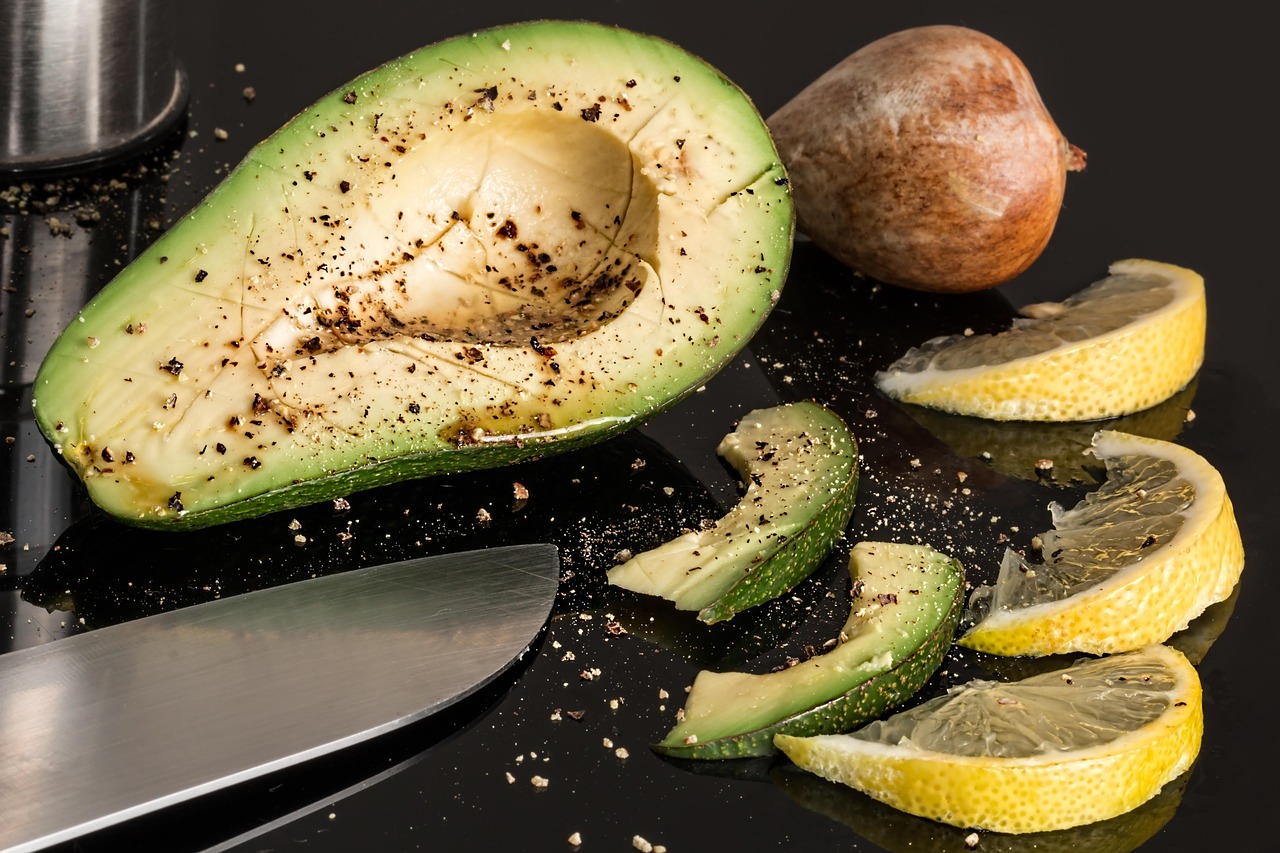
Choosing the right types of fats is crucial for achieving desired workout results. Optimal fat sources are those high in omega-3 and omega-6 fatty acids, which support overall health and performance. Avocados, extra virgin olive oil, and nuts are generally well-accepted options. These fats can help reduce the risk of cardiovascular issues and support sustained energy levels. Avoid trans fats and heavily processed oils that can lead to health problems and hinder workout progress. Incorporating avocados into a pre-workout smoothie or using olive oil in salads are great ways to include healthy fats. Prepare a nutritious meal in advance to have the right fuel available for your workouts. Meal prepping can help streamline your nutrition, ensuring you’re adding beneficial nutrients. Include a mix of macronutrients to create an ideal pre-workout meal and support your training. Additionally, consider portion sizes as excessive fat intake can cause digestive discomfort. Moderation is key, and focusing on portioning can lead to more enjoyable workouts. Track your meals for adjustments over time to see how different fats affect your workouts. Ultimately, balance is the goal for achieving the best physical outcomes.
Understanding your personal fitness objectives greatly impacts how you approach your pre-workout nutrition, including fat consumption. Each fitness journey is unique, with specific goals influencing dietary choices. Tailoring your fat intake allows you to focus on building muscle, enhancing endurance, or losing weight. For example, individuals aiming to bulk up may require higher fat caloric intake, while those seeking to slim down might prefer lower fat consumption. Regularly assess progress towards your fitness goals, adjusting fat intake as necessary based on results. Use a food diary or tracking app to document meals and monitor any changes. This assessment can identify patterns and how different fats influence performance. Remember, the key to a successful fitness regime is consistency. Maintaining a well-rounded diet, inclusive of healthy fats, ensures your body receives all the essential nutrients for optimal function. Connect with a nutritionist or specialist for tailored advice to meet your specific needs. Finally, keep in mind the importance of mental well-being in fitness. Enjoying meals and finding satisfaction in your food choices can enhance your overall experience. Achieving a healthy relationship with food is vital for sustaining fitness results long-term.