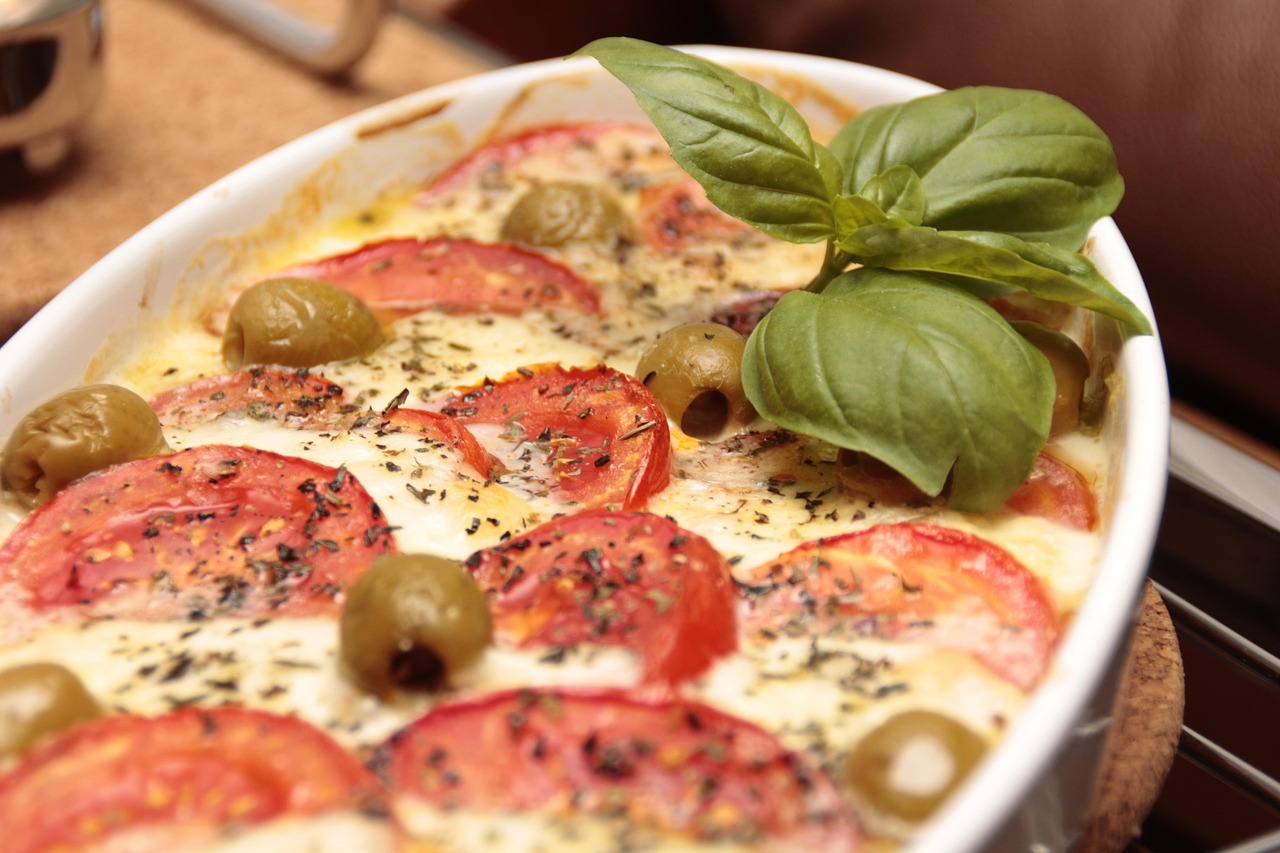

Baking Innovations: Creating Delicious Meatless Casseroles
Baking casseroles offers a wonderful opportunity to explore and celebrate innovative vegetarian cooking techniques. The versatility of casseroles is perfect for experimenting with flavors, textures, and ingredients that enhance a meatless meal. Tofu, chickpeas, and lentils are excellent protein sources to include, as they can also absorb rich flavors from sauces and seasonings. When creating a casserole, you want to consider layering your ingredients thoughtfully. Start with a base, like grains or potatoes, followed by your favorite vegetables. Layering ensures every bite is flavorful and satisfying. Incorporating spices like cumin or paprika adds depth to your dish. A quality baking dish can also influence your casserole’s final texture. Glass or ceramic dishes promote even cooking, enhancing both taste and appearance. Consider making a creamy sauce using cashews or nutritional yeast for a rich flavor without dairy. This substitutes well for traditional cheese. With endless possibilities, there is ample room for creativity. Casseroles can be made in advance and frozen, making them a convenient meal option for busy days.
Key Ingredients for Vegetarian Casseroles
When crafting delicious vegetarian casseroles, selecting the right ingredients is essential for achieving a satisfying dish. Start by choosing a hearty base, such as quinoa, brown rice, or even sweet potatoes, which offer complex carbohydrates and fiber. These bases provide substance to your casserole and help keep you full. Fresh vegetables like mushrooms, bell peppers, and spinach bring color and nutrition. You can also use frozen options for convenience. Next, ensure you include some protein sources like beans or lentils, offering plant-based protein that is essential for a balanced meal. Adding texture with toppings like breadcrumbs mixed with herbs or nuts can create a delightful crunch. Don’t forget about the spices and seasonings; they elevate the overall flavor profile remarkably. A touch of garlic powder, onion powder, or dried herbs can enhance taste without overwhelming the dish. You may want to explore unique alternatives like nutritional yeast for a cheesy flavor, or coconut milk for creaminess. Trying different flavor combinations will keep your cooking exciting and fresh, staving off meal planning fatigue.
Baking a casserole requires understanding the temperatures and times needed for perfect cooking. Preheating your oven to the right temperature ensures even heating throughout the casserole. Most vegetarian casseroles bake well at temperatures ranging from 350 to 400 degrees Fahrenheit. Adjusting the cooking time may be necessary depending on the type of ingredients used. For example, hearty vegetables and legumes might take longer to cook than softer vegetables like zucchini or spinach. While baking, you’ll want to cover your casserole with foil to trap moisture, creating a tender dish without burning the top. As it nears completion, uncovering it allows the top to become golden and crispy, adding texture. A standard baking time is approximately 30 to 45 minutes, but be sure to check doneness with a fork. The goal is to have the ingredients meld together beautifully while ensuring satisfying textures. Testing your recipe beforehand is key to mastering the baking process. If you find favorite combinations, keep track of times and modifications for future use. This will allow you to create consistent, delightful veggie casseroles every time.
Unique Flavor Pairings
In the realm of vegetarian casseroles, exploring unique flavor pairings can open up avenues for creativity. Combining unexpected ingredients ensures that each dish tastes distinguished and memorable. One exciting pairing is using Mediterranean flavors, combining olives, artichokes, and feta cheese with orzo pasta. Alternatively, for an Asian-inspired twist, consider utilizing sesame oil, bok choy, and tofu blended with brown rice. Incorporating seasonal vegetables also allows you to take advantage of fresh produce, enhancing flavor profiles at various times of the year. Roasting vegetables like carrots or Brussels sprouts beforehand intensifies their natural sweetness and depth. Adding acidity through elements like citrus zest or balsamic vinegar can create balance in your dish. For sweeter casseroles, think fruit combinations such as apples, cranberries, or pears blended with nuts and spices. Dessert casseroles, such as berry crumbles, can quickly become a household favorite. Whether you are creating savory or sweet, the beauty is in the experimentation. Document successful combinations to share with friends or save for future cooking adventures.
No casserole is complete without exceptional sauces, which are vital in unifying all components. A sauce can add moisture, flavor, and richness to vegetarian casseroles. Traditional cream-based sauces can be substituted with easy-to-make vegan options using blended nuts, seeds, or even silken tofu. For example, a cashew cream sauce can provide a luscious base for your casserole. To enhance flavors, adding nutritional yeast introduces a cheesy essence without actual cheese. You can balance sauces with seasoning herbs like thyme, rosemary, or basil; these impart cozy, familiar flavors that elevate your dish. Additionally, don’t hesitate to play with store-bought sauces, like marinara or curry, as shortcuts can save time while still yielding delicious results. Layer sauces effectively by spreading them in between layers of your ingredients, ensuring every bite contains a flavor burst. Baking also allows the sauce to thicken while mingling with other ingredients. Experimenting with sauces can lead to delightful surprises, so keep refining your techniques. A well-crafted sauce can transform a simple casserole into a delightful masterpiece.
One of the great benefits of casseroles is that they can often be made ahead of time, providing meal prep solutions to busy households. Preparing casseroles in advance allows flavors to meld beautifully, often enhancing taste when left overnight in the refrigerator. After prepping, you can easily bake them fresh the next day, allowing a wholesome home-cooked meal with minimal hassle. When making multiple casseroles, consider freezing portions for a quick weeknight dinner. When using freezer-safe dishes, ensure to add foil and seal well to prevent freezer burn. To serve later, simply thaw in the refrigerator overnight and reheat in the oven until warmed through. It’s important to monitor internal temperatures during reheating; 165 degrees Fahrenheit is the recommended safe temperature. This strategy allows you to enjoy a variety of meals without last-minute preparations. Prepare meal plans around your casserole selections, creating diverse options for the week. By dedicating time once a week for meal prep, you ensure that nutritious, home-cooked food is readily available.
Finally, incorporating creativity and personal touches into your casseroles opens up the potential for delightful culinary experiences. Casserole cooking encourages experimentation with seasonal ingredients, flavor profiles, and textures. Encouraging the family to contribute means everybody enjoys flavorful meals while learning about healthy cooking practices. Creating a theme night for casserole dinners can add a fun twist, where each family member brings their favorite casserole recipe. This fosters bonding through a shared love of food. Furthermore, presentation matters; serving a colorful casserole in stylish dishes makes mealtime visually appealing. Garnishing with fresh herbs or a sprinkle of seeds can elevate the overall dining experience. Don’t forget to document your creations! Share successful recipes and visuals with friends, family, or on social media to inspire others exploring vegetarian diets. Ultimately, baking delicious meatless casseroles enriches your culinary repertoire. The love for cooking shines through the variety and creativity. By embracing these techniques, you can create memorable meals that everyone, including non-vegetarians, will love.