
Why Not Drinking Enough Water Can Lead to Fasting Failures and How to Fix It
Intermittent fasting has become increasingly popular, yet many people struggle with it due to various challenges. One common issue that often goes overlooked is hydration. Not drinking enough water can lead to significant fasting failures that hinder your success. When you’re fasting, your body undergoes metabolic changes. Adequate hydration is essential during this process for optimal functioning. Dehydration may cause fatigue, headaches, and irritability, making it harder to stick to your fasting schedule. Additionally, insufficient water intake can confuse your body’s hunger signals, leading you to mistake thirst for hunger.
Inadequate hydration can significantly impact your overall health, particularly during fasting periods. Without enough water, your kidney function could struggle, making it more challenging to cleanse your body of toxins. A lack of hydration can also result in muscle cramps and decreased energy, impairing your ability to perform routine tasks or workouts. It’s crucial to recognize the signs of dehydration early on and address them. Incorporating a regular water intake schedule is key. Remember that maintaining hydration doesn’t only enhance your fasting experience, but it also promotes overall wellness and metabolic efficiency.
Common Signs of Dehydration
Identifying the signs of dehydration is essential to preventing fasting failures. Common symptoms include dry mouth, fatigue, dizziness, and dark-colored urine. If you notice these signs while fasting, it’s vital to drink water promptly. Additionally, your body may send out hunger cues that could be misleading. Instead of reaching for food, try drinking a full glass of water first. This simple step may put a stop to prolonged fasting failures and keep you on track. The goal is to ensure that your body has the fluids it needs to operate effectively.
Another sign of dehydration is persistent headaches. You might experience this more acutely when fasting. Staying on top of your hydration can mitigate the severity and frequency of headaches. It’s also helpful to track your daily water consumption to ensure you meet your hydration goals. Aim for drinking about half your body weight in ounces of water daily for optimal effects. If you engage in physical activity or live in a warmer climate, you may need to adjust your intake accordingly. Pay close attention to how your body responds.
Hydration Tips for Successful Fasting
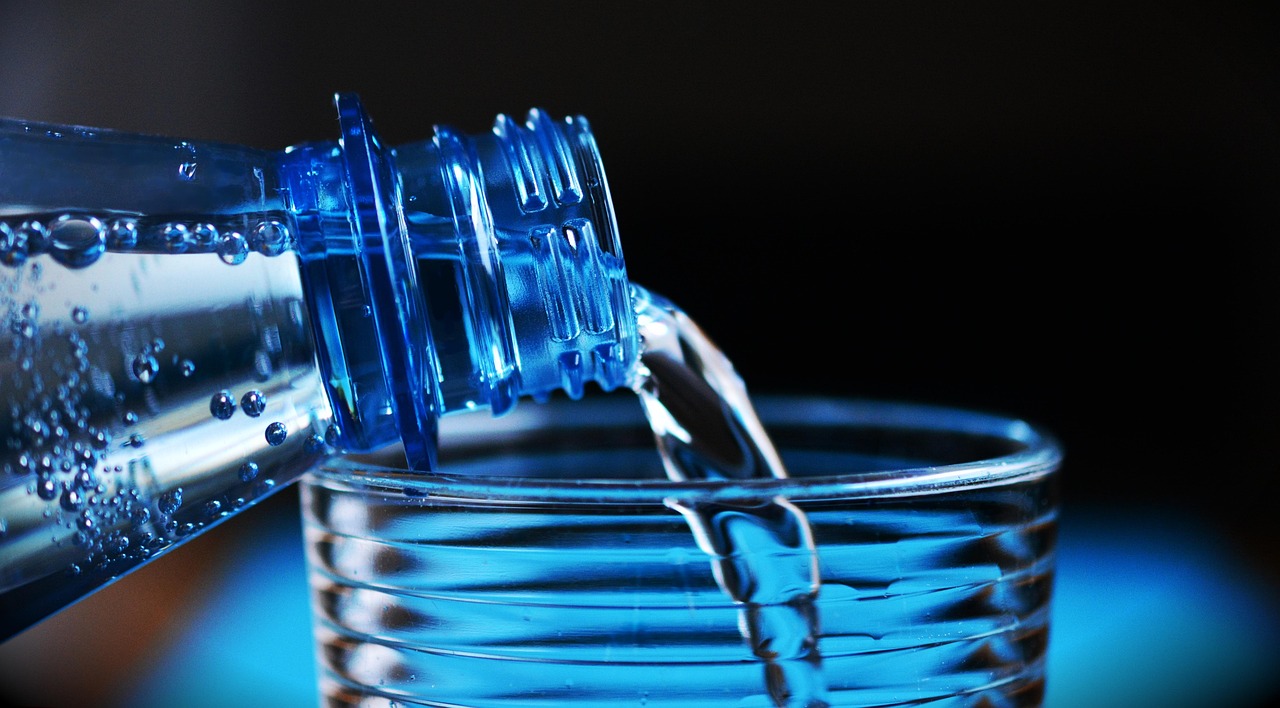
To ensure that you remain hydrated while fasting, consider setting reminders on your phone or using hydration apps. These tools can help you track your daily intake effectively. Additionally, carrying a reusable water bottle can make it easier to sip water throughout the day. Aim to drink at least 16-20 ounces upon waking before your first meal. This foundational habit helps replenish fluids lost during the night. Herbal teas and infused water can also add variety and encourage consistent hydration while remaining in line with fasting protocols.
Moreover, incorporating hydrating foods into your meals can help boost your hydration levels. Fruits such as watermelon, cucumber, oranges, and strawberries contain high water content, providing an additional source of fluids. Including these in your meals can be beneficial, especially during your eating window. Remember to maintain a balance between solids and liquids to enhance your overall health and fasting experience. Don’t underestimate the impact of hydration on your body’s performance while fasting, as it can be the determining factor between success and setbacks.
Adjusting Your Hydration Plan
As you continuously assess your fasting journey, feel free to adjust your hydration plan based on your individual needs. Factors such as activity levels, climate, and personal preferences play a vital role in determining how much water you should consume daily. Regularly evaluating your hydration strategy can lead to improved performance during your fasting periods. Additionally, if you find yourself struggling despite increasing water intake, revisit your fasting methods. It may be beneficial to experiment with various eating schedules.
Being aware of how your hydration affects your fasting experience will empower you to make informed decisions. Understanding your body’s requirements is essential for developing a sustainable fasting routine. Stay committed to drinking sufficient water daily to boost your chances of long-term fasting success. Accept that hydration plays a critical role in achieving your wellness goals. As you prioritize water intake, you will likely notice improvements in your energy levels, mental clarity, and fasting adherence, all contributing to a more fulfilling fasting journey.