
Postpartum Nutrition: Supporting Recovery and Breastfeeding
Postpartum nutrition plays a crucial role in supporting recovery for new mothers. After childbirth, a woman’s body undergoes significant physical changes, and proper nutrition is essential for healing. Nutrient-dense foods provide the necessary energy levels, promote tissue repair, and help restore the body’s various systems. During this time, the need for certain nutrients, such as iron, calcium, and folate, may increase. These nutrients help combat fatigue, support bone health, and are vital for overall well-being. Additionally, some women may experience challenges like mood swings or anxiety, which can be alleviated through a balanced diet rich in omega-3 fatty acids. Foods such as salmon, walnuts, and flaxseeds can greatly benefit mental health. Moreover, hydration is often overlooked; adequate fluid intake supports breast milk production and helps with overall recovery. New mothers should integrate a variety of colorful fruits and vegetables, whole grains, and lean proteins into their meals. Prioritizing a healthy diet during these early months sets a strong foundation for the postpartum journey and ensures that mothers have the energy and nutrients necessary to care for their newborns.
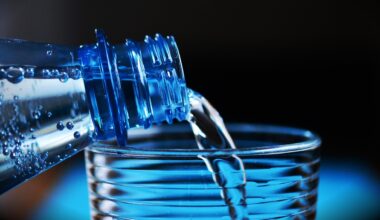
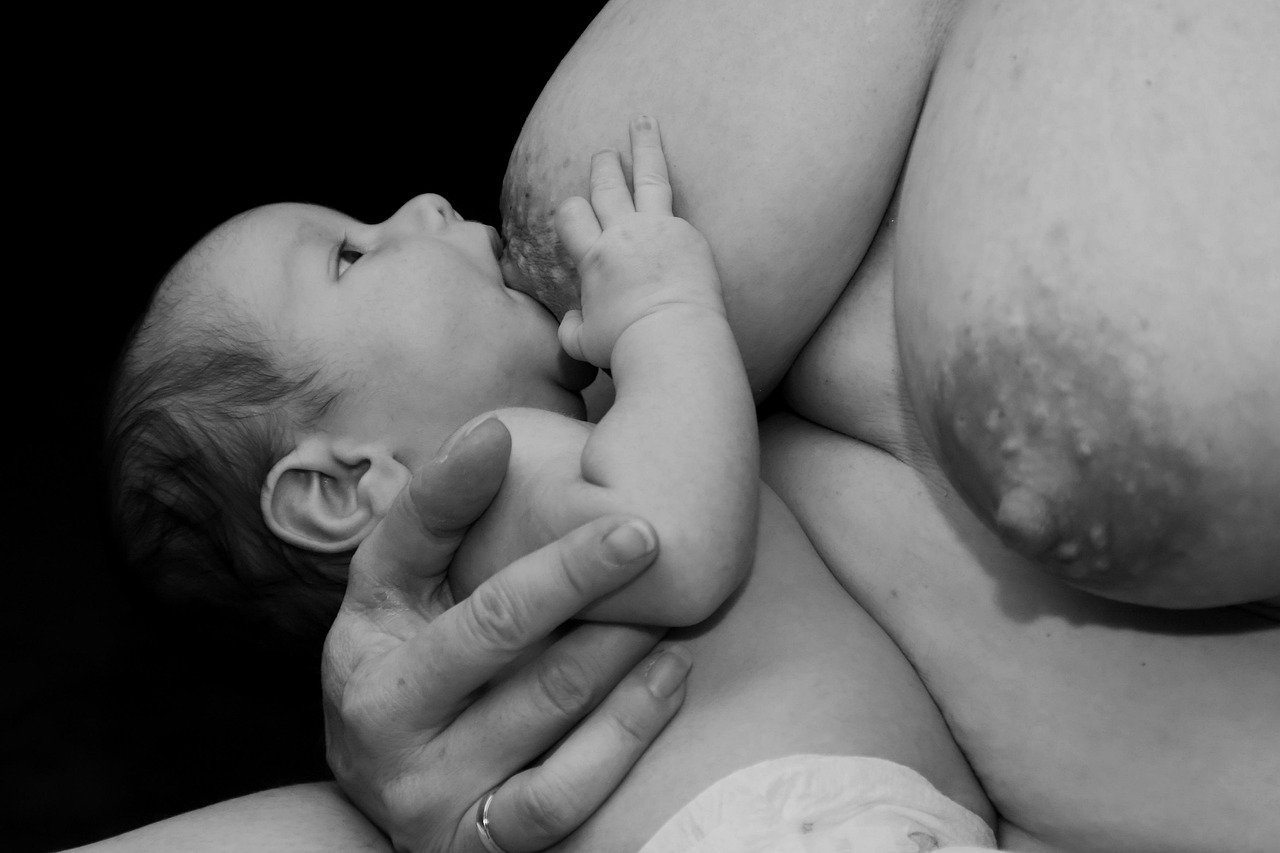
Breastfeeding is another essential aspect of postpartum nutrition. It is important for mothers to realize that their diets directly impact their breast milk quality. The nutrients consumed will not only support their own health but also affect their baby’s growth and development. Therefore, it is vital to focus on foods that are rich in vitamins, minerals, and healthy fats. Foods like avocados, leafy greens, and berries should be staples in a new mother’s diet. Moreover, staying well-hydrated is crucial as breastfeeding can be dehydrating. It is recommended for breastfeeding mothers to consume at least 13 cups of fluids daily, including water, herbal teas, and soups. Consuming a well-balanced diet contributes to producing nutrient-rich breast milk, which can positively influence infant health. It is also wise for mothers to keep track of any foods that may cause sensitivities in their babies. Keeping a food journal can simplify identifying potential allergens or digestive issues. Consulting with a healthcare professional or a nutritionist specializing in postpartum health can provide personalized insights into dietary adjustments necessary for optimal breastfeeding outcomes.
In addition to solid nutrition, postpartum supplements can play a role in recovery. Prenatal vitamins can sometimes be continued into the postpartum phase to replenish any deficiencies remaining from pregnancy. These may contain important nutrients like DHA, iron, and calcium. Furthermore, vitamin D is essential, particularly for breastfeeding mothers, as it supports both maternal and infant bone health. Adequate vitamin D levels can also help mitigate postpartum depression risks. Mothers should consider discussing the need for supplements with their healthcare provider to ensure they address their unique nutritional needs. Many women find themselves challenged by the demands of motherhood when trying to maintain a healthy diet; supplements can supplement their nutritional intake when meals may be missed or inadequate. However, they should not be viewed as a substitute for a well-rounded diet. Engaging in meal planning and preparation can also help facilitate grabbing healthy snacks, making it easier to meet nutritional goals throughout the busy day-to-day schedule of caring for a newborn. This balance of whole foods and appropriate supplementation can enhance recovery and overall wellbeing.
Meal Ideas for New Mothers
New mothers can benefit from quick and nutritious meal ideas that support their recovery and breastfeeding. For breakfast, consider overnight oats with nuts and fruits; this combination offers fiber, protein, and healthy fats. Smoothies can also provide a quick nutrient boost, combining spinach, fruits, and Greek yogurt for added protein. Lunch could include a hearty quinoa salad that incorporates leafy greens, lean protein, and an array of colorful vegetables, making it not only healthy but also satisfying. For dinner, preparing baked salmon with roasted sweet potatoes and steamed broccoli offers a meal rich in essential fatty acids and vitamins. Snacks are often overlooked, yet they can be incredibly important. Healthy snacks like hummus with carrots, mixed nuts, or Greek yogurt with berries provide energy and sustain hydration levels throughout the day. Lastly, meal prep is a helpful strategy; consider prepping a week’s worth of meals on weekends, allowing easy access to healthy options during busy weekdays. Engaging partners and family members in meal preparation can further enhance nutritional support in this crucial stage of motherhood.
Physical activity also plays a significant role in postpartum nutrition and recovery. While new mothers may initially feel overwhelmed, incorporating gentle exercises can enhance both physical and mental well-being. Activities such as walking, postpartum yoga, or light stretching can help improve circulation and promote muscle repair. Gradually increasing the intensity and duration of workouts, based on individual comfort levels, is advisable. Engaging in physical activity also releases endorphins, which can boost mood and energy, counteracting feelings of sadness or stress that some women experience during the postpartum period. Coordinating exercise with caregiving tasks can often make the transition more manageable, such as taking the baby for a stroll in a stroller. It’s also beneficial to join postpartum fitness classes, as they often offer guidance on safe exercises while providing community support. Finding opportunities to engage in physical activity can help develop a routine that prioritizes health without sacrificing time with the newborn. Ultimately, the combination of a balanced diet and regular physical activity not only aids recovery but sets a sustainable lifestyle foundation for both mother and child.
Overcoming Challenges in Postpartum Nutrition
Many new mothers face challenges that can complicate their nutrition postpartum, including fatigue, time constraints, and changes in taste or appetite. Fatigue is often the most significant hurdle; the exhaustion from sleepless nights can lead to poor food choices and neglecting meals. To combat this, employing strategies like keeping healthy snacks readily available and prioritizing meal prep can be beneficial. Setting aside a few hours weekly for preparing nutritious meals can reduce daily stress and sustain energy levels throughout the week. Furthermore, maintaining a varied diet can help navigate changes in appetite and cravings. Mothers should listen to their bodies and honor their hunger and fullness cues, allowing flexibility in dietary choices. Lastly, support from family and friends can make a considerable difference in overcoming these challenges. Creating a meal train or having family members help cook can lighten the load and ensure that mothers have access to nutritious foods during the busy postpartum transition. Overcoming barriers with a proactive approach leads to better nutritional outcomes and a more positive postpartum experience overall.
Finally, it is essential to recognize the emotional aspects tied to nutritional choices during the postpartum period. Many women may struggle with body image issues that can influence their relationship with food. Focus on self-compassion and the understanding that nourishing oneself is a vital aspect of motherhood. It’s important to approach food choices without guilt, emphasizing the need for sustained energy rather than strict dieting. As breastfeeding and recovery progress, mothers should feel empowered to make choices that feel good for their bodies. Engaging in supportive conversations with other mothers can foster a sense of community and allow shared experiences regarding nutrition and self-care. Embracing mindfulness about eating can transform the experience; suggesting practices like eating slowly and appreciating the flavors can make meals more satisfying. Furthermore, considering holistic approaches such as yoga or meditation may help ease anxiety surrounding food, providing mental clarity and emotional balance. By prioritizing nutrition and mental health, mothers can navigate the postpartum landscape more readily, thereby enriching their experience of motherhood and nurturing their new infants effectively.
Conclusion
Postpartum nutrition is crucial for new mothers, playing an instrumental role in their recovery and breastfeeding success. With attention to a balanced diet, hydration, and active lifestyle, mothers can ensure optimal health for themselves and their newborns. Facing challenges such as fatigue and appetite changes may require creativity and support, but prioritizing nutrition sets a foundation for healthier choices. Engaging in community support and employing strategies like meal prepping and staying hydrated can provide the needed motivation during this transition. Remembering to embrace the emotional aspects of food choices encourages a positive relationship with nutrition. It is essential for mothers to take time for themselves and find joy in nourishing their bodies. By understanding the importance of postpartum nutrition, new mothers can cultivate a fulfilling and nurturing experience, ultimately promoting their wellbeing and the wellbeing of their children.