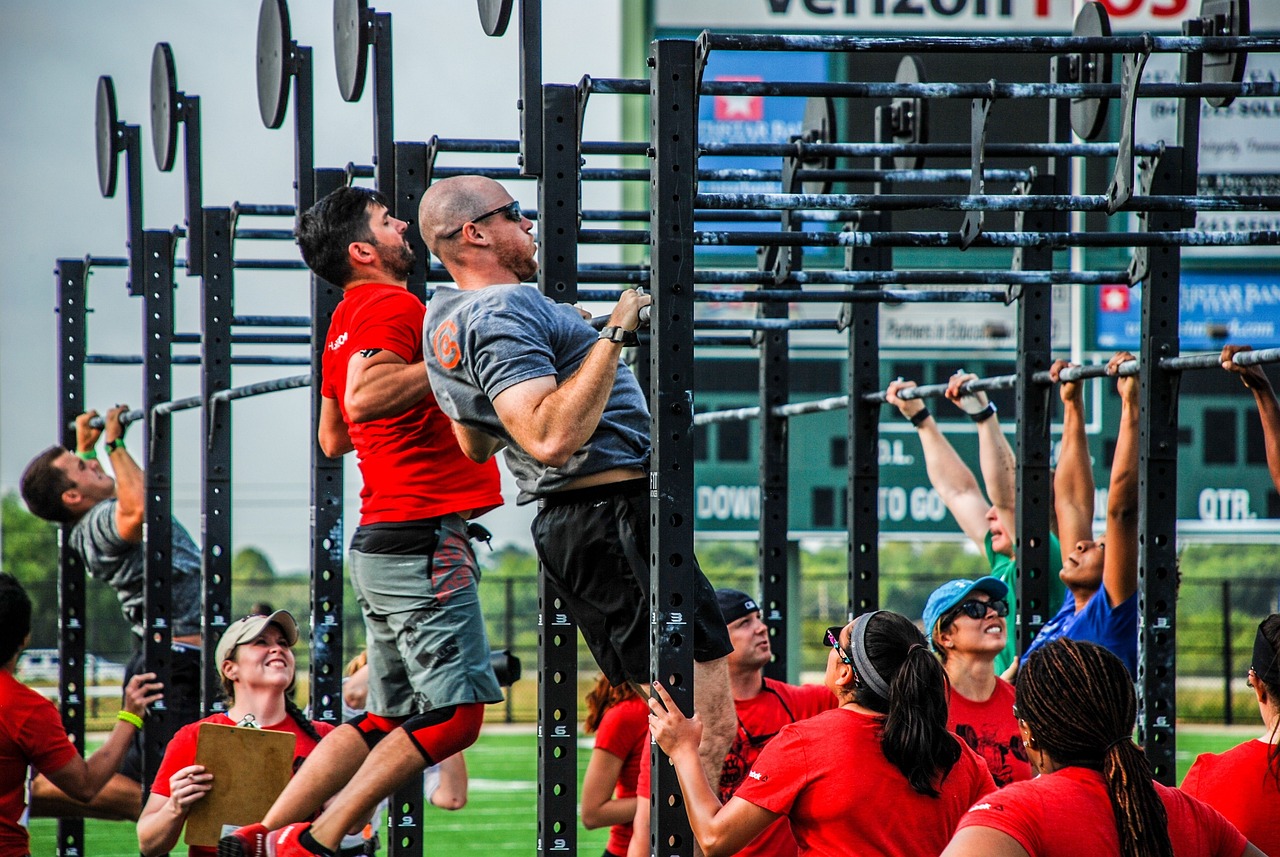

Building Strength and Endurance for CrossFit Competitions
CrossFit competitions present unique challenges that push athletes to their limits. Building strength and endurance is critical for success. Athletes must focus on specific training techniques tailored to CrossFit. Strength training enhances overall fitness levels, targeting major muscle groups for growth. Resistance exercises like squats and deadlifts form the foundation. Additionally, high-intensity interval training (HIIT) boosts endurance by combining strength and aerobic work. This creates a powerful training effect while improving cardiovascular fitness. Recovery is equally essential, allowing muscles to heal and adapt. Effective nutrition also plays a vital role in optimizing performance. Nutritionists recommend a balanced diet rich in proteins, healthy fats, and complex carbohydrates. Staying hydrated fuels the body for intense workouts. Lastly, mental toughness is necessary for competing. Visualization and goal-setting techniques can enhance confidence and determination. Athletes must also participate in regular competitions to gain experience and test abilities under pressure. Adapting strategies based on results can lead to improved performance. Overall, a well-rounded program is crucial for achieving peak performance in CrossFit competitions. Building strength and endurance takes dedication and consistency, but the rewards are substantial.
CrossFit competitions require a comprehensive strategy that encompasses diverse training elements. Athletes should prioritize functional strength movements to perform well under competition conditions. Exercises like Olympic lifts, power cleans, and snatches are paramount. Additionally, incorporating bodyweight movements, such as pull-ups and push-ups, helps enhance relative strength. Complex workouts often require a blend of endurance and power, necessitating training adaptations. Developing cardiovascular endurance through running, rowing, and swimming can significantly impact performance. Athletes benefit from varied workout formats, performing different WODs (workout of the day) that simulate competition-like scenarios. Engaging in team-based or partner workouts can foster camaraderie and motivation. Furthermore, practicing competition-specific skills, including transitions between exercises, prepares athletes for the real event. Continuous assessment of strength and endurance through regular testing prepares athletes for competition readiness. It’s vital to reflect on personal experiences after each competition to identify growth areas. Incorporating techniques like tapering can optimize peak performance during competition week. Additionally, injury prevention strategies, including flexibility and mobility work, may enhance longevity. Ultimately, a well-structured regime is fundamental for achieving goals and excelling in CrossFit competitions.
Nutrition Strategies for Optimal Performance
The role of nutrition in crossfit competitions cannot be overstated. Optimal nutrition strategies amplify both strength and endurance among athletes, providing the fuel needed for high-intensity workouts. A well-balanced diet focusing on macronutrients is essential. Being aware of how many calories you consume ensures you meet energy demands. Prioritizing carbohydrates before workouts offers necessary energy during intense efforts. Proteins play a critical role in muscle recovery, repairing damage sustained during rigorous training. Including lean meats, dairy, and legumes in the diet boosts muscle repair capabilities. Healthy fats, like avocados and nuts, serve as an energy reserve, significantly impacting overall performance. Ensuring proper hydration aids in recovery and maximizes workout effectiveness, reducing fatigue during competitions. Consuming electrolytes helps maintain fluid balance, particularly during high sweat-inducing workouts. Adjusting meal timing around training sessions may also offer significant benefits. Taking specific post-workout meals rich in protein can accelerate muscle recovery and improve readiness for subsequent workouts. Athletes should experiment with meal plans in training to determine optimal combinations. Tailoring nutrition strategies in this manner is important for achieving peak performance and fulfilling CrossFit competition aspirations.
Moreover, athletes can enhance their performance by utilizing supplements strategically in conjunction with diet. Certain supplements can offer additional support, such as protein powders and branched-chain amino acids (BCAAs). BCAAs assist in muscle recovery and decrease exercise-induced fatigue, particularly during intense training sessions. Creatine is another popular supplement among CrossFit competitors, as it promotes strength gains associated with power-centric workouts. Transitioning through competition phases necessitates proper nutrient timing and recovery supplementation practice. Another key aspect of maintaining ideal performance is meal prepping. Planning meals in advance ensures convenience and adherence to nutritional goals while managing time effectively. Utilizing this method helps athletes avoid poor food choices, particularly during busy training schedules. Additionally, understanding individual nutritional needs and preferences can foster sustained performance throughout the competition cycle. Engaging with nutritionists and coaches can provide tailored advice and nutritional insights built around personal goals and needs. Supplementing food choices with healthy snacks can maintain energy levels between regular meals. Ultimately, a personalized approach to nutrition can significantly impact training outcomes and competition results, aligning athletes with success in CrossFit.
Creating a Training Schedule
A well-structured training schedule is imperative in preparation for CrossFit competitions. A balanced regimen should incorporate strength training, metabolic conditioning, and skill work. Integrating these elements will enhance athleticism and prepare athletes for the varied demands of competition. Strength training, primarily focusing on Olympic lifts, should occur regularly to build necessary power. Following this, metabolic conditioning workouts like EMOMs (every minute on the minute) and AMRAPs (as many reps as possible) maintain cardiovascular fitness. Reserve specific days for skill work, allowing focused practice on movements such as muscle-ups or handstand walks. This targeted approach ensures a comprehensive development of necessary skills. As competitions approach, it’s vital to implement tapering techniques to prevent overtraining. Tapering involves reducing intensity and volume to allow muscles to recover fully. Programming should also include designated rest days to facilitate recovery, ensuring athletes remain ready for rigorous training. Athletes must adapt routines based on capacity and responses to varied training stimuli. Regular assessments can provide insights that adjust programming effectively. Ultimately, a personalized training schedule is essential for achieving competitive goals in CrossFit.
In addition to strength and conditioning, mental preparation plays an equally significant role in competing successfully in CrossFit events. Mental aspects, including focus, determination, and resilience, are crucial for managing stress during competitions. Techniques such as visualization exercises can enhance performance by mentally preparing athletes for actions and movements they will encounter. Practicing mindfulness strategies reduces anxiety and promotes a greater sense of calm. Incorporating competitive simulation workouts can closely mirror real competition conditions, increasing familiarity. Athletes should prioritize building confidence through small successes in training; these contribute positively to competition anxiety levels. Setting tangible, short-term goals boosts motivation and aligns training efforts. Journaling experiences helps document progress, offering valuable insights for iterative learning. Discussing experiences with coaches or peers can further enhance confidence. Collaborative efforts can create a strong support system, which encourages accountability and perseverance. By focusing on the mental component, athletes will feel better equipped to handle competition pressure. Ultimately, integrating mental strategies into CrossFit preparation fosters resilience, allowing athletes to perform at their best when it counts the most.
Conclusion: The Path to Excellence
In conclusion, building strength and endurance for CrossFit competitions requires an integrative approach, merging physical and mental preparation. Individualized training programs tailored to specific competition goals generates effective results. Sustainable nutrition strategies support the body’s demands and enhance overall performance. Moreover, prioritizing mental readiness through visualization and mindfulness leads to tremendous benefits. Athletes need to consistently assess their training methods for effectiveness while making adjustments based on personal progress. Regular engagement in competition simulations develops adaptability and resilience. Within this demanding environment, maximizing recovery strategies ensures improved longevity and performance levels. Ultimately, succeeding in CrossFit competitions is a multifaceted journey that involves dedication, discipline, and continuous learning. The community aspect of CrossFit further strengthens motivation and fosters supportive relationships among athletes. As each athlete navigates their unique path, embracing challenges will ultimately lead to personal growth and achievement. It takes commitment to endure the rigors of training, but the rewards of competition yield immense satisfaction and fulfillment. By incorporating the outlined strategies into preparation, athletes can enhance their competitive edge, ensuring they reach their full potential in CrossFit.
Forging a path toward excellence is a dedication that involves athletic fortitude, commitment, and humbling awareness. Embracing setbacks allows viewers to learn invaluable lessons that will inform future competitive pursuits. Engaging in collaborative efforts while participating in CrossFit cultivates a rich culture of growth and inspiration. With incentives to support one another, athletes are encouraged to elevate personal expectations while pushing limits. Each competition experience provides crucial feedback that can motivate athletes, guiding them toward improved performance. A well-rounded plan that integrates physical, mental, and nutritional strategies will maximize effectiveness and yield strong results during CrossFit competitions. Furthermore, addressing injury prevention and management will aid athletes in maintaining consistency in training. Each athlete’s journey through CrossFit embodies unique struggles and incredible victories, paving the way for continual development in a supportive environment. Capitalizing on evolving knowledge and innovative practices in the fitness realm is pivotal to optimizing training. Overall, success hinges on active participation and a willingness to adapt and refine approaches. The pursuit of excellence in CrossFit competitions remains an ongoing adventure—one defined by passion, resilience, and the thrill of competition. Aspiring athletes are encouraged to embrace their journey wholeheartedly.