
Cutting vs Bulking: Understanding the Key Differences
Bodybuilding is a sport that often requires participants to follow specific cutting and bulking cycles. Cutting refers to a phase where bodybuilders aim to lose fat while retaining as much muscle mass as possible. The primary goal of the cutting phase is to reveal a more defined and aesthetic physique. Common methods for achieving this include reducing caloric intake and increasing cardiovascular training. Many bodybuilders utilize various forms of diet, such as low-carb or ketogenic, to promote fat loss while maintaining muscle. These diets typically emphasize high protein intake to support muscle preservation. In contrast, bulking involves gaining weight, predominantly through the addition of muscle mass. During a bulking phase, athletes consume a caloric surplus, aiming for an increase in overall mass. The bulking diet often includes higher carbohydrates and proteins to fuel intense training sessions and stimulate muscle growth. In summary, cutting and bulking cycles serve different purposes in the bodybuilding realm, shaping how athletes approach their training and nutrition throughout their competing journey.
Understanding the physiological aspects of cutting and bulking is crucial for bodybuilders. During the cutting phase, a carefully structured approach to nutrition is vital. Bodybuilders often track macronutrients rigorously, ensuring adequate intake of protein, while limiting fats and carbohydrates. This helps them achieve fat loss without sacrificing muscle tissue. Thermogenesis, or the heat produced by metabolism, is heightened during calorie deficits, contributing to fat loss. On the flip side, the bulking phase focuses on creating an anabolic environment for muscle gain. Bodybuilders typically consume excess calories, not just to support their workouts but also to encourage muscle hypertrophy. In this phase, weight gain is expected; however, bodybuilders aim to keep fat gain to a minimum. This requires monitoring the quality of calories consumed; whole foods over processed foods are often prioritized. Both phases showcase the necessity of understanding body composition and the importance of balance in nutrition. Creative dietary strategies can help bodybuilders achieve their goals while maintaining health, making the journey sustainably enjoyable.
The Psychological Aspect of Cutting and Bulking
Participating in bodybuilding means dealing with mental and emotional challenges tied to cutting and bulking cycles. The discipline needed to maintain dietary restrictions during cutting can lead to feelings of deprivation or obsession. Many bodybuilders experience mood fluctuations linked to the caloric deficits that accompany cutting. Recognizing these emotions and developing strategies for mental resilience is essential to navigate these changes successfully. Being in a bulking phase can also bring about unique challenges. While gaining weight is the goal, the experience can evoke anxiety or fear of unwanted fat gain. It’s essential for bodybuilders to focus on the bigger picture and trust in their training and nutrition plans. Peer support amongst fellow bodybuilders is often beneficial, allowing for shared experiences and strategies to cope with the pressures of body image. Some bodybuilders find mindfulness practices helpful during these phases, such as meditation. A positive mindset can make the difference between success and struggles, whether one is cutting or bulking from a mental health perspective.
Nutritional timing is key to maximizing the benefits of both cutting and bulking phases. In bodybuilding, it’s not just about what you eat; it’s also about when you eat. Bodybuilders often emphasize nutrient timing to optimize performance and recovery. During cutting cycles, pre-training nutrition becomes critical. Many bodybuilders focus on consuming a meal rich in protein and complex carbohydrates before their workouts to maintain energy and strength. Post-workout nutrition is equally important. Consuming protein and carbohydrates after a workout helps replenish glycogen stores and promotes muscle repair, which is especially vital when in a caloric deficit. On the other hand, during bulking, consuming frequent meals becomes a strategy to ensure a consistent caloric surplus. Bodybuilders often eat multiple times a day, incorporating snacks high in protein and carbohydrates to promote muscle growth. Supplements such as protein shakes can help meet caloric and protein demands. Therefore, understanding the timing of nutrient intake enhances the cutting and bulking process, contributing to achieving specific bodybuilding goals effectively.
Exercise Approaches During Cutting and Bulking
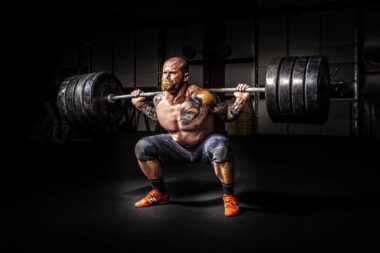
The approach to exercise differs significantly between cutting and bulking cycles. During cutting, bodybuilders typically incorporate more cardiovascular training to aid fat loss. High-Intensity Interval Training (HIIT) can be particularly effective for burning calories while preserving muscle mass. Resistance training remains a critical component but may shift in focus towards higher repetitions at lighter weights to enhance muscle endurance. The goal is to maintain strength and muscle mass while losing fat. Conversely, the bulking phase usually focuses on progressive overload in resistance training. Bodybuilders lift heavier weights with lower repetitions, encouraging muscle growth and strength. Compound movements like squats, deadlifts, and bench presses often dominate bulking workouts due to their efficiency in recruiting multiple muscle groups. Training sessions may also be longer and more intense. Bodybuilders frequently adjust their rest periods between sets during bulking to maximize muscle recovery. Incorporating variations in training styles can keep workouts engaging while pushing the body to adapt and grow during both cycles. Tailoring exercise routines supports respective goals, providing a clear path toward growth.
The differences in supplementation during cutting and bulking cannot be overlooked. Many bodybuilders rely on supplements to support their goals, with different strategies employed in each phase. During cutting, a focus on fat loss supplements such as thermogenic fat burners and appetite suppressants might be more common. Additionally, maintaining muscle mass may lead bodybuilders to prioritize branched-chain amino acids (BCAAs) and protein supplements to support recovery. Staying hydrated becomes a crucial part of both phases, often accompanied by electrolyte supplements. In contrast, during a bulking phase, bodybuilders might lean towards creatine supplements, known for their ability to enhance muscle strength and growth. Protein powders remain a staple, aiding in meeting increased protein demands while promoting recovery. Those in a bulking cycle may also explore weight gainers to effortlessly increase caloric consumption. Using supplements wisely and strategically can amplify results in both cycles. However, any supplementation should be approached with caution and ideally under the guidance of a healthcare or nutrition professional, ensuring safety and effectiveness.
Finding Your Balance: The Best Approach for Bodybuilding
Finding a balance between cutting and bulking is essential for bodybuilders aiming for long-term success. Many athletes cycle between these phases based on their individual goals, competition dates, or even seasonal changes in training focus. Biannual cutting or bulking cycles are common, with a dedication to carefully monitoring progress. Adjusting caloric intake and exercise regimens can prevent plateaus and promote ongoing development. Listening to one’s body becomes paramount throughout these cycles. Individual responses to diets and workout regimens can differ significantly, making a personalized approach vital. Some athletes may prefer longer cutting phases to attain a specific level of definition, while others may find more frequent bulking periods beneficial for muscle growth. Understanding body composition and weight management strategies can guide bodybuilders to find their optimal balance. Continuous education about nutrition and training methodologies allows athletes to evolve their strategies to harness maximal growth. In the realm of bodybuilding, successful navigation between cutting and bulking diets leads to achievement, ultimately reflected in both performance and physical appearance.
In conclusion, understanding the key differences between cutting and bulking is essential for budding and experienced bodybuilders. Each phase requires dedication, planning, and a willingness to adapt to the unique challenges presented. Knowing when to focus on fat loss versus muscle gain can make a significant difference in overall physique development. Awareness of the nutritional, psychological, and exercise variables involved deepens the appreciation of the sport, while personal experiences shape each athlete’s journey. A successful bodybuilder combines knowledge with practice, maintaining flexibility in their approach. As athletes progress, experimentation with different techniques can reveal what works best individually, allowing for continuous improvement. Establishing a strong support system also plays a role, helping bodybuilders stay motivated and accountable during both phases. Ultimately, balancing cutting and bulking is a journey that reflects growth – not only physically but also personally. Staying educated about the best practices and tapping into a supportive community enhances the experience, turning challenges into achievements. For those willing to put in the work, the results will certainly follow.