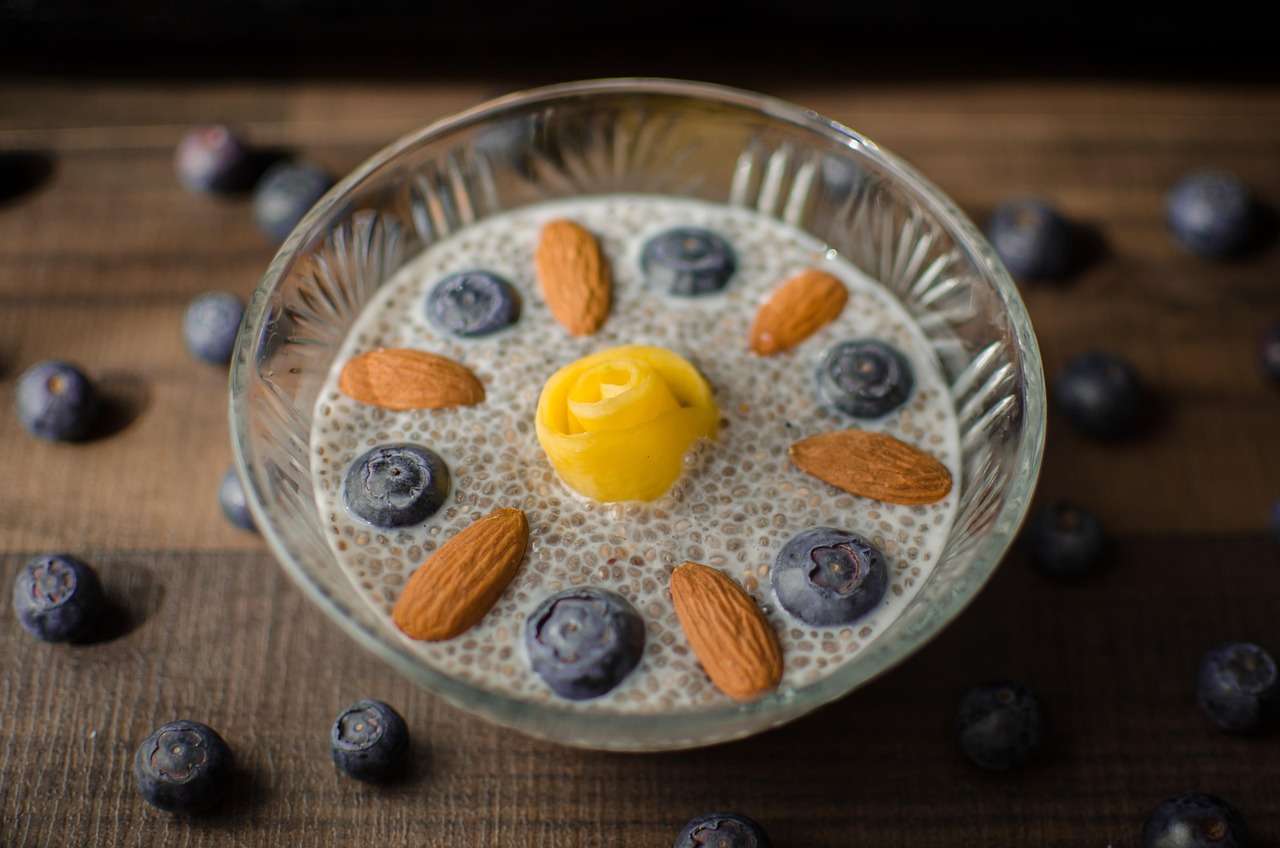

The Science Behind Chia Seeds: Superfood or Overhyped?
Chia seeds, often labeled as a superfood, have garnered immense attention for their purported health benefits. These tiny seeds are packed with nutrients, making them attractive to health enthusiasts. Rich in omega-3 fatty acids, fiber, protein, and essential minerals, chia seeds have made their way into smoothies, baked goods, and salads. Proponents argue that they can aid weight loss, improve heart health, and reduce inflammation. However, some experts suggest that while they do offer nutritional benefits, they may not live up to the superfood hype. The reality is that moderation is key, and consuming too many seeds may lead to digestive issues. Thoroughly researching impactful studies can provide more insight into the real advantages of chia seeds. Furthermore, understanding their cultural and historical importance can reshape how we view these seeds. They have been consumed for centuries by ancient civilizations, signifying an important dietary component. As the universe of nutrition evolves, it is essential to discern between factual claims and myths regarding superfoods like chia seeds. This article will explore the scientific evidence supporting or refuting the claims surrounding chia seeds.
Understanding Nutritional Value
One primary facet that must be considered when evaluating chia seeds is their nutritional value. These seeds are tiny powerhouses of nutrition that can supplement diets remarkably. With approximately 137 calories per ounce, chia seeds contain 9 grams of fat, 12 grams of carbohydrates, and a whopping 11 grams of fiber. They also provide protein, which is critical for muscle repair and growth, making them an excellent addition to vegetarian diets. Furthermore, the high content of antioxidants in these seeds can aid in combating oxidative stress in the body. However, the extent to which these nutrients affect overall health remains debatable. Some nutritionists recommend including chia seeds in a balanced diet rather than consuming them in isolation. It’s important to compare chia seeds with other superfoods, such as flaxseeds or hemp seeds, which provide similar benefits. Ultimately, focusing on a holistic view of nutrition rather than just individual superfoods enhances health and wellness. Additionally, consumers should be cautious of overhyped claims that may not be scientifically substantiated. Staying informed is essential when making dietary choices.
The source of nutrients in chia seeds plays a crucial role in their reputation as a superfood. These seeds are high in both soluble and insoluble fiber, which contributes to feelings of fullness and aids in digestion. The soluble fiber forms a gel-like substance when mixed with liquid, helping to slow down digestion. This characteristic can be beneficial for weight management, as it may reduce overall calorie intake. However, some critics argue that the evidence linking chia seeds directly to weight loss is minimal. Furthermore, the presence of omega-3 fatty acids in chia seeds also commands attention due to their anti-inflammatory properties, which may improve cardiovascular health. It’s essential to investigate how chia seeds compare with traditional sources of omega-3s, like fish. Despite the potential benefits, it’s crucial to interpret claims with caution. The research surrounding chia seeds is ongoing, and while they may be beneficial as part of a balanced diet, they are not a magic solution. Instead, incorporating a variety of foods can enhance overall nutrition. Focusing on a diverse, nutrient-rich diet may yield better health outcomes.
The Role of Chia Seeds in Diets
Chia seeds offer versatility in dietary applications, which contributes to their popularity. Whether sprinkled on yogurt, blended into smoothies, or added to baked goods, they can enrich meals. As many individuals look for plant-based nutrition, chia seeds serve as an engaging option for consumers. Their unique texture and ability to absorb liquids make them an interesting ingredient to experiment with in recipes. Furthermore, chia seeds can serve as a vegan substitute for eggs in various dishes by combining them with water, creating a gel-like consistency. This adaptability is a significant reason for their growing presence in health-oriented diets. However, certain considerations are vital to keep in mind, such as portion sizes and individual digestion. While they might fit well into many diets, overconsumption can lead to gastrointestinal discomfort. Understanding personal tolerance levels is essential for experience with chia seeds. Additionally, seeking alternatives can provide balanced nutrition. Trying various seeds and nuts within a range can be beneficial. Ultimately, adopting an open-minded approach to food often leads to exciting culinary discoveries.
Research into chia seeds often emphasizes their antioxidant properties, which can contribute to overall health. Antioxidants combat oxidative stress, a condition linked to various chronic diseases. Chia seeds may contain more antioxidants than blueberries, which is often considered the benchmark. However, the health effects of consuming chia seeds significantly in various forms remain a subject of ongoing study and exploration. Nutritionists caution against overestimating the impact of any single food item. Instead, it’s essential to look at overall dietary patterns and lifestyle choices. Furthermore, the link between antioxidants and disease prevention is complex and multifactorial. While chia seeds can be a healthy addition, relying on them solely for health benefits is not advisable. Balancing macronutrients and micronutrients is fundamental for optimal health. This means focusing on various foods rich in antioxidants. It is important to research beyond the surface before embracing any food as a miracle solution. Laboriously verifying sources and scientific backing can provide a clearer picture of nutrition myths and facts, including the claims made surrounding chia seeds as a superfood.
Addressing Myths Surrounding Chia Seeds
Many myths surrounding chia seeds must be addressed for consumers to make informed choices. One common misconception is that they are a comprehensive solution to weight loss and health enhancement. While they hold potential benefits, this doesn’t mean they replace overall lifestyle modifications necessary for success. Chia seeds should be seen as part of a broader nutritional strategy rather than a singular solution. Furthermore, some believe that adding chia seeds alone can lead to significant health benefits. In reality, effective weight management is much more complex, involving calorie balance and physical activity. Another prevalent myth is the idea that chia seeds can provide all essential nutrients. In truth, relying heavily on one food may lead to nutritional deficiencies, as variety is key to any healthy diet. Advocating moderation is essential when providing dietary recommendations. Encouraging consumers to broaden their food choices can lead to healthier outcomes. Recognizing that each element of a balanced diet contributes to optimal health is vital for realistic expectations. Continuous scrutiny of dietary insights helps debunk myths and reinforce the understanding of what actually promotes health.
In conclusion, evaluating the status of chia seeds as a superfood or overhyped ingredient calls for discernment and understanding. While they offer various nutritional benefits and serve as a versatile food option, relying on them solely is misguided. The science behind chia seeds showcases their rich nutritional profile, depicting them as beneficial. Importantly, there is no magic food; a holistic approach to nutritional health is necessary. Understanding the broader context of dietary habits is essential. Chia seeds can enhance a well-rounded diet, but they shouldn’t overshadow other nutritious foods. To maximize health benefits, it’s crucial to embrace diversity in food choices, from whole grains to vegetables and healthy fats. Exploring various superfoods can offer unique benefits and enhance overall well-being. One must continually stay informed about current research and practices in nutrition. Relaying this knowledge can lead to healthy choices that cater to individual needs. Ultimately, addressing nutrition myths and separating facts from hyperbole sets individuals on paths toward healthier lifestyles. The ongoing debate about superfoods like chia seeds highlights the importance of science-backed nutritional guidance.