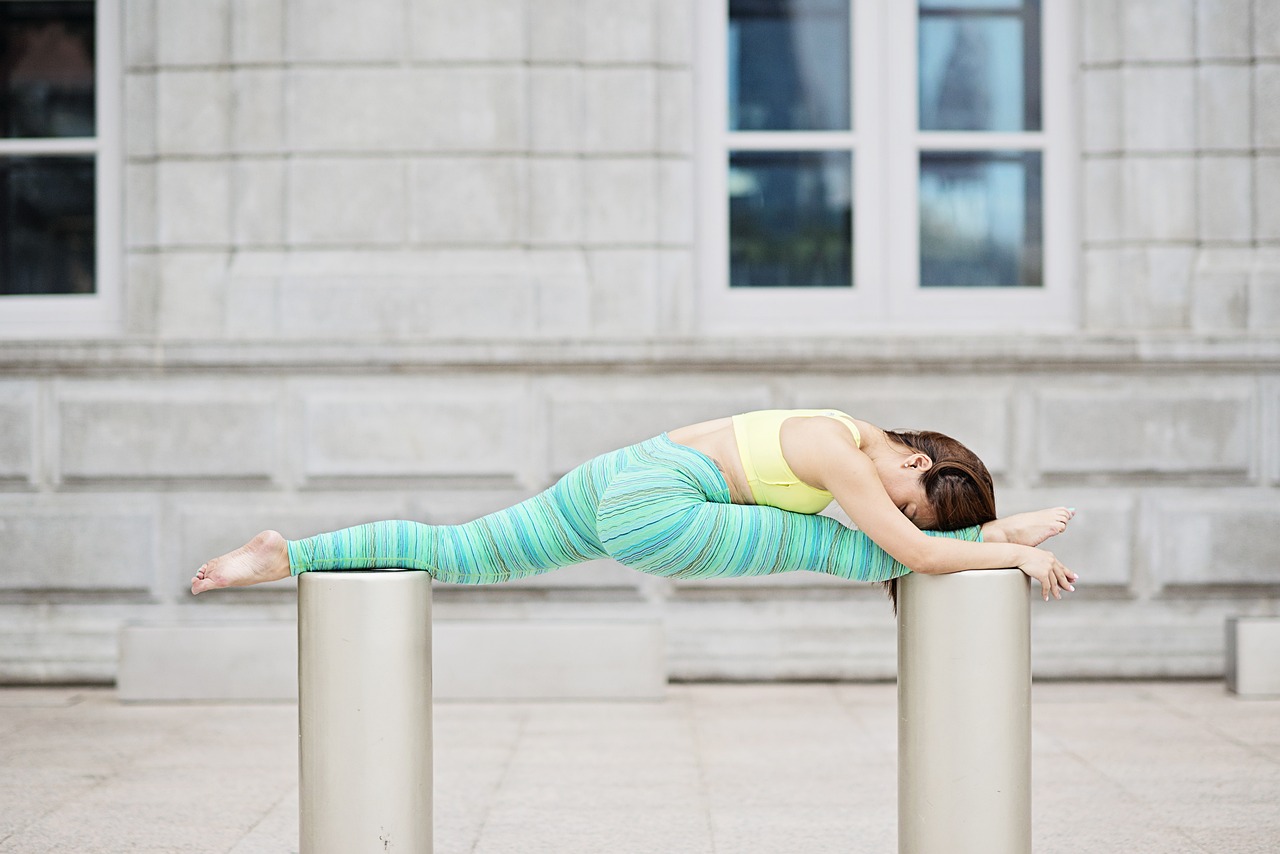

Best Warm-up Exercises to Complement PNF Stretching
PNF stretching, or proprioceptive neuromuscular facilitation, is a highly effective technique that enhances flexibility and mobility. It typically involves a combination of stretching and contracting muscles, allowing for greater range of motion. However, for optimal results, it’s crucial to complement PNF with effective warm-up exercises. Proper warm-ups prepare the body for intense physical activity, reduce injury risk, and improve overall performance. Incorporating dynamic movements can activate muscles, increasing blood flow and elasticity. These exercises should focus on major muscle groups, ensuring that the entire body is engaged. Common examples include leg swings, arm circles, and torso twists. Warm-ups can also involve joint rotations to improve mobility and prepare the body for the stretches that follow. This is essential because PNF stretching can be demanding. Neglecting the warm-up can lead to strains or discomfort. To maximize your flexibility gains, initiate your sessions with at least 10 to 15 minutes of warm-up. Subsequently, this leads to more effective stretching sessions and, ultimately, enhanced physical performance. Always remember to gradually increase intensity to suit your fitness level, particularly when beginners are involved.
Incorporating dynamic warm-up exercises, such as lunges, into your routine can greatly improve flexibility. Lunges engage key muscles in the lower body while increasing heart rate. Alternating between front lunges, reverse lunges, and side lunges is highly effective in targeting different muscles. Add in torso twists as you perform these lunges to activate your core effectively. This not only aids in warm-up but also enhances your stability. Another excellent warm-up is the high knees exercise. High knees increase blood flow and flexibility while encouraging proper gait. In addition, performing butt kicks helps activate crucial hamstring muscles and improve range of motion. These exercises can be tailored to your ability level, making them suitable for all fitness enthusiasts. Marking the beginning of your PNF stretching session with these warm-ups can create a smooth transition into muscle targeting. It is advisable to perform each exercise for 30 seconds, ensuring adequate time to prepare your muscles. Keeping your form in check is vital during these movements; this not only enhances their effectiveness but also reduces the risk of injury significantly when transitioning to more intense stretches.
Importance of Active vs Passive Stretching
Before diving into PNF stretching, understanding the difference between active and passive stretching is essential. Active stretches involve the individual contracting muscles to stretch opposing muscles, whereas passive stretches rely on an external force to help maintain a position. Both types of stretches can activate various muscle groups, leading to improved flexibility. Active stretches are particularly beneficial as they promote muscular strength, enhance coordination, and improve balance. On the other hand, passive stretching allows the body to relax more deeply into the stretch. This contrast highlights how warming up with active stretches can prepare the body effectively for PNF techniques. Dynamic versions of active stretches promote blood circulation and muscle engagement, providing the necessary activation for a successful session. Additionally, combining these stretching methods maximizes performance while minimizing the potential for injury. In particular, athletes who focus on both active and passive stretching techniques often experience superior overall flexibility and mobility results during their training. A balanced approach facilitates greater functional movement, enabling athletes to perform better during activities ranging from recreational sports to competitive performances.
Besides these benefits, focusing on the hips through warm-up exercises can substantially enhance your PNF stretching practice. Hip openers, such as figure-four stretches or butterfly stretches, directly target the hip joint. By engaging in these activities, you will significantly improve your mobility and overall range of motion in legs. Additionally, incorporating groin stretches can tighten and tone inner thigh muscles, offering a balanced lower body workout. Getting the hips and legs warmed up allows you to improve performance significantly when executing PNF stretches, as it prepares these complex muscle groups. Performing leg swings can be an excellent complement to your stretching routine, ensuring that the entire hip area is adequately prepped. Patience is key when warming up. Focus on slow movements that promote flexibility while making sure you engage your core during each stretch. This method allows you to stabilize your body effectively. Remember, the goal is to enhance your flexibility while preparing your body for muscle engagement, particularly when practicing more intense PNF stretches. This combination ultimately leads to better performance and injury prevention.
Staying Hydrated for Optimal Performance
Hydration plays an essential role in enhancing flexibility and mobility during any exercise routine, especially when combined with PNF stretching. It’s crucial to remember that adequate hydration supports metabolic processes and helps maintain muscle elasticity. This means that before you embark on your warm-up and stretching routine, drinking water should be a priority. Dehydrated muscles can lead to stiffness and increased risk of injury. Keeping hydrated encourages effective muscle contractions while improving overall function. Additionally, electrolyte balance can further enhance your workout when adequately maintained. During the warm-up phase, drink small amounts of water at intervals, avoiding excessive consumption that could lead to discomfort. Incorporating hydrating snacks such as fruits can also support hydration efforts when preparing for intense movement like PNF stretching. For those who prefer an active approach, trying coconut water as a natural hydrator can be beneficial. Consuming fluids before, during, and after exercises helps maintain performance levels and speeds recovery. These simple hydration tips can significantly enhance flexibility training, complementing your PNF sessions by ensuring that muscles remain pliable and responsive.
After completing your PNF stretching routine, consider incorporating cooldown exercises that focus on muscle recovery. A proper cooldown is equally crucial to prevent stiffness and maintain flexibility gains. Gentle static stretches targeting the major muscle groups utilized during your workout will provide a balanced approach to recovery. Post-stretching is the best time for gentle holds; consider allowing the body to experience various stretches for 10 to 30 seconds to fully relax the muscles. Cold packs or massages can complement your cooldown routine, enhancing blood circulation and reducing soreness. Include exercises that target the core and back to maintain overall stability. Effective cooldown not only aids in recovery but also plays a vital role in preventing injuries in the long run. After strenuous activities like PNF stretching, paying attention to how your body feels is essential. This could mean adjusting stretches to avoid any discomfort or potential issues. Gradually transitioning from high-intensity movements into relaxation allows your body to ease into recovery effectively. Add deep breathing exercises at the end to help oxygenate your muscles and promote tranquility after an intense workout.
Final Thoughts on Warm-ups and Flexibility
To conclude, the significance of combining effective warm-up routines with PNF stretching cannot be stressed enough. They play a pivotal role in enhancing flexibility, mobility, and overall physical performance. Whether you are an athlete, fitness enthusiast, or someone looking to improve your flexibility, incorporating comprehensive warm-ups is beneficial. Strategies such as dynamic stretches will set the perfect foundation for your PNF exercises. Furthermore, staying mindful of hydration and recovery should become integral parts of your stretching routine. By prioritizing these aspects, you can cultivate a regimen that not only allows for better movement but also emphasizes injury prevention. Always adapt your exercises to align with your fitness levels and specific needs. Consistency is the key to achieving your mobility goals. Encouraging ongoing flexibility training will lead to long-term results. Keep exploring new stretching routines that you enjoy, as this will maintain your engagement. Remember, flexibility is a journey, and with the right warm-ups, it becomes an accessible and enjoyable aspect of fitness. Embrace the process, celebrate small victories, and observe how remarkably your body responds.