
Interval Training Drills for Open Water Swim Improvement
Interval training is a key component for enhancing your open water swim performance. Incorporating structured drills into your training regimen allows you to improve speed, endurance, and efficiency in the water. It is crucial to create a plan that focuses on specific intervals, which can help swimmers adapt to the conditions they will face in races. One essential interval drill is the 5x100m swim, where you swim 100 meters at a fast pace followed by a designated rest period. Adjust your rest based on your fitness level to maximize effectiveness. Mix in different strokes to enhance overall body strength while simulating open water challenges. In addition to raw speed, work on endurance by incorporating long swims at a consistent pace. Track your times and focus on reducing your rest intervals as you progress. Remember to warm up before engaging in these drills. Using a pace clock can provide motivation and help monitor improvements. Another effective drill is the pyramid workout, which builds stamina while promoting flexibility in distance and pace adjustments.
A great drill for enhancing breathing technique is the three-stroke breathing pattern. This drill teaches swimmers to breathe efficiently while maintaining a streamlined position in the water. To perform this drill, swim three strokes to one side, followed by three strokes to the other side, focusing on your breathing rhythm. This process allows swimmers to practice bilateral breathing, which is essential for navigating competitive swim environments. Additionally, consider incorporating the pull buoy into your training sessions. A pull buoy helps isolate the upper body, enabling swimmers to strengthen their arms while minimizing leg fatigue. Combining a pull buoy with interval sets can maintain your heart rate and improve your upper body strength significantly. Swimming with resistance bands also adds a valuable dimension to your swim training. Attach them around your ankles while swimming to increase drag and enhance strength in your kicks. Ensure every swim session is planned to include a variety of drills to keep workouts engaging. Lastly, always emphasize a cooldown after your interval training to aid recovery. Incorporating stretches can further speed up the recovery process while keeping potential injuries at bay.
Advanced Interval Techniques for Competitive Swimmers
For those looking to push their limits further, advanced interval training techniques are crucial. One effective method is ‘variable pacing.’ This training involves swimming at various speeds within the same workout, ensuring fluctuating intensity levels. Start by swimming 200 meters at a steady pace, then increase the intensity for the next 100 meters. Afterward, slow down for an additional 100 meters, followed by a sprint of 50 meters. This method conditions the body to adapt to varying race conditions that often occur during competitive events. Another advanced drill to consider is the negative split swim—starting the first half of the swim at a slower pace and then picking up speed in the second half. This helps in developing mental toughness and racing strategy. As you build stamina and speed, try incorporating sets that mimic the conditions of open water, including sprints followed by slower recovery laps. This simulates race conditions and sets the groundwork for strategic pacing. Periodically assess your performance metrics using wearable tech, allowing you to track improvements effectively over time as your training progresses.
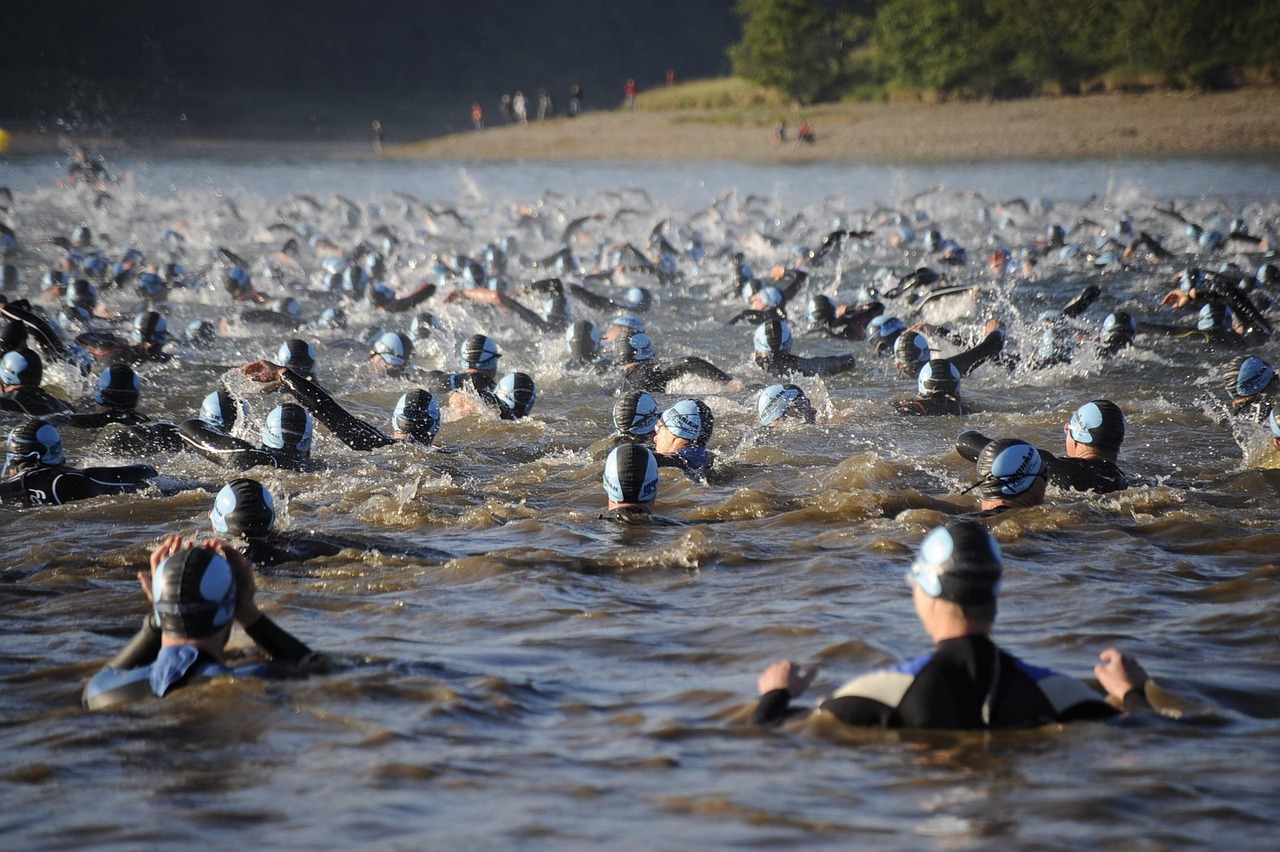
Another essential aspect of interval training for open water swims is mastering the start and turns. Open water events usually involve chaotic starts, requiring you to adapt quickly and efficiently during the race. In training, use short sprints (25-50 meters) that simulate starts and practice controlling your effort when entering the water. Focus on explosiveness in your starts, accelerating quickly to gain an advantage over your opponents. During interval workouts, incorporate swim sets that involve sharp turns and breakouts. These drills help improve coordination and body positioning. Additionally, another crucial drill includes practicing to swim through chop and waves to build confidence in your skills. Use a swim buoy to simulate conditions like currents or rough waters, especially if training in non-sheltered environments. A dynamic training session can help promote adaptability and teach you to navigate obstacles that may arise in races. Lastly, always reflect on your performance after each training session. Observing your strengths and weaknesses enables you to adjust your technique and improve performance systematically over time.
Boosting Endurance through Structured Training
Increasing your endurance is vital for long-distance open water swims. Implementing structured interval workouts focusing on distance builds stamina effectively. Aim for at least one long swim per week, gradually increasing the distance over time. For example, consider intervals of 400 meters at a moderate pace, followed by 200 meters at a quicker pace. This structure preserves energy while ensuring you can maintain speed as fatigue sets in. Likewise, include a mix of tempo and steady-state intervals. Tempo work should last between 5 to 10 minutes, focusing on maintaining a specific pace without undue fatigue. Steady-state sets can also develop muscle memory by swimming longer distances at a uniform speed. As performance improves, add complexity by decreasing rest intervals between sets. This forces your body to adapt to maintaining speed despite fatigue. Utilize varied terrains for open water training; practicing in different conditions prepares you for various race scenarios. Always incorporate a hydration plan during long swims to mimic race day hydration needs. Proper nutrition on training days will also ensure peak endurance levels.
Lastly, incorporating strength training into your routine will develop supportive muscles that aid your swimming performance. Focus sessions around exercises targeting the lats, shoulders, and core to promote stability and strength in your stroke. Bodyweight exercises, such as push-ups and dips, are excellent for maintaining resilience while keeping you swim-ready. Additionally, other complementary workouts, including resistance training through bands or weights, can enhance power generation in your aquatic movements. Design sessions that include circuit-style training, alternating between strength exercises and swimming intervals. This maximizes your training session’s efficiency while retaining swim adaptations. Integrate cross-training activities like cycling, running, or yoga to promote overall body flexibility and strength outside water conditions. Yoga, specifically, aids in improving breathing techniques while cultivating mental focus essential during racing conditions. Always end your strength workouts with a cooldown routine to promote recovery and prevent injuries. Consider scheduling at least two strength sessions weekly to maximize benefits. By diversifying your training regimen, you can effectively develop the range of skills necessary for enhancing your performance in open water swims. Therefore, prepare effectively for the best race day experience.
In conclusion, interval training is essential for open water swimmers looking to enhance their performance. Integrating various drills and methods will improve your swimming speed, endurance, and mental focus necessary during competitive events. Pacing, strength training, and flexibility are all crucial aspects that lead to overall improvements in swim efficiency. Always ensure your training plans are adaptable to meet your evolving fitness levels as you progress. Prioritize consistency in your workouts and maintain a balanced approach to endurance and sprint sets. Pay attention to your nutrition and hydration as it plays a significant role in your training success. Utilize friends or coaches to assist during training; feedback can help you correct mistakes and refine your technique. Furthermore, don’t forget the mental aspect of racing—preparing yourself mentally for the challenges of open water is just as-important as physical training. Following these guidelines diligently will facilitate steady improvements over time, making you a more efficient and powerful swimmer. Welcome every new training session with positivity and determination, allowing each workout to be an opportunity to strengthen your abilities. Through commitment, swim intervals can lead to significant gains across various aspects of your performance.
Consider documenting your journey and progress in a training log to create a visual map of your improvements. Tracking metrics like swim times, distances, and intervals will highlight your achievements and areas of improvement. Use apps or traditional journals that suit your preferences, ensuring that you remain engaged in your workout regimen while maintaining accountability. Additionally, seek community support through swim clubs or training partners who share your goals. Between shared experience and competitive spirit, your motivation will increase, benefiting your training outcomes. Regularly interacting with fellow athletes provides insights into different training techniques and swimming practices, broadening your swimming knowledge. Encourage participation in open water races or organized swimming events to challenge yourself after suitable training periods. Competing can reignite your passion for the sport while helping you apply the skills and techniques learned in training. Always remember to engage with any resources or educational articles that can boost your understanding, allowing you to make informed choices in your training. Ultimately, the journey to mastering open water swimming through interval training will enrich your skills and build a strong foundation for future successes.