
Yoga Poses That Complement Your Bodyweight Workout Cool-Down
After engaging in a vigorous bodyweight workout, it is essential to incorporate effective cool-down techniques. One of the best ways to facilitate recovery involves practicing specific yoga poses. These poses not only help relax the muscles but also improve flexibility and reduce the risk of injury. By using yoga as a cool-down technique, you can transition your body from an active state to a restorative one, allowing you to enjoy the benefits of your workout more fully. Many yoga poses focus on stretching major muscle groups used during bodyweight exercises. This enhances blood flow to the muscles, potentially alleviating soreness. Moreover, yoga encourages mindfulness and stress relief, adding mental benefits to physical recovery. Incorporating calming breathing techniques while performing these stretches can further promote relaxation. Among the beneficial poses, you may find Child’s Pose, Downward-Facing Dog, and Pigeon Pose particularly helpful. Each pose targets different areas of the body, ensuring comprehensive relief. Understanding the techniques involved in each pose will allow you to maximize the effectiveness of your cool-down routine.
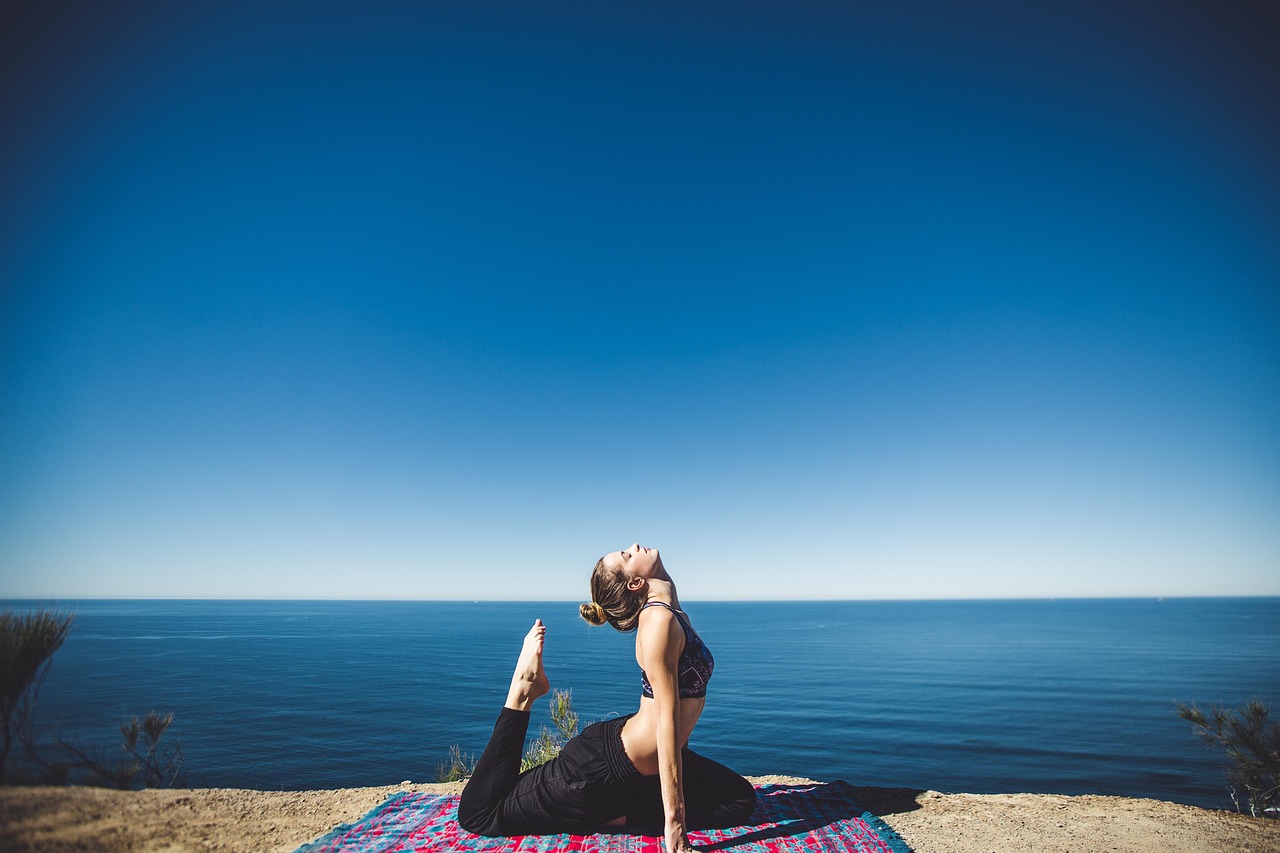
Now, let’s delve into specific yoga poses that you can perform after bodyweight workouts. One fascinating choice is the Child’s Pose. This pose helps to elongate the spine, promotes deep breathing, and encourages relaxation. Begin by kneeling and bringing your big toes together, sitting back on your heels. Then, extend your arms forward on the mat, allowing your forehead to come down. Hold this position, focusing on your breath, and let tension seep away. Another excellent option is the Downward-Facing Dog. This inversion stretches the entire posterior chain, enhancing flexibility and decreasing overall tightness. Start on all fours, lifting your hips up and back while keeping your spine straight. Press your heels towards the floor, creating a lengthened stretch. Maintain this pose for a few breaths. Additionally, Pigeon Pose offers a fantastic hip opener that helps alleviate tightness from squats or lunges. From a downward dog, bring one knee forward and fold your leg in front of you. Extend your other leg straight behind you. Breathe deeply here and appreciate the calming effect.
Along with Child’s Pose, Downward-Facing Dog, and Pigeon Pose, the Figure Four Stretch is another excellent way to cool down after bodyweight workouts. This pose gently stretches the hips and glutes, which can often feel tight after exercises that involve squats or lunges. To perform Figure Four Stretch, lie on your back and cross one ankle over the opposite thigh. Gently pull the uncrossed leg toward your chest, feeling the stretch in your glutes and hip area. Hold this position for several breaths before switching sides. Another beneficial pose is the Cobra Pose, which opens up the chest and stretches the abdominal region. Start by lying face down and placing your hands under your shoulders. As you inhale, press into your hands while lifting your chest off the floor. Ensure that your shoulders stay relaxed. This pose counters any hunching that might happen during bodyweight workouts. Each of these poses contributes to increased flexibility, muscle recovery, and mental calmness, significantly enhancing your post-workout experience.
Combining Mindfulness with Movement
Incorporating yoga into your cool-down routine is not just about physical benefits; it also focuses on mindfulness. After an intense workout, your mind might still be racing. Mindfulness is an essential component of yoga that helps you reflect on your workout experience. By practicing mindfulness during your cool-down, you create a connection between your body and mind. This practice can help alleviate post-workout anxiety, allowing you to fully appreciate your effort. As you transition into each pose, stay present in the moment and focus on your breath. Visualization techniques can further enhance your experience. Imagine releasing tension and fatigue with each exhale. Doing this consistently can help form healthy mental habits. You will find that integrating mindfulness into your cooldown enhances both physical and psychological recovery after demanding workouts. Each time you complete your bodyweight workout, allow this gentle practice of awareness and calmness guide you through your transition into rest and relaxation. Practicing these techniques becomes a ritual that you look forward to, providing a satisfying conclusion to your high-energy sessions.
Moreover, utilizing props such as yoga blocks or straps can significantly improve the quality of your stretches. These props allow you to achieve poses more comfortably, helping you deepen your stretches without straining. If you’re new to certain poses, don’t hesitate to use props to guide you into the correct position. For instance, in Pigeon Pose, a block can help support your hip as you lean forward. This support will encourage a deeper opening without compromising your form. Additionally, if you find balancing difficult during poses like Downward-Facing Dog, using blocks can provide stability. Don’t overlook the importance of props in enhancing your practice. Further, you can also explore restorative yoga poses, which focus on relaxation and gentle stretches. By employing a combination of active stretching with restorative poses, you create a balanced cool-down routine. This allows your body to recover fully while enjoying the calming effects of yoga. Adapting your routine using props and restorative techniques will make your cool-down sessions not only effective but also enjoyable.
The Benefits of Regular Cool-Down Practices
Incorporating these yoga poses into your regular cooldown routine has numerous benefits. One significant advantage is improved flexibility. Regular practice of these stretches can lead to better range of motion in your joints and reduced muscle tightness, which enhances overall physical performance. Additionally, these cooldown techniques help facilitate the recovery process. Engaging in gentle, mindful movement promotes blood circulation to fatigued muscles, delivering oxygen and nutrients necessary for repair and healing. As a result, you may experience fewer instances of muscle soreness and stiffness following intense workouts. Moreover, practicing yoga after exercise can significantly lower stress levels. Many yoga poses induce relaxation and promote mindfulness, which can help counteract the physical effects of stress on the body. Each cooldown session becomes a moment to reset both physically and mentally. This enhanced relaxation can positively influence your sleep patterns, further supporting recovery. Consistency is key to enjoying these benefits. By forming a habit of including yoga in your cooldowns, you set yourself up for success in achieving physical and mental well-being in your fitness journey.
Lastly, don’t forget to listen to your body throughout your cooldown routine. Each individual is different, and what feels comfortable for one person may not for another. Adjust the intensity of each pose according to your needs and comfort levels. Pay attention to any signs of discomfort or tightness, and modify or skip poses that don’t resonate well with your body. If you notice persistent tightness in certain areas, consider focusing on those during your cooldown sessions. Additionally, be patient with yourself as you develop your practice. Yoga is a journey, and every session offers an opportunity to explore your body’s limits and capabilities. Regularly reflecting on your progress fosters a deeper understanding of your body and its needs. Over time, you will likely find significant improvements in your flexibility, relaxation, and overall wellness. Make it a point to dedicate this time to your body and mind after each workout. The effects will compound, leading to a more effective fitness regimen and a profound sense of balance in your health.
In summary, yoga poses serve as an ideal complement to bodyweight workouts, offering effective cool-down techniques. By integrating poses like Child’s Pose, Downward-Facing Dog, Pigeon Pose, Figure Four Stretch, and Cobra Pose, you create a holistic recovery process. Additionally, introducing mindfulness into your routine enhances self-awareness, improving your mental state. Utilizing props can further tailor your practice to your specific needs and comfort. The benefits of regular cool-down practices are numerous, including increased flexibility, improved muscle recovery, and reduced stress levels. Listening to your body is crucial, allowing you to adjust your approach as necessary. Therefore, make these remedies a priority in your fitness journey to ensure optimal performance. The routine you establish after a workout can substantially impact your overall success, both physically and mentally. Go ahead and explore these yoga poses systematically to maximize recovery. With dedication and consistency, you’ll transform cool-downs into a cherished ritual that promotes ongoing well-being. Always allow space for patience and personal growth within this practice for the best outcomes. Enjoy your exploration of these complementary techniques to enhance your fitness experience.