
Adaptive Aquatic Fitness Therapies for Neurological Rehabilitation
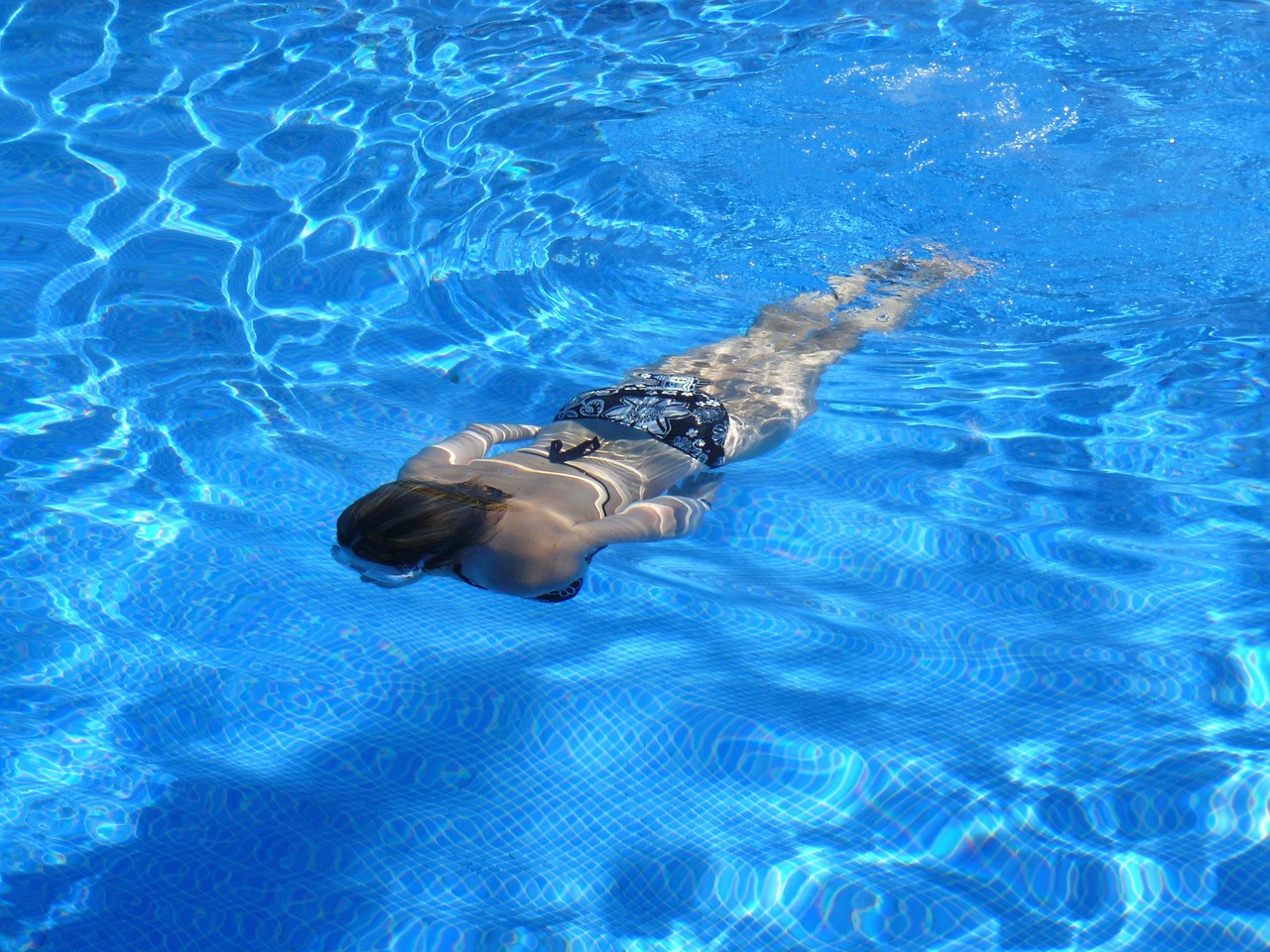
Adaptive aquatic fitness therapies are becoming increasingly popular in the rehabilitation of individuals with neurological disorders. This approach utilizes the unique properties of water to facilitate movement and therapy. Research indicates that activities performed in a pool create significantly less strain on joints and limbs, enhancing mobility and overall health. The buoyancy offered by water provides a safe environment, allowing patients to perform exercises that might otherwise be difficult or impossible on land. This makes aquatic therapy particularly beneficial for conditions like multiple sclerosis, Parkinson’s disease, and stroke recovery. Additionally, aquatic environments can create a calming atmosphere that reduces anxiety levels, promoting mental well-being. Instructors adept in adaptive methods can tailor exercises specifically to individual needs and capabilities. The combination of physical activity with sensory stimulation from the water can foster improved motor skills and coordination. Participants also experience increased social interaction, which is essential for emotional support. Group sessions promote camaraderie among individuals facing similar challenges, adding to the therapeutic effect of these sessions. Overall, aquatic therapy stands out as a versatile and effective treatment modality for those dealing with neurological impairments.
A variety of techniques can be used in adaptive aquatic fitness therapies, enhancing rehabilitation possibilities. These range from basic water exercises to advanced therapeutic practices designed for those with neurological challenges. Exercises may incorporate flotation devices or resistance tools to further enhance the workout experience. For example, the use of kickboards, noodles, or specialized aquatic dumbbells can increase resistance and provide support, making it easier for clients to engage in meaningful movement. Such personalized adaptations ensure that exercises remain within safe limits while still pushing boundaries towards improved functionality. Moreover, instructors can integrate various modalities, such as gentle stretching, swimming strokes, and cardiovascular activities, into sessions, maximizing the benefits of each. Adapting traditional exercises specifically for water settings can also help participants gain confidence as they improve their strength and balance. Regular participation contributes to overall fitness and can lead to significance in day-to-day activities. Individuals who partake in aquatic therapy routinely report improvements in their quality of life, including enhanced independence and reduced symptoms. Furthermore, research continues to emerge, revealing more about the long-term effects of regular aquatic therapy as a significant component of neurological rehabilitation.
Improved Physical and Mental Health
Physical fitness is crucial for rehabilitation following neurological disorders, and aquatic therapy significantly improves patients’ strength and mobility. Engaging in water-based exercise enhances muscle strength, flexibility, and overall coordination, which are essential aspects of recovery. The therapeutic properties of water allow individuals to engage in a comprehensive workout without the fear of injury typically associated with high-impact land exercises. Moreover, the soothing nature of water also helps reduce physical discomfort and promotes relaxation during workouts. The mental health benefits of aquatic fitness therapies cannot be understated. Engaging in regular physical activity, especially in a group setting, nurtures emotional well-being, alleviating feelings of depression and isolation that can accompany chronic conditions. Group classes foster relationships, allowing individuals to find solace in shared experiences, leading to increased motivation to participate actively in rehabilitation. Participants often report feeling empowered as they overcome challenges and set new goals, providing a sense of accomplishment through their journey. By fostering both physical and emotional resilience, adaptive aquatic fitness therapies create a holistic approach to rehabilitation that addresses multiple aspects of an individual’s life, paving the way for improved health outcomes.
Building a Connection with Instructors
One of the most vital components of adaptive aquatic fitness therapies is the relationship between participants and instructors. Skilled instructors trained in adaptive techniques play a crucial role in creating a safe and comfortable environment for all participants. They possess the knowledge required to tailor workouts according to individual capacities, ensuring that adaptive practices meet specific rehabilitation goals. Instructors also provide crucial motivation and encouragement, helping clients navigate the challenges associated with recovery. Establishing a meaningful connection allows instructors to better understand participants’ fears or limitations, allowing tailored adjustments to the exercises. This personalized approach becomes even more essential for individuals battling neurological disorders, as rehabilitation journeys can be particularly daunting. Instructors that foster a supportive environment help minimize anxieties participants may face, ultimately enhancing their overall experience. Furthermore, instructor feedback encourages individuals to increase their efforts and improve abilities gradually over time. The bonds formed during these programs can significantly impact a participant’s willingness to engage in therapy. Building trust enhances rapport, leading to a more productive rehabilitation process fueled by a sense of community and recognition of individual progress.
Adaptive aquatic fitness programs have shown promise in providing improved balance and coordination for those with neurological disorders. These skills are vital for daily living activities and can be challenging for individuals with specific conditions. The unique properties of water can facilitate the gradual enhancement of balance as individuals engage in various activities designed to improve stability. Many assessments reveal that patients participating in aquatic sessions often exhibit improved gait patterns and inferior fall risk. Water immersion allows individuals to experience reduced weight-bearing effects, which enables them to explore movements without unnecessary strain or risk of injury associated with land activities. Engaging in controlled aquatic exercises fosters body awareness, enhancing patience and coordination. The level of support from water provides a safe space for experimentation with movements, translating to greater confidence in land-based activities. Positive feedback from instructors can bolster confidence levels, encouraging participants to aim for higher achievements safely. Continued participation in aquatic therapy results in cumulative benefits as patients strengthen their bodies and minds. These improvements can often translate into independence and higher quality of life, with long-lasting effects extending beyond therapy sessions.
Incorporating Family and Caregivers
Involving family members and caregivers in adaptive aquatic fitness therapies can significantly enhance the overall experience for individuals with neurological disorders. Family support is essential for motivation, ensuring consistency in program participation, and encouraging emotional well-being. Family members can play an active role by attending sessions, engaging in shared activities, and reinforcing the importance of physical fitness overall. Aquatic therapy sessions welcome family involvement, offering opportunities for shared experiences that foster connections and support. Such participation reflects a collaborative approach to rehabilitation that nurtures emotional bonds and provides encouragement beyond the aquatic environment. Caregivers also gain valuable insights into adaptive techniques used during therapy, enabling comprehensive support on land. This holistic approach enables families to actively support their loved ones in building strength and resilience, fostering independence over time. The ability to practice rehabilitation strategies together can enhance the home environment, making it more conducive to practice and physical activity. As family members gain confidence in supporting caregivers, the overall rehabilitation experience significantly improves, creating a more harmonious dynamic as rehabilitation goals are pursued collaboratively and collectively.
As the field of adaptive aquatic therapy continues to grow, ongoing research is crucial to understanding its efficacy and refining methodologies. New studies are examining various aspects of aquatic therapies, providing insights into best practices for individuals facing neurological challenges. This evidence-based approach allows practitioners to adapt programs based on the latest findings, optimizing outcomes for participants. Furthermore, research into specialized aquatic modalities, such as hydrotherapy and aquatic Pilates, reveals the contrasting benefits each method can offer. Practitioners are being encouraged to explore these varied techniques to meet unique participant needs. Increased collaboration among researchers, therapists, and healthcare professionals fosters an interdisciplinary approach, enhancing the quality of service provided. All these components ensure that participants receive comprehensive care through program refinement tailored to their specific abilities and challenges. Improved awareness surrounding the benefits of aquatic fitness therapies can also increase access to resources and referrals for aquatic programs. As awareness grows within the healthcare community, more individuals can discover therapeutic aquatic fitness options. Ultimately, the future holds the promise of even greater advancements in adaptive aquatic fitness, ushering in a new era of rehabilitation possibilities for those with neurological disorders.
A wide range of adaptive aquatic fitness programs is available to assess participants’ individual needs and tailor sessions accordingly. These programs provide not only a physical outlet but also emotional space for thriving within supportive environments. This holistic approach capitalizes on the unique therapeutic benefits of water for individuals undergoing neurological rehabilitation. Overall, adaptive aquatic fitness therapies demonstrate remarkable potential as valuable components of comprehensive rehabilitation regimes!