
The Cultural Roots of Tai Chi and Their Relevance in Modern Mental Health Care
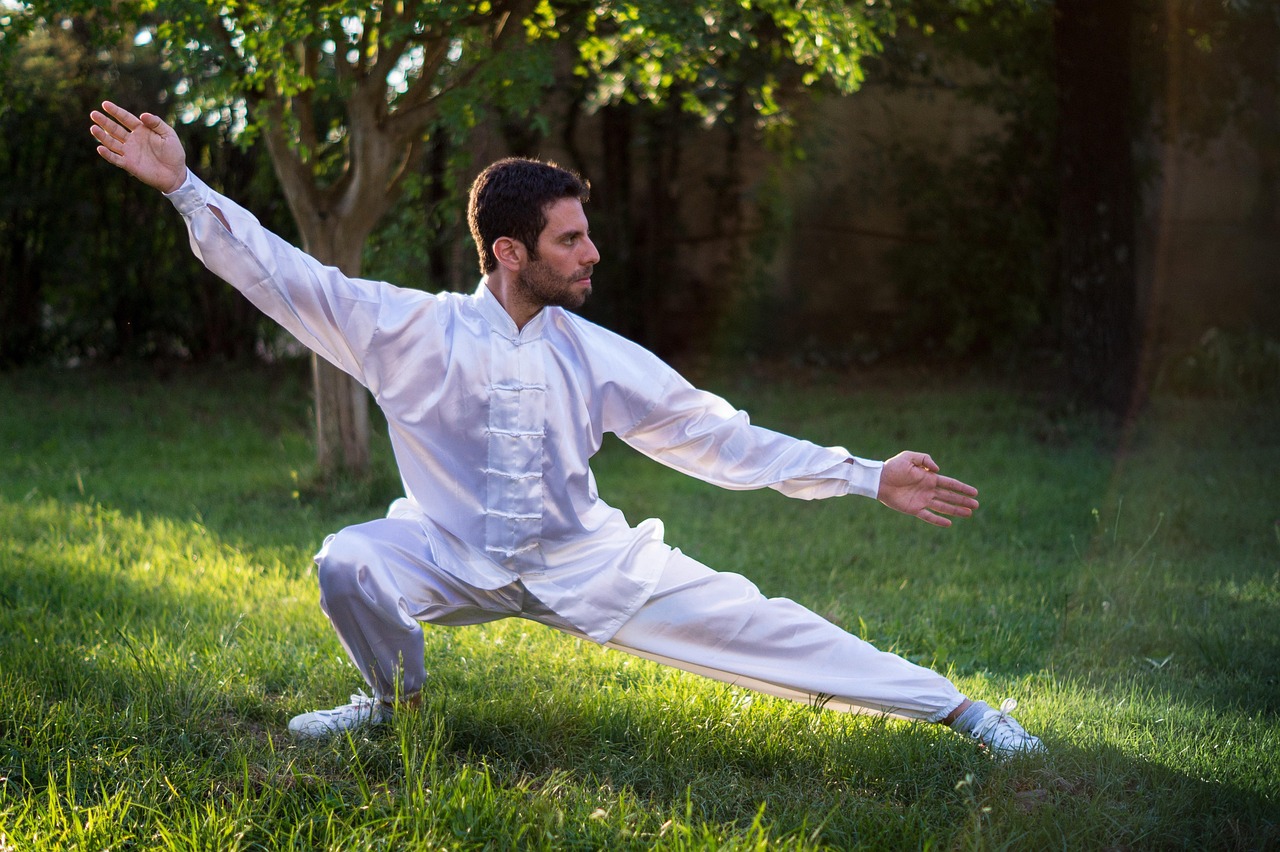
Tai Chi, an ancient Chinese practice, has its roots deeply embedded in cultural traditions prioritizing harmony and balance. With origins tracing back to the 13th century, Tai Chi was initially developed as a form of martial arts. Practitioners recognized its physical benefits alongside a growing emphasis on mental well-being. Over centuries, these principles evolved, culminating in a unique practice revered in the realms of meditation and holistic health. Modern research highlights Tai Chi’s ability to reduce stress, anxiety, and symptoms associated with mental disorders. Studies indicating its efficacy show how slow, deliberate movements can enhance body awareness and promote relaxation. Furthermore, the components of Tai Chi, including mindfulness and deep breathing, create a conducive environment for mental healing. In modern health care, integrating traditional practices like Tai Chi serves as an alternative form of therapy that resonates with individuals seeking natural methods to cope with mental health challenges. The cultural significance of Tai Chi fosters a sense of community among practitioners, enhancing social support vital for mental health recovery. Exploring these cultural roots reveals invaluable insights for contemporary therapeutic practices and promotes emotional resilience.
Tai Chi incorporates elements of martial arts, philosophy, and traditional medicine highlighting the uniqueness of Chinese culture. This multifaceted approach emphasizes the interconnectedness of physical and mental health. The core tenet of Tai Chi involves the flow of Qi (life energy), central to many Eastern philosophical practices. By cultivating Qi through slow, rhythmic movements, practitioners aim to restore balance within their bodies and minds. This balance is crucial as mental health issues often arise from disturbances in our energy systems. Tai Chi encourages the release of pent-up emotions and stresses, crucial for psychological well-being. Research has indicated that participants in Tai Chi classes experience significant reductions in anxiety, depression, and stress levels. This intriguing relationship between Tai Chi and mental health suggests that such practices are not merely historical but highly relevant in today’s fast-paced world. Combining ancient wisdom with contemporary needs, the emphasis on holistic well-being is more important than ever. As global interest in mental health grows, Tai Chi’s relevance in modern therapy increases, presenting a culturally rich, accessible approach to emotional management. Further exploration into its principles fosters an appreciation for integrative approaches within mental health care systems.
Empirical Evidence Supporting Tai Chi
Numerous studies shed light on the positive impact of Tai Chi on mental health. For example, systematic reviews have reported significant improvements in anxiety symptoms among participants practicing Tai Chi regularly. The low-impact nature of Tai Chi makes it accessible for various populations, including older adults and those with physical limitations. Studies show that older adults participating in Tai Chi can experience not only improved physical health but also enhanced feelings of well-being. Moreover, research highlights Tai Chi’s role in reducing cortisol levels, often referred to as the stress hormone. By lowering cortisol, practitioners can experience a natural decrease in anxiety symptoms. Additionally, sessions often include mindfulness meditation, enhancing mental focus and calmness. The social aspects of group classes contribute to these positive experiences, offering a support network that combats feelings of isolation common among those facing mental disorders. This combination of physical movement, mindfulness, and social interaction creates a powerful therapeutic framework. As health systems increasingly recognize the importance of holistic approaches, Tai Chi presents an excellent model for integrating culture-driven practices into mainstream mental health care, emphasizing the necessity of tailored treatment options for diverse populations.
Incorporating Tai Chi into mental health care could revolutionize therapeutic practices. Given its cultural roots, Tai Chi allows therapists to connect individuals with a rich history that promotes healing through introspection and movement. The incorporation of mindfulness has become particularly relevant in psychological treatments such as cognitive behavioral therapy (CBT). Utilizing Tai Chi can complement these methods by enhancing clients’ awareness of their thoughts and feelings, promoting emotional regulation. Mental health professionals focus on building resilience within their clients, and Tai Chi’s emphasis on balance and flow contributes significantly to that goal. Moreover, the non-competitive nature of Tai Chi cultivates self-acceptance, reducing the stigma often associated with mental illnesses. Individuals are encouraged to practice at their own pace, fostering personal growth and acceptance. Such practices empower individuals, bolstering their self-esteem by demonstrating that progress is subjective and personal. Patients often report feeling a renewed sense of control over their mental health following Tai Chi sessions. Therefore, mental health care strategies incorporating culturally relevant practices like Tai Chi reflect an understanding of individual needs, ultimately leading to more significant healing opportunities within communities.
Community and Cultural Relevance
The communal aspect of Tai Chi cannot be overstated, as it plays an essential role in promoting mental well-being. Community is fundamental in many cultures and is vital for providing support systems for individuals facing mental health challenges. Tai Chi classes foster connections among participants, creating a network that encourages sharing experiences. This social interaction can be instrumental in combatting feelings of loneliness and isolation, prevalent among individuals with mental disorders. Regular attendance in these community-focused classes cultivates friendships and mutual support that enhance the practice’s benefits. Additionally, the inclusion of Tai Chi within group settings empowers participants, allowing individuals to share their journey towards mental wellness. Such environments promote understanding and acceptance, critical factors in the healing process. Promoting mindfulness and physical fitness together, Tai Chi nurtures overall mental health. As mental health disorders rise globally, understanding the community aspect provides insights into improving care standards. Integrating culturally relevant practices like Tai Chi facilitates holistic treatment strategies that resonate deeply with individuals, bridging the gap between mental health services and community wellness initiatives.
Diving deeper into Tai Chi highlights various styles that embody unique principles and techniques relevant to mental health. Different styles, such as Yang and Chen, emphasize various aspects of movement and energy flow, which can cater to individual preferences and needs. The adaptability of Tai Chi practices allows it to suit diverse populations, making it an attractive option within therapeutic environments. Practitioners can explore different styles and select those resonating with their mental health treatment goals, fostering a sense of autonomy in their journey. Moreover, themes of yin and yang in Tai Chi reflect the importance of balance, a principle that transcends mere physicality and extends into emotional and psychological dimensions. Understanding mental health disorders within this framework encourages individuals to seek balance in their lives, inspiring personal growth. Tai Chi’s cultural narratives personify broader experiences, illuminating the struggles and journeys many face in managing mental disorders. As practitioners learn to align their movements with philosophical teachings, they gain insights into their own mental health, reinforcing the need for an integrated approach in therapies. This balance between mental and physical health continues to be critical as society navigates growing mental health challenges.
The Future of Tai Chi in Mental Health
Looking ahead, Tai Chi holds promise for the future of mental health care. As practitioners and researchers continue exploring the cultural roots of this traditional practice, its application in modern therapy will likely expand. Increased awareness about the benefits of Tai Chi can lead to more integration within healthcare systems, creating comprehensive approaches to mental health. Educational efforts focusing on Tai Chi’s benefits could encourage wider acceptance among mental health professionals. Furthermore, the rise of telehealth and online resources could promote Tai Chi practices, making them accessible to a broader audience. The blend of technology with traditional health practices allows patients to engage with Tai Chi classes remotely, ensuring continuity in their therapeutic journeys. As studies confirm its benefits, Tai Chi may become a staple in mental health strategies, providing both individuals and communities with tools for resilience and recovery. Thus, fostering greater collaboration between traditional practices and modern psychology will pave the way for holistic care models that address mental health responsibly. As global mental health challenges rise, Tai Chi remains a culturally rich and effective tool with profound implications for future mental health care.
In conclusion, the cultural roots of Tai Chi provide valuable insights into constructing comprehensive mental health care approaches. By integrating traditional practices with contemporary therapies, individuals may find a potent pathway toward healing and resilience. Tai Chi not only promotes physical well-being but also nurtures emotional health, making it a multifaceted practice that benefits a wide array of populations. Embracing Tai Chi within mental health care highlights the importance of holistic strategies that resonate with cultural identities and values. The impact of social support, anxiety reduction, and mindfulness in Tai Chi creates a robust framework that can enhance therapeutic outcomes. Therapists combining Tai Chi with established mental health practices can introduce innovative strategies for emotional management. The alignment of Tai Chi’s philosophies with contemporary therapeutic goals emphasizes its enduring relevance. Adequately addressing mental disorders through integrated practices ensures patient-centered care that fosters long-term resilience. Overall, incorporating Tai Chi’s cultural richness into modern healthcare may pave the way for more nuanced and effective mental health solutions as practitioners seek comprehensive approaches to support those in need.