
Balancing Rest and Activity for Year-Round Post-Workout Recovery
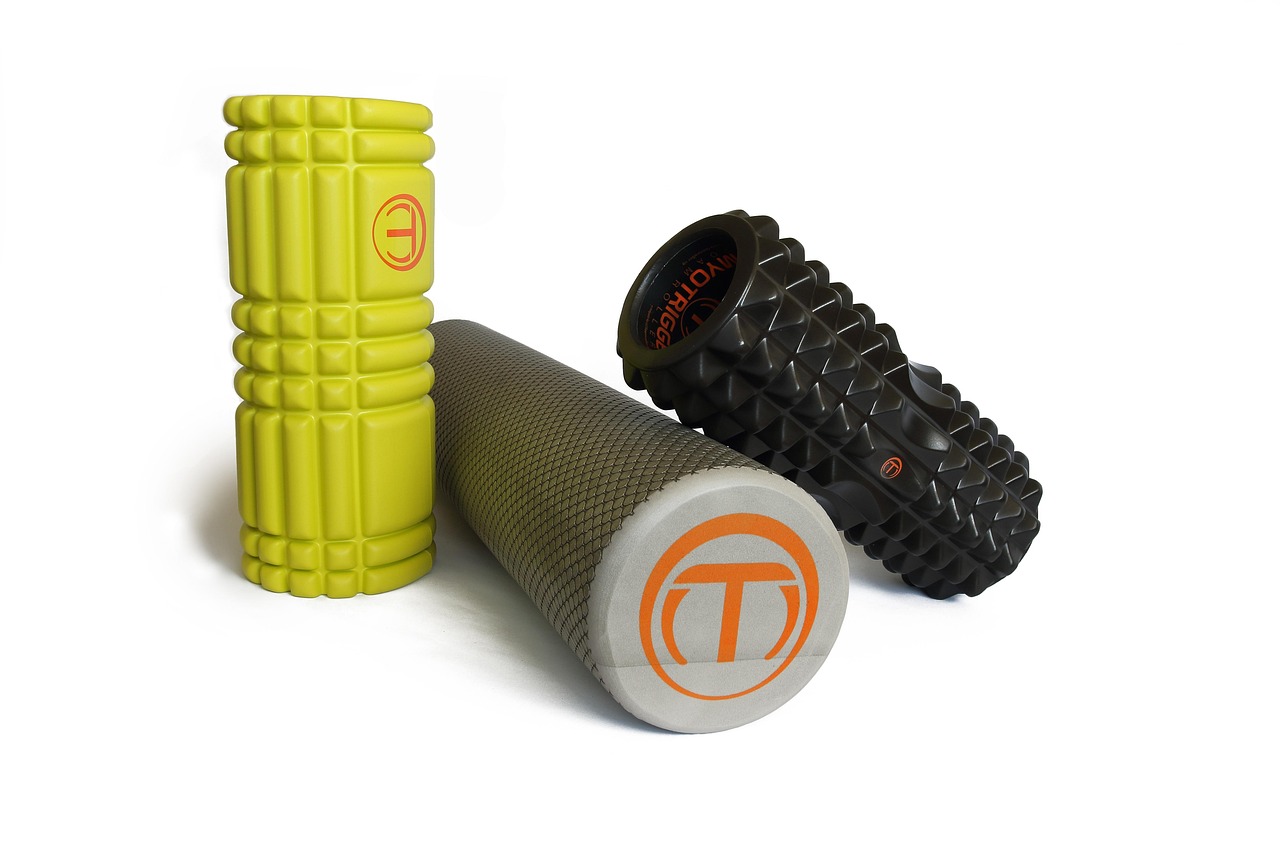
Your post-workout recovery is as crucial as the workout itself. Balancing rest and activity involves integrating various strategies to optimally enhance your recovery process. A fundamental aspect of post-workout recovery is hydration. Properly replenishing fluids ensures that your muscles remain well-hydrated, minimizing fatigue. Nutritional intake is also essential; include proteins, healthy fats, and carbohydrates in your diet to support muscle repair. Active recovery days can help maintain circulation and facilitate quicker recovery. Activities like light jogging, yoga, or swimming are good choices. Remember to target specific muscle groups for enhanced recovery while focusing on flexibility and core strength. Equally important is sleep. Quality sleep optimizes recovery by allowing tissues to regenerate. Implementing mindfulness techniques or meditation could improve your sleep quality and overall well-being. On recovery days, consider incorporating foam rolling or gentle stretching exercises to alleviate muscle soreness and tension. Finally, it’s helpful to listen to your body. Each individual’s recovery needs may vary; pay attention to signs signaling whether rest or activity is required.
Engaging in post-workout recovery is not merely about resting; it’s about optimally supporting your body’s healing process. Periodic evaluation of your exercise routine is necessary. Design a tailored schedule that integrates both rest periods and lighter workouts. For instance, post high-intensity training, introduce lower intensity sessions to allow a balance. Cold therapy molds a significant role in preventing inflammation and easing muscle soreness. Try cold baths or ice packs after an intense workout for greater comfort. Coupled with this is the choice of protein intake; try consuming a source of protein within thirty minutes post-exercise for maximum repair benefits. Consuming whole foods such as lean meats or legumes can make a difference in recovery. Also, seasonal fruits rich in antioxidants can help fight inflammation. Incorporating strength training sessions just twice a week can enhance endurance and foster flexibility in your muscles. Engaging in social or group fitness activities during recovery can also make exercising enjoyable, encouraging regular participation. Explore virtual classes or local fitness events that complement your recovery goals and keep motivation high.
The Importance of Rest in Recovery
Rest is foundational to effective post-workout recovery and should not be overlooked. Without adequate recovery time, your muscles can become overworked, leading to fatigue and potential injuries that may sideline you. Different forms of rest are beneficial; consider both active and passive recovery methods. Passive recovery involves complete rest, allowing the body to recuperate. Incorporating complete rest days is essential for muscle repair, hormonal balance, and preventing fatigue. On the other hand, active recovery maintains a moderate activity level while promoting blood flow to sore muscles. Choose activities such as walking or gentle cycling, providing the necessary movement while allowing the body to recover adequately. Stretching also plays a key role in recovery, making it an ideal practice during rest days. Consistently incorporate stretching sessions to enhance flexibility and reduce muscle tension. Nutrition should also be a priority during your rest periods; consider meal prepping to ensure easy, healthy meals are available. Consuming foods high in magnesium and potassium can aid muscle recovery. Balance your fluid intake with electrolytes, especially during summer workouts.
Incorporating mindful practices enhances your post-workout recovery significantly. Mindfulness practices, such as yoga or meditation, can help alleviate stress and improve recovery outcomes over time. They encourage mental relaxation, which pairs nicely with physical rest. Setting aside time to focus on breathing techniques or gentle yoga can result in reduced muscle tension and inflammation. These practices also help develop greater body awareness, informing you when to push forward or take a break. On the nutritional front, consider the timing of your meals for optimal recovery. Consuming a balanced meal rich in protein and carbohydrates shortly after your training session can help jumpstart the recovery process. Consider incorporating nutritional supplements like branched-chain amino acids or whey protein shakes, especially if timing meals may pose challenges. Further, remain consistent with your regular meals, balancing healthy snacks throughout the day to boost energy levels. Make a note of your nutritional goals, ensuring you align them with your fitness objectives. This careful attention to nutrition can significantly enhance the quality of your recovery, helping you achieve your fitness goals faster.
Active Recovery: Engaging with Your Body
Active recovery has become an essential component in the conversation surrounding post-workout recovery. Rather than succumbing to total inactivity, engaging in gentle movements allows your body to heal actively. Activities like walking, cycling, or light swimming maintain circulation while easing muscle stiffness and soreness. These lower intensity workouts are effective by bringing nutrients to the muscle via increased blood flow. Aim for 20 to 30 minutes of these low-intensity sessions, ensuring they are enjoyable and comfortable. Pairing these sessions with light stretching can provide added benefits, improving flexibility. Consider incorporating yoga sessions that focus on rejuvenation, further aiding recovery. Adequate sleep remains integral, allowing muscle recovery to occur naturally, as this is the time when most tissue repair happens. Evaluating your own body’s signals is crucial; you must find an equilibrium between pushing yourself and allowing rest. Prioritize self-care through hydration strategies and ensuring your meals are nourishing. Listen to your body’s cues and adjust as necessary, being proactive in your recovery strategy to ensure long-term performance enhancement.
To maximize benefits from your recovery routines, it’s important to track your progress. Monitoring can help you identify how your body responds to different activities and levels of rest. Utilizing fitness apps can streamline this process, allowing you to log workouts, rest days, and nutritional intake conveniently. Over time, patterns may reveal insights into what kinds of recovery strategies best suit your unique needs. Additionally, consider consulting with a professional fitness trainer or coach. They can provide tailored advice based on your individual fitness goals and help you create structured post-workout recovery plans. Incorporate varying activities throughout the week, focusing on different muscle groups each day. This strategy reduces overuse while ensuring all muscle areas receive attention. Including periodic recovery weeks will give your body an even deeper respite from intense workouts, allowing for enhanced performance when you resume training. Also, don’t forget the mental aspect of recovery; fostering a positive mindset throughout your wellness journey can help maintain motivation. Celebrate small victories and engage with supportive communities to enrich your experience.
Conclusion: Continuous Improvement in Recovery
In conclusion, optimizing post-workout recovery through a balance of rest and activity is crucial for long-term fitness success. Establishing personalized strategies involves understanding your body’s signals and needs. Implementing active recovery routines, mindful practices, and proper nutritional support plays key roles in elevating your recovery process. Engage with your body through enjoyable activities, establishing a routine that prioritizes gradual enhancement. Regularly evaluate your goals and adjust as necessary, ensuring that you remain aligned with your objective. Don’t underestimate the impact of consistent rest on your overall performance; treat recovery as an essential part of your fitness regimen rather than a competing component. Remember to listen to your body’s signals and adapt as necessary. You may incorporate several techniques and strategies, adapting them over time to ensure they align with your evolving fitness journey. Through diligent dedication to your recovery, you will continuously improve your performance, paving the way for remarkable fitness achievements, and encourage a healthier lifestyle overall. Cherish the journey toward recovery and embrace every stage of it with care and attentiveness, leading you to achieve your desired outcomes.
Consider also sharing your experiences and collaborating with fellow fitness enthusiasts. Participating in group activities or online forums fosters community engagement, offering support and motivation. Sharing tips about your recovery methods can inspire others to adopt practices that work. Furthermore, consider participating in challenges that emphasize recovery strategies. Engaging in such challenges fosters a sense of accountability, which can enhance your commitment to recovery. Approach this journey with patience; the evolution of recovery practices takes time, and consistency is key. Make it a point to celebrate milestones and achievements along the way, as these reflect your hard work and dedication. Every effort counts toward enhancing your overall fitness experience. Ultimately, refine your recovery routine, continuously adapt, and stay curious. Your body, mind, and spirit will thank you for it, rewarding you with improved performance, resilience, and strength. Committing to recovery not only benefits your workouts but also enriches your life outside the gym, promoting enhanced well-being overall. Embrace this journey wholeheartedly, and remember to balance rest and activity throughout your schedule so you can enjoy every moment.