
Sleep and Recovery Aids Recommended for Marathon Athletes
For marathon runners, sleep is an essential component of recovery and performance enhancement. Quality sleep contributes directly to better physical health and mental resilience, significantly aiding muscle recovery after training. For those engaged in rigorous training programs, the introduction of sleep aids can be beneficial. Many athletes find it useful to experiment with various over-the-counter options that promote better sleep. These aids can enhance the vital sleep that aids tissue repair and glycogen replenishment. Thus, regular use of sleep-promoting supplements may provide substantial advantages during high-intensity training cycles. Popular supplements include melatonin, valerian root, and magnesium, recommended for their relaxing qualities that help prepare the body for sleep. They also contribute to improved sleep hygiene when used responsibly. When considering sleep aids, marathon runners should prioritize those that do not disturb sleep architecture. Understanding dosage is crucial, as excessive intake can lead to dependence and undesirable side effects. Maintaining a consistent bedtime routine is also vital. However, one must not overlook the natural methods alongside using these aids for optimum recovery. Hydration and nutrition play an equally pivotal role in achieving effective recuperation, making it a holistic approach.
Moreover, relaxing pre-sleep routines can substantially improve sleep quality. Activities such as light stretching, meditation, or reading can signal the mind it’s time to rest. Creating a comfortable sleeping environment is also critical; the room should be dark, cool, and quiet. Consider utilizing blackout curtains or sleep masks, and earplugs can eliminate disruptive noise. Some athletes even opt for white noise machines to help with restful sleep. Additionally, herbal teas, like chamomile or passionflower, may serve as effective natural sleep aids. Unlike pharmaceutical options, these alternatives encourage a milder sedation that may gently usher you into sleep without lingering grogginess. It’s also beneficial to establish a sleep routine by going to bed and waking up at the same time daily. This regularity helps align the body’s circadian rhythm, promoting deeper, more restorative sleep cycles. Research indicates that a consistent sleep pattern can improve overall energy levels and facilitate better overall training. Furthermore, athletes should monitor their sleep quality using various apps or wearable devices. Keep track of your sleep patterns to identify any disturbances or trends contributing to fatigue during race preparation.
Recovery Aids for Muscle Repair
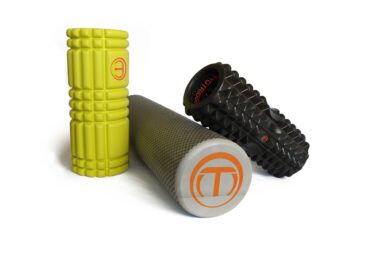
In addition to sleep aids, several specific recovery aids can significantly enhance muscle repair for marathon runners. Compression garments, for example, have gained popularity among athletes for their ability to reduce muscle soreness and accelerate recovery times. Wearing compression stockings or sleeves during and after training can enhance blood flow to crucial muscle groups. This promotes quicker healing, reducing post-run fatigue. Furthermore, foam rollers and massage balls are excellent tools for self-myofascial release. These tools enable athletes to target tight muscle areas and release tension, thus enhancing flexibility. Implementing regular foam rolling practice can also assist in breaking down lactic acid buildup during intense training sessions. Another essential recovery aid is proper nutrition. Consuming an adequate amount of protein post-workout is critical for muscle repair, along with carbohydrates for energy replenishment. Nutritional shakes with the right combination of macronutrients can further support recovery goals and help athletes maintain peak performance levels. Also, incorporating anti-inflammatory foods into daily meals can enhance recovery. Foods high in omega-3 fatty acids, like salmon, chia seeds, and walnuts, will significantly mitigate post-exercise inflammation.
Adding hydrotherapy to your recovery routine can also enhance muscle recovery. Alternating between hot and cold water can promote circulation and reduce muscle soreness. After an intense training session, many marathon athletes find relief by taking a hot bath followed by a cold shower or ice bath. This method can be tremendously soothing and result in faster recovery times. Moreover, proper hydration is essential for optimal recovery. Dehydration can lead to increased muscle cramping and fatigue, so it’s vital to drink enough fluids throughout the day. This is especially crucial during intense training phases. Many athletes utilize hydration solutions containing electrolytes to restore lost minerals. These solutions help prevent muscle cramps and aid in recovery after long runs. Similarly, seeking professional massage therapy can greatly enhance recovery. Regular sessions can help release tension accumulated during rigorous training, enhance blood circulation, and improve overall muscle recovery. As marathon training intensifies, seeking treatments that offer body alignment and relaxation will ensure optimal recovery. Acupuncture and physical therapy may be beneficial for those experiencing persistent aches, offering alternative approaches to maintaining a healthy body.
The Role of Nutrition in Recovery
Nutritional strategies play a significant role in optimizing recovery for marathon runners. Consuming a balanced diet rich in vitamins and minerals ensures that the body functions at its best and reacquires the nutrients lost during training. Foods that are high in antioxidants can minimize muscle oxidative stress. Berries, kale, and dark chocolate are excellent choices for these antioxidants. Furthermore, including complex carbohydrates aids in replenishing glycogen stores effectively. Foods such as whole grains, sweet potatoes, and brown rice are perfect examples. They not only replenish but also provide sustained energy levels. Another critical component is hydration which is vital for optimizing overall recovery. Adequate fluid intake supports metabolic functions and helps transport nutrients necessary for healing. Electrolyte-rich beverages can play a vital role in loosing running sessions. Post-run meals should include a mix of protein, healthy fats, and carbs to promote recovery. Additionally, healthy fats, such as avocados and nuts, can help fight inflammation. These components can build a robust recovery plan, setting the stage for strong performance during training and competition. Tracking nutrient intake can help athletes understand their needs better, thus improving recovery in the long run.
Lastly, mental strategies for recovery cannot be overlooked. Mental recovery is just as significant as physical recovery. Engaging in activities that promote relaxation, like yoga or mindfulness meditation, can benefit mental well-being. Mental clarity and focus are essential for maintaining peak performance levels. Additionally, restorative practices can help alleviate anxiety and promote a sense of calm, which in turn can enhance overall recovery. Athletes should explore different learning opportunities, whether through workshops or courses, to understand how to incorporate mindfulness techniques into their training. Visualization techniques can also play a role; imagining successful races can boost confidence and positively affect physical performance. Encouraging a positive mindset can drastically influence how athletes handle stressors associated with intense training or competition. Being able to switch off mentally can fast-track the recovery process, enabling athletes to remain sharp and engaged during practice sessions. To support overall recovery, integrating both mental and physical recovery methods will provide significant benefits. This holistic approach will ultimately promote longevity in marathon running and ensure ongoing improvement of performance.
Conclusion: Prioritizing Recovery for Marathon Success
In conclusion, marathon training demands a dedicated approach to both physical and mental recovery. A focus on sleep and recovery aids is essential for navigating the demanding nature of training. By incorporating sleep aids responsibly into a routine, runners can improve rest quality. d Moreover, exploring various recovery methods ranging from nutrition to advanced techniques can significantly impact performance. Ultimately, understanding the worth of both equipment and nutrients leads to greater success on race day. Implementing sound hydration practices, alongside dietary improvements, will also expedite the body’s repair processes associated with intense training. The journey to marathon success is intertwined with self-care practices that boost recovery and resilience. Marathon runners should approach their training from a holistic perspective, ensuring that they prioritize all aspects of recovery. Recovery is not merely an afterthought but an integral part of the training continuum. Emphasizing these aspects will certainly lead to improved running performance, reduced injury risk, and a greater overall running experience. Committing to this holistic recovery process creates a solid foundation for achieving goals, setting personal records, and thriving as a marathon athlete.
Each aid plays a role in supporting physical and mental health, which leads to greater longevity in the sport. Taking care of oneself goes beyond just physical training; it’s about managing recovery strategically and effectively.