
The Vital Role of Physical Therapists in Enhancing Senior Fitness
The role of physical therapists (PTs) is increasingly recognized in senior fitness, effectively improving health outcomes. Seniors face a myriad of health challenges, including osteoporosis and arthritis, leading to decreased mobility and fitness levels. Moreover, the involvement of PTs in customized fitness programs offers substantial benefits. They evaluate individual physical capabilities and limitations, allowing them to design personalized exercise routines. Such tailored approaches not only help in enhancing strength and flexibility but also promote balance and coordination, significantly reducing the risk of falls. PTs are essential in educating seniors on safe exercise practices and techniques, ensuring safety while promoting independence. Additionally, they monitor progress, making necessary adjustments to programs based on feedback and improving fitness regimens over time. Regular engagement with PTs fosters motivation and accountability, crucial in maintaining an active lifestyle. An increasing focus on holistic wellness further underscores the necessity of including physical therapists in senior fitness, addressing both physical and emotional health. As seniors aim to cultivate healthier lifestyles, the expertise of PTs is indispensable in achieving sustainable fitness goals.
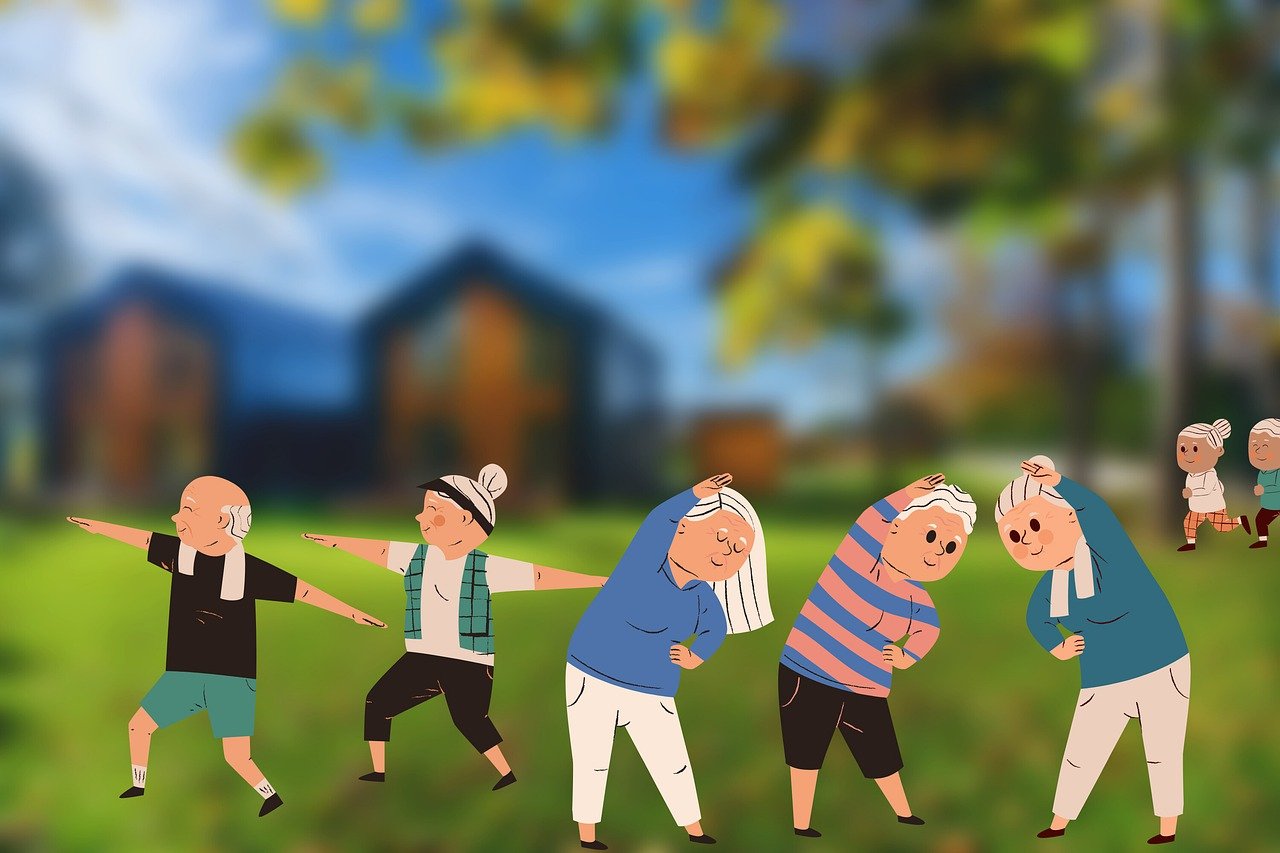
Seniors also experience unique psychological and social challenges that impact their physical fitness. Loneliness and isolation among seniors can hinder their motivation to engage in physical activities. This is where the intervention of physical therapists becomes crucial, as they do not only work on physical rehabilitation but also play a social role. PTs often lead group therapy sessions, encouraging seniors to connect and socialize through exercise. These group activities help in building community ties, thus enhancing mental well-being. Moreover, a sense of belonging fosters a positive attitude towards fitness goals. Physical therapists can design enjoyable group exercises that cater to varying fitness levels, making it accessible and fun. They help participants compete against their physical barriers while forming supportive relationships, which keeps them engaged longer. Educating groups about joint protection, proper body mechanics, and the importance of staying active fosters a culture of health among seniors. By transforming the exercise experience into a social engagement platform, physical therapists enable seniors to view fitness in a positive light. The holistic approach they employ facilitates not just fitness but also emotional resilience, vital for aging gracefully.
Assessment and Tailored Programs
A comprehensive assessment is paramount in determining the appropriate course of action in senior fitness. When seniors consult physical therapists, the initial visit usually revolves around evaluating their mobility, strength, and overall physical condition. This assessment allows PTs to identify any specific issues that may need to be addressed. Furthermore, they can understand the seniors’ personal fitness goals, preferences, and any previous injuries that might affect their routines. After the initial evaluation, PTs create tailored fitness plans that focus on the individual’s unique needs and abilities. By incorporating a variety of exercise modalities—such as strength training, aerobic activities, and flexibility exercises—PTs can ensure balanced development while preventing overuse injuries. Additionally, regular follow-up assessments are vital to adapt and modify the fitness programs as seniors progress. This individualized attention significantly enhances the fitness outcomes, leading to improved mobility, strength, and overall health. The personal engagement senior fitness receives through a therapist’s expertise ultimately translates into higher participation rates and more profound changes in health and fitness among the elderly populations.
Moreover, education regarding health conditions is an essential aspect of the physical therapy role in senior fitness. Many seniors are unaware of how certain health issues can affect their physical activity capabilities. Physical therapists provide education regarding risks associated with older age and guidance on how to manage these effectively. This includes understanding conditions such as hypertension, diabetes, and heart diseases. PTs help seniors appreciate the importance of regular physical activity in managing these conditions, thus promoting long-term health benefits. Additionally, they emphasize the role of exercise in maintaining weight, improving sleep quality, and enhancing mood, all of which contribute to a better quality of life. By empowering seniors with knowledge about their health and fitness, therapists encourage them to take an active role in their wellness journey. This proactive approach leads to better outcomes in maintaining fitness among seniors. Moreover, education helps diminish fears that may inhibit seniors from participating in physical activities due to concerns about injury or worsening their health conditions. Senior fitness becomes an informed choice rather than a daunting task with the support provided by physical therapists.
Preventing Falls and Injuries
One of the pressing concerns for seniors is the risk of falls, which can have severe consequences, including fractures and loss of independence. Physical therapists are crucial in developing strategies to prevent falls through exercise. They design programs that focus on balance and coordination, essential components for reducing fall risk. These programs may incorporate exercises targeting proprioception, strength training, and flexibility. For instance, activities like Tai Chi, yoga, or strength training with resistance bands can greatly enhance stability. Furthermore, PTs educate seniors about environmental factors contributing to falls, such as home safety assessments. By identifying areas that need modification, such as adequate lighting, removing tripping hazards, and using assistive devices, therapists can significantly reduce the fall risk. Additionally, instruction on safe body mechanics when getting up from a seated position or navigating stairs greatly minimizes injury chances. The knowledge imparted extends beyond just exercise; it equips seniors with practical skills that contribute to their overall safety while engaging in daily activities. In this manner, physical therapists foster an environment where seniors feel secure and confident in their physical abilities.
Another significant contribution of physical therapists in senior fitness is rehabilitation after injury or surgery. Seniors often require specialized rehabilitation services to recover properly. After injuries, such as falls or surgical procedures like hip replacements, tailored rehabilitation programs are necessary to regain strength and mobility. PTs develop structured rehabilitation plans that focus on gradual progression and range of motion. These programs emphasize early mobility and the importance of adhering to prescribed exercises. Throughout this process, physical therapists monitor pain levels to ensure that activities remain within manageable limits. By focusing on restoring function and offering motivational support, PTs help seniors overcome physical and psychological hurdles during recovery. The expertise that physical therapists provide not only aids in healing but also strengthens seniors’ confidence in their recovery journey. Additionally, they equip seniors with strategies to manage pain and prevent future injuries through strength training. By ensuring seniors are well-prepared for the activities they enjoy, PTs empower them to embrace fitness as a lifelong commitment. The journey of recovery ultimately transforms into an opportunity to enhance overall health and longevity.
Long-term Wellness and Prevention
In the broader context of senior wellness, physical therapists play a pivotal role in promoting proactive health strategies. Beyond rehabilitation, their involvement extends to educating seniors on the benefits of consistent physical activity in enhancing overall health. This proactive approach emphasizes the importance of developing a sustainable exercise routine that lasts through the aging process. By encouraging seniors to view fitness as an essential and enjoyable part of their daily lives, PTs help incorporate physical activity into their everyday routines. Strategies to integrate exercises into daily activities, such as walking or gardening, can make staying active seamless for seniors. This fosters an environment where exercise is no longer viewed as a chore but as a fun and fulfilling habit. Physical therapists also guide seniors on nutrition, emphasizing the correlation between a balanced diet and physical health. Addressing various lifestyle factors, such as sleep quality and stress management, further underscores holistic wellness. The collaborative efforts between physical therapists and seniors lead to healthier lifestyles, ultimately contributing to improved longevity and vitality. A committed focus on long-term health ensures seniors can maintain independence and enjoy their golden years fully.
In conclusion, the role of physical therapists in enhancing senior fitness cannot be overstated. From providing tailored exercise programs to ensuring safety and fall prevention, their contributions are invaluable in promoting senior health. By addressing both the physical and psychological aspects of fitness, PTs encourage seniors to lead fulfilling lives. Education, rehabilitation, and motivation remain at the core of their practice, enabling seniors to overcome obstacles and achieve self-sufficiency. The societal shift towards valuing active aging aligns seamlessly with the intervention strategies offered by physical therapists. As awareness regarding the important role of fitness in elderly life grows, the healthcare community is increasingly recognizing PTs’ essential presence. Future initiatives should strengthen collaborations with PTs to create more opportunities for seniors to engage in physical activity. Through these collective efforts, a more active, healthier, and happier elderly population can be achieved. Ultimately, the expertise of physical therapists is vital in ensuring seniors thrive and enjoy healthier lives. As we continue to promote fitness and an active lifestyle among seniors, we lay the groundwork for enhanced quality of life, independence, and resilience during a pivotal time of life.