
The Benefits of Daily Home Exercise for Kids
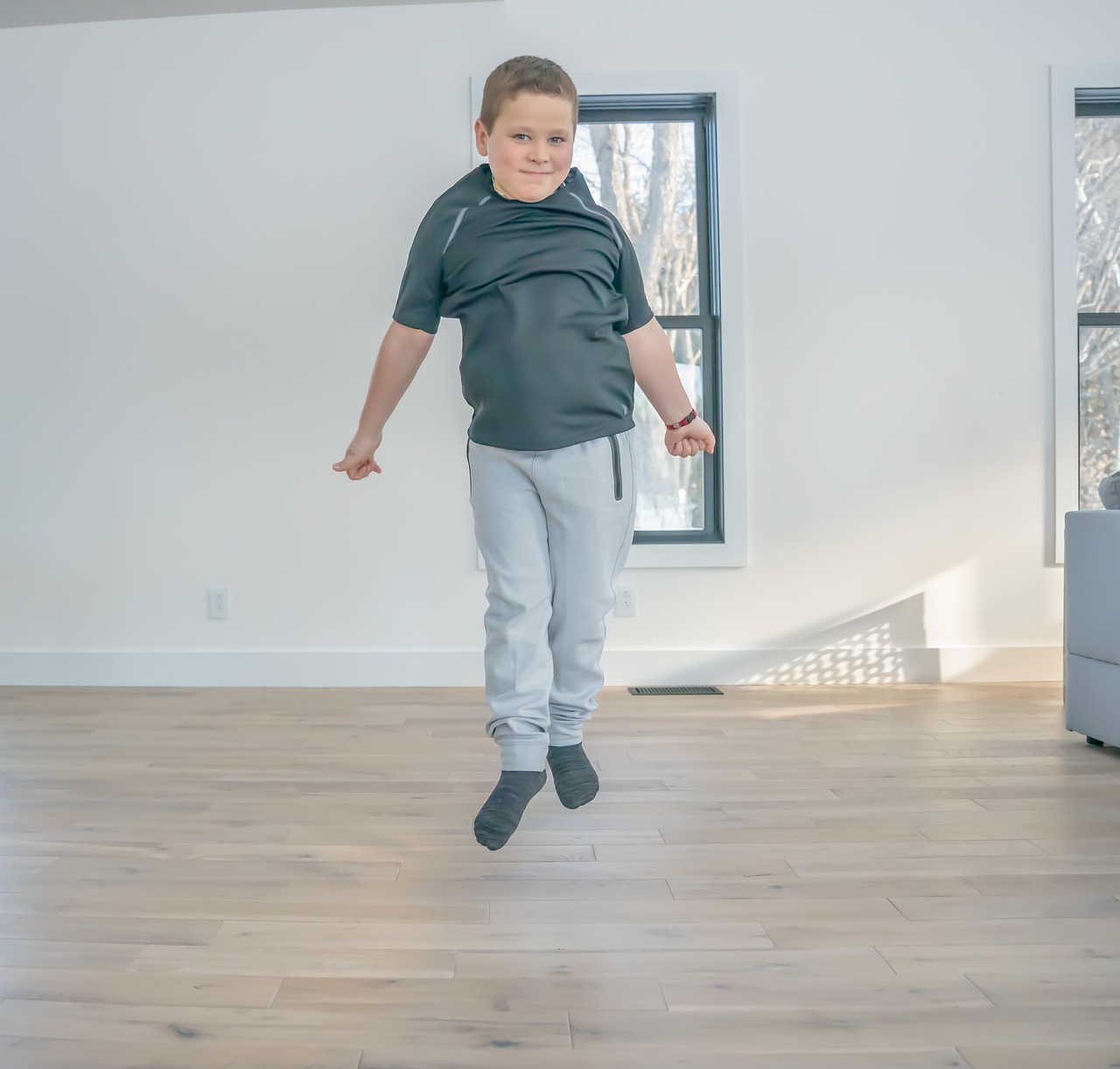
Engaging in daily home workouts provides numerous advantages for kids, helping them to embody a lifestyle filled with health and vitality. Primarily, physical activity is vital for their growth and development. Children who exercise regularly tend to build stronger muscles and bones, which is crucial during their formative years. Furthermore, these workouts help improve coordination and balance, skills essential for other sports and recreational activities they may pursue. Beyond physical fitness, daily exercise also enhances children’s mood and emotional well-being. When kids participate in physical activities, their bodies release endorphins, which can decrease feelings of stress and anxiety. Additionally, making exercise a routine can also nurture discipline and commitment, as children learn to make time for their workouts, thus developing a better sense of responsibility. Parents can make this experience even more enjoyable by incorporating fun elements into the routines. Using music, games, or challenging aspect can keep children engaged and excited about their workout. This holistic approach lays down a strong foundation for lifelong fitness habits, ensuring that active lifestyle is incorporated into their daily routines for the long run.
Creating an environment that promotes exercise is essential, especially for young children who might be influenced by their surroundings. Establishing a dedicated space at home for workouts can significantly enhance their motivation to be active. Having a specific area for exercise, equipped with basic equipment, can encourage them to adopt healthier habits. This space doesn’t need to be vast; even a small corner with some mats, light weights, and resistance bands can serve the purpose. Moreover, involving the entire family in home workouts can foster a sense of unity and teamwork. Family exercise sessions can make workouts feel less like chores and more like fun gatherings. It makes the experience enjoyable, precious bonding moments for everyone. Group activities, whether yoga, dance, or body-weight workouts, can cater to all family members. This collective approach also teaches children the importance of social engagement while being active. Additionally, being surrounded by family during workouts can help children keep pace and stay invested. Parents should lead by example, showcasing their commitment to fitness. Kids are more likely to imitate a parent’s enthusiasm towards exercise when they see the adults they look up to prioritizing their health.
Enhancing Cognitive Functioning
Daily exercise significantly contributes to enhancing cognitive function in children. Engaging in physical activity boosts blood flow to the brain, which increases the delivery of oxygen and nutrients essential for optimal brain function. Consequently, regular exercise can lead to improved concentration, memory, and overall cognitive abilities. Research has shown that children who participate in physical activity tend to perform better academically. This is crucial during their formative educational years, where foundational learning occurs. Moreover, exercise positively impacts children’s mood and stress levels, further facilitating an environment conducive to learning. It lowers symptoms of anxiety and depression while promoting a sense of well-being, allowing children to focus better on their schoolwork. Additionally, exercise can enhance creativity and problem-solving skills, as kids are often encouraged to think critically during various physical activities. Programs that integrate physical movement with learning can maximize productivity. Kids can absorb information and engage in lessons that culminate in increased retention. Thus, pairing academic learning with regular exercise routines can create synergy beneficial to their overall development. Making time for exercise becomes immensely valuable because it influences and shapes their future, encompassing both physical and intellectual growth in a holistic manner.
An exciting way to keep children motivated with home workouts is to incorporate technology into their routines. There are plenty of apps and online platforms offering structured workout regimes tailored for young audiences. Integrating these tools can elevate their experience by making exercise more interactive and engaging. Many resources include gamified elements where children earn rewards or points for completing certain tasks, which can fuel their enthusiasm towards achieving their fitness goals. Parents should explore these options, but it is essential to ensure that the content is age-appropriate. This will help keep their practice aligned with safety standards while also being enjoyable. Additionally, families can create a schedule that allows kids to try various workouts, ranging from dance to martial arts, to find what interests them the most. Displaying rewards, such as stickers or progress charts, can provide visual feedback on their progress, encouraging them to stay committed. Ultimately, diversifying workouts can ensure children remain engaged, excited, and committed, cultivating healthier habits that carry through their adolescent years and into adulthood, leading to a lifetime of wellness as they grow.
Building Social Skills Through Exercise
Participating in home workouts can also be instrumental in developing critical social skills in children. Engaging with siblings or friends during exercise fosters teamwork and collaboration, essential abilities that will benefit them throughout their lives. Home workouts can transform into group activities, where kids can take turns leading workouts or working together on challenges. Moreover, these shared experiences can help children improve their communication skills as they express ideas about workouts or encourage each other during challenging activities. Children learn valuable lessons about supporting and cooperating with others when engaging in group exercises, which can translate into their everyday interactions outside of the workout space. Emphasizing shared goals during workouts enhances their understanding of synergy and collective effort. Moreover, exercising with peers can create a sense of community, promoting social connections that are essential during their developmental years. As they experience these social interactions, children become more adaptable, compassionate, and empathetic towards others. Ultimately, investing time in exercise also means investing in their social development, making their workout time equally advantageous to their physical fitness, consequently helping cultivate well-rounded individuals.
Alongside the immediate benefits associated with physical activities, establishing a routine for home workouts can imbed long-lasting health benefits. Children who engage regularly with physical activity tend to adopt healthier lifestyles, leading to lower levels of obesity and chronic health issues as they age. Instilling these habits from an early age can significantly affect their understanding of nutrition and health issues in the long run. With the right education around fitness and health, children learn to make healthier choices, from snacks to meal planning. Discussing the importance of maintaining balance between exercise and nutrition can maximize their overall outcomes. Scheduling regular workout routines can create a healthier, active lifestyle, essential for their holistic development. Regular exercise is also known to improve sleep quality, helping children to recharge adequately after engaging in physical activity. When they combine exercise with proper nutrition, it fosters stronger immunity and protects against common illnesses. Parents should openly communicate with their kids about the importance of maintaining fitness and health; explaining the physical and mental benefits creates enduring knowledge. Ultimately, kids who see fitness as integral to their daily lives can flourish healthily as adults.
Final Thoughts on Home Workouts for Kids
In summary, daily home workouts offer myriad benefits for children, encompassing physical, emotional, and cognitive dimensions. Providing kids with a structured yet enjoyable approach to fitness establishes routines that will set the tone for their overall health. The embrace of physical activity within the home can build strong foundations for individuals who prioritize wellness into their adulthood. Moreover, by making exercise a family affair, parents inadvertently strengthen familial bonds, unifying everyone around the common cause of fitness. Encouraging kids to embrace their favorite activities ensures that they remain invested in their workouts while learning essential life skills and enjoying their time. With consistent encouragement and support, they are likely to flourish during their developmental years. Parents need to monitor their children while offering guidance about the importance of health and nutrition. Strategies implemented today can transform kids into more active, health-conscious individuals in the future. Therefore, investing in home workouts is not merely about creating time for exercise; it’s about nurturing a generation that values health, fitness, and community, leading to enriched lives that radiate positivity and well-being.