
Tracking Calories Burned in Dance Fitness Activities
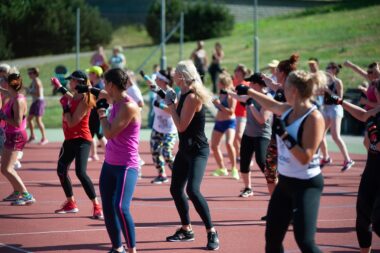
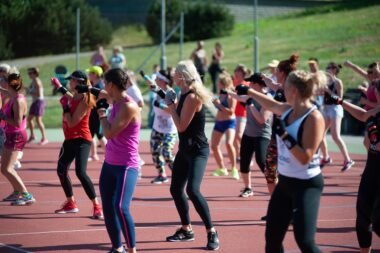
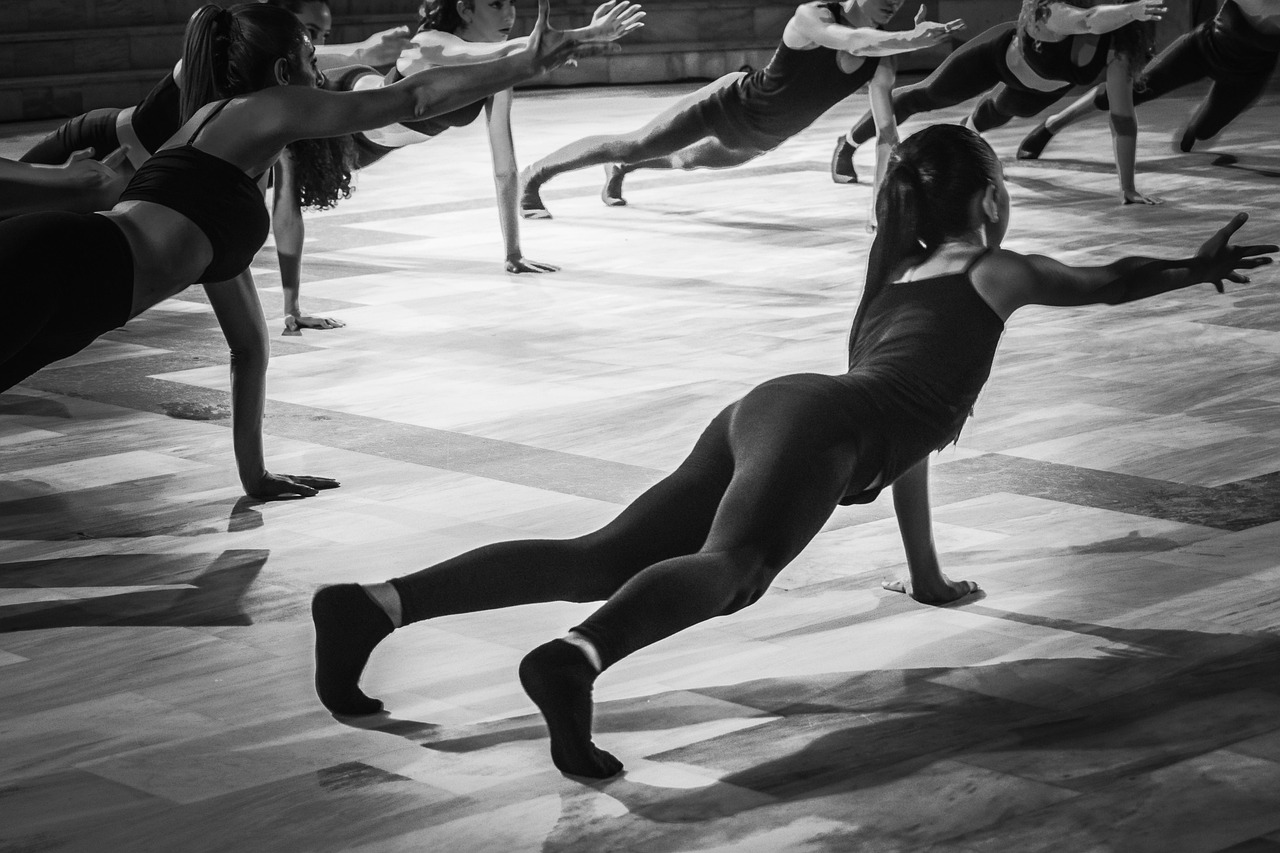
Engaging in dance fitness activities is not only a fun way to exercise, but it also plays a significant role in calorie burning. Whether you’re dancing in a group class or at home, tracking the calories you burn is essential for managing your fitness goals. One effective method for monitoring your calorie expenditure is by using wearable fitness trackers. These devices often come with heart rate monitors that can provide accurate feedback on your activity. However, it is vital to understand how factors like intensity, duration, and individual metabolic rates affect these numbers. Additionally, some popular dance fitness formats, such as Zumba or hip-hop dance, can have varying energy outputs. To maximize your calorie burn, ensure you keep your energy levels high and incorporate various dance styles. Remember to stay hydrated and listen to your body. You want to ensure you’re maintaining a balance between effort and enjoyment to sustain your dance fitness journey long-term.
Another great approach to tracking calories burned is to utilize smartphone applications. Many fitness apps specifically cater to dance workouts by providing a database of different dance styles. These apps often allow users to select their chosen workout while logging details such as the duration. Using such applications gives users a better understanding of their energy expenditure. For optimal results, choose an app with personalized tracking, as individual performance can significantly differ among dancers. You can utilize your phone’s GPS features to track outdoor dance sessions or combine workouts with other activities. For effective tracking, it’s essential to input relevant data consistently. Bear in mind that general estimates can aid your goals but may not be 100% accurate. Combine these numbers with practical insights into your physical performance for a more comprehensive perspective. Moreover, dance fitness should remain enjoyable; celebrate your rhythmic progress while being mindful of your caloric goals.
Estimation Techniques for Caloric Burn
To estimate calories burned in dance fitness activities, understanding metabolic equivalents (METs) is crucial. Different dance styles have varying MET values, which represent the energy cost of physical activities. For instance, vigorous dance styles, like hip-hop or salsa, can have MET values between 7-9, indicating higher energy expenditure. Conversely, lower-intensity types, like waltz or ballet, might range from 3-5 METs. You can use this MET information to calculate calories burned during a workout effectively. The formula for this calculation is simple: calories burned = MET value × weight in kg × duration in hours. Therefore, if someone weighing 70 kg dances hip-hop for one hour, they would burn approximately 630 calories. This provides a better approximation of your workouts, which can help you learn how much energy you’re expending. Awareness of types of dance and comparing MET values empowers individuals to choose classes that align with their fitness goals.
In addition to estimating calories burned, it is important to pay attention to your eating habits post-workout. Consuming balanced meals and snacks that replenish essential nutrients can help support your fitness journey. Foods high in protein and healthy fats can aid muscle recovery, while carbohydrates can restore energy levels. Tracking daily caloric intake alongside calories burned is beneficial for understanding your body’s needs. As you engage in dance fitness, focus on quality nutrition to complement your workouts. Utilizing macronutrient tracking apps can be especially helpful. They not only allow you to log your meals but also help track your dance workouts. This holistic approach fosters a healthier lifestyle, ensuring you have enough fuel for your dance sessions. Combine this with adequate hydration and rest for optimal recovery. Furthermore, maintaining a balanced approach to your dance fitness journey can prevent fatigue and burnout. Always consult professionals for tailored advice to optimize your nutritional intake based on your specific goals.
Setting Realistic Goals
When participating in dance fitness activities, setting realistic and achievable goals is vital for long-term success. Goals should align with your current fitness level, personal preferences, and desired outcomes. Consider breaking down overall fitness into smaller milestones. For instance, aim to increase the duration of your dance sessions or vary styles throughout the week. Additionally, think about incorporating group classes for extra motivation and accountability. As you achieve these mini-goals, document your progress, which can keep you motivated while providing insight into your calorie-burning journey. You can create a fitness journal to track your exercise routine and caloric intake. Reflecting on your achievements helps establish and maintain a rhythm in your dance journey. Secondly, remember to celebrate milestones, as this can enhance your overall experience and enjoyment. Rewards could be new dance gear, treats, or even after-class outings with friends. Creating a supportive environment enriches your dance fitness routine while fostering positive relationships. Avoid being too strict on yourself, as enjoying your dance experiences keeps you motivated.
Another aspect to consider while tracking calories burned is recognizing the importance of rest days. Allowing your body to recover is just as crucial as the workouts you perform. Overtraining can lead to fatigue, injuries, or burnout, which can disrupt your fitness journey. Hence, scheduling regular rest days into your weekly routine fosters both mental and physical recovery. On rest days, you might still engage in low-impact activities, such as stretching or gentle walking, to keep your body moving and maintain flexibility. It’s essential to listen to your body’s signals; adjust your workouts based on fatigue levels and recovery needs. By doing so, you will be more likely to maintain an enjoyable dance fitness routine long-term. In addition, incorporating restorative practices, such as yoga or meditation, can complement recovery. These practices improve flexibility, enhance mental focus, and support overall wellbeing. Adopting a well-rounded approach to fitness ensures that your dance fitness activities are sustainable, enjoyable, and beneficial for your overall health.
Conclusion
In conclusion, tracking calories burned in dance fitness activities offers incredible benefits for achieving your fitness objectives. From using wearable technology to smartphone applications, numerous tools can help provide insight to optimize performance. Understanding METs can further guide estimations, ensuring you have realistic expectations of calorie expenditures. Committing to balanced nutrition and setting achievable goals strengthens your dance fitness journey as well. Remember to honor your body with rest and recovery, as it plays a vital role in your ongoing success. Striking a balance between effort and enjoyment ensures the sustainability of your activities over time. Lastly, participate in a supportive community or encourage friends to join, as having a partner can enhance motivation and accountability. The joy of dance, paired with consistent calorie tracking, can foster a vibrant approach to fitness. Ultimately, embracing the fun aspect while being mindful of fitness goals creates a rewarding dance fitness experience. So lace up your dancing shoes, and start your journey to fun, fitness, and better health!
Implementing these strategies can help you manage your exercise regimen effectively and ensure meaningful progress towards your objectives.